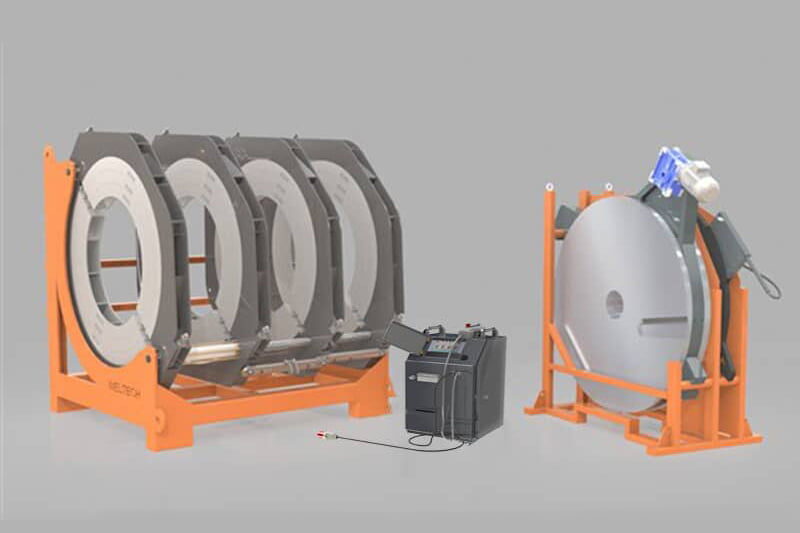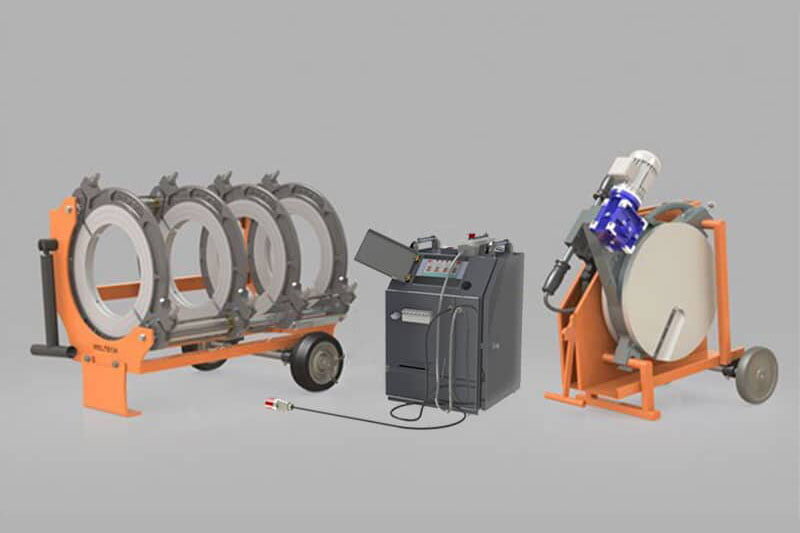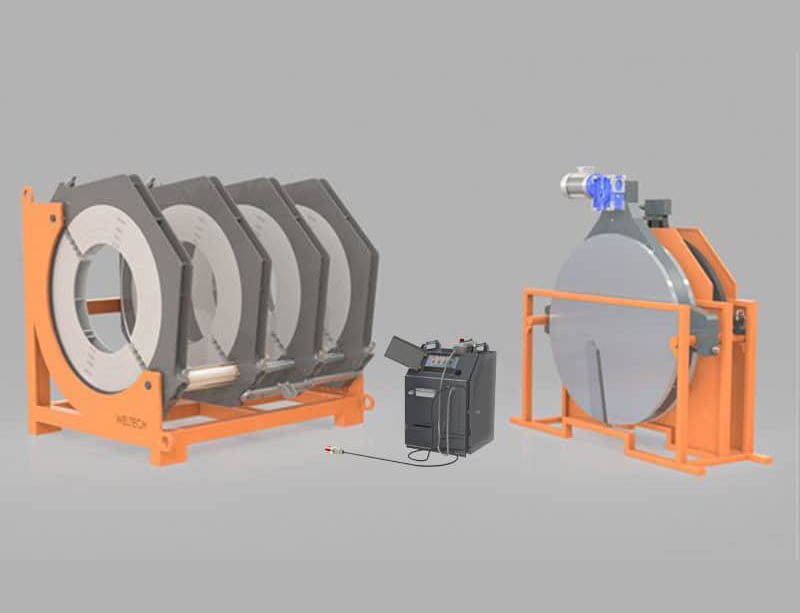
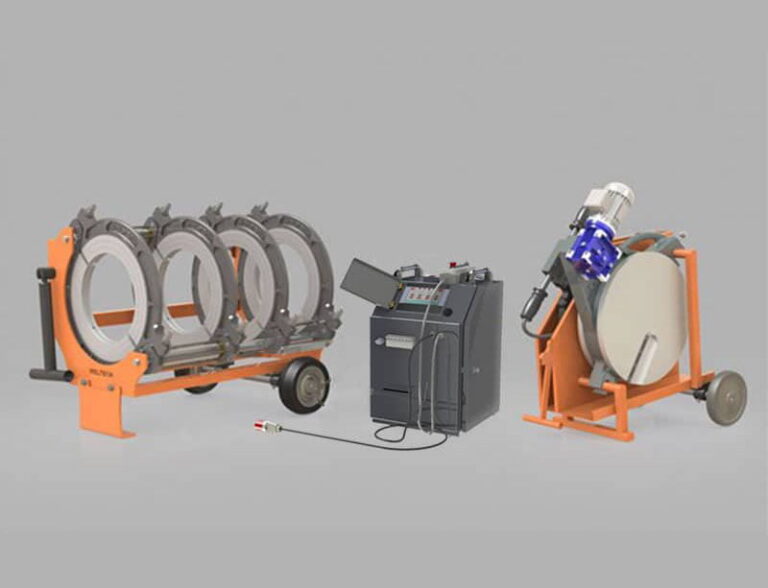
A , an HDPE butt welding machine, when used correctly, can form the strongest link in the pipeline; when applied incorrectly, it can turn into a connection point that appears flawless on the surface but causes disappointment in the field. This guide aims to convey the fundamental principles to be observed at every stage of the process, from before welding until cooling is complete.
Preparation: The Foundation of a Successful Weld
One of the factors that most affects weld quality is the meticulousness of the preparation done before the process. Pipe ends must be clean, dry, and free of grease. Any contamination compromises surface contact quality, jeopardizing weld integrity.
- Pipe ends must be cut at a perfectly perpendicular angle with an approved cutter.
- Facing is performed to remove surface roughness and to achieve the flatness that allows the two pipe ends to make full contact with each other.
- After facing is complete, pipe ends should not be touched by hand; surface contamination requiring re-facing before welding causes a loss of time even if necessary.
- The working environment must be in suitable conditions in terms of wind, dust, and humidity. In unfavorable weather conditions, the use of a protective tent or barrier is recommended.
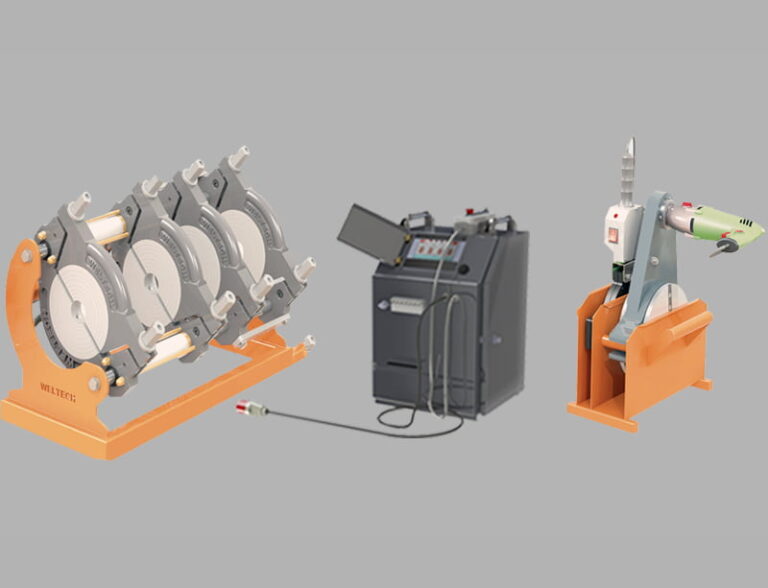
Alignment and Fixing
After the pipe ends are placed in the welding machine, the axial alignment must be checked. Axis misalignment leads to one-sided pressure distribution in the weld and the formation of a weak zone. Fortiweld’s hydraulic butt welding machines, includes mechanical mechanisms designed for pipe alignment and fixing.
Alignment control should be carried out not only visually but also by making use of the measurement references on the machine. Since alignment errors produce more pronounced results in large-diameter pipes, due care should be taken at this stage.
Heating Phase: Control Is the Heart of Welding
This phase, which begins when the heating plate contacts the pipe ends, is the most critical part of the welding method. Plate temperature, contact time, and applied initial pressure vary depending on the pipe material used, wall thickness, and ambient temperature. All of these values must be determined within the framework of the relevant application standards and the machine manufacturer's technical manual; they should never be attempted to be determined by guesswork or intuition.
Once the heating period is complete, a certain melt bead is expected to form at the pipe ends. The height and shape of the bead can be evaluated as one of the visual indicators of adequate heating; however, this assessment should be performed by experienced operators.
The Difference of CNC Control
While in standard hydraulic models the heating time and pressure are monitored by the operator, in CNC hydraulic butt fusion machines these parameters are managed automatically by the system, and the data for each welding operation is recorded. Especially in projects requiring quality certification, this feature provides a decisive advantage in terms of both reliability and traceability.
Plate Removal and Joining
Once heating is complete, the heating plate must be removed quickly and the pipe ends must be joined with the specified fusion pressure. The interval between plate withdrawal and joining of the pipe ends is a critical parameter; exceeding this time may cause the surface temperature to drop and result in inadequate fusion.
The fusion pressure shapes the resulting melt bead, ensuring a homogeneous structure of the weld cross-section. At this stage, the hydraulic system of the machine must apply the specified pressure in a steady and consistent manner.
Cooling: Impatience Is the Greatest Risk Factor
The weld zone must be kept under the applied pressure throughout the process and left to cool. Releasing the pressure or moving the pipe before the cooling period is complete may permanently compromise the integrity of the weld.
The cooling time varies depending on diameter, wall thickness, and ambient temperature. This duration should follow the reference values specified in the technical manual, and these values should be reassessed especially under low or high ambient temperatures. Exact durations are provided in the product's technical documentation; it is recommended that the operator brings these documents to the site.
Checking Weld Quality
After the process is completed, visual inspection, bead geometry, and signs of deformation in the weld zone can be evaluated as the initial quality indicators. When required by the standards, samples may be taken from the weld zone to verify joint quality through destructive or non-destructive testing methods.
- Irregular or one-sided bead formation may indicate an alignment issue.
- Low bead height may be an indication of insufficient heating time.
- If cracks or porosity are observed in the weld zone, the relevant weld must be rejected and the issue resolved.
The Effect of Maintenance and Calibration on Weld Quality
No matter how high-quality an HDPE butt fusion machine is manufactured, reliable long-term performance cannot be expected without regular maintenance and periodic calibration. The surface condition of the heating plate, the pressure consistency of the hydraulic system, and the precision of the clamp assembly may change over time. Therefore, having the machine inspected at authorized service points at regular intervals and performing a short functional test before going on-site should be part of good operational practices.
On the other hand, damaged or worn planer blades may cause surface roughness, while a contaminated heating plate surface may lead to material sticking to the pipe and uneven heating. Timely replacement of such accessories plays a critical role in maintaining welding quality.
Frequently Asked Questions
Must pipe ends always be faced before the welding process?
Yes. Planing eliminates surface roughness, ensuring full contact between the two pipe ends. If this step is skipped, gaps may form on the weld surface, reducing joint strength.
Can the pipe be cooled with cold water to shorten the cooling time?
No. Forced cooling may cause internal stresses and structural damage in the weld zone. Cooling should be allowed to occur naturally for the duration specified in the technical manual.
Does windy weather cause problems during welding?
Yes. Wind and low ambient temperatures can affect the surface temperature of the heating plate. If working under such conditions, protective measures should be taken and the parameters should be reassessed.
Can the same welding parameters be used for every diameter?
No. Heating time, fusion pressure, and cooling time vary depending on the pipe diameter and wall thickness. The values to be used should be taken from the machine's technical manual and the relevant application standards.
Can records made with a CNC butt welding machine be added to project documents?
Yes. CNC models digitally record the parameters and process data of each welding operation. These records can be included in quality control documents and tender files.
Technical Support and Machine Selection
At every stage of the HDPE pipe joining process, machine performance, operator experience, and environmental conditions must be evaluated as a whole. You can contact the Fortiweld technical team to select the right machine for your project's diameter range and quality requirements.
For detailed information about welding parameters, operator training, and machine technical specifications, or to request a quote our contact page visit.