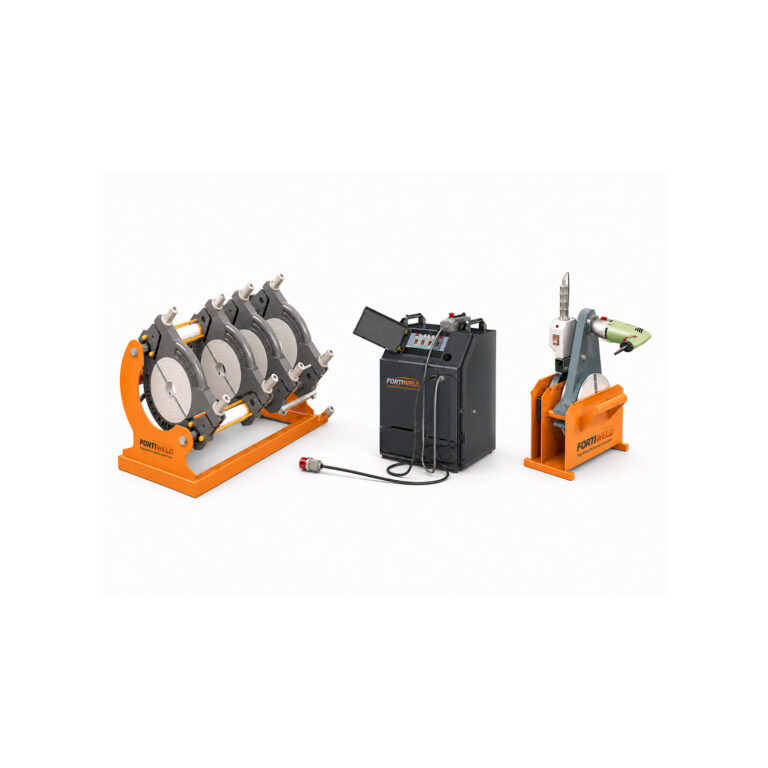
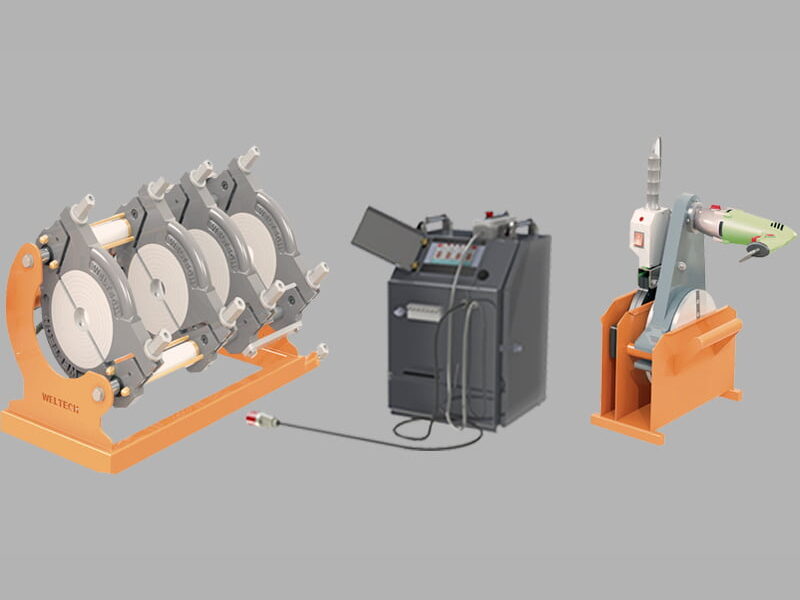
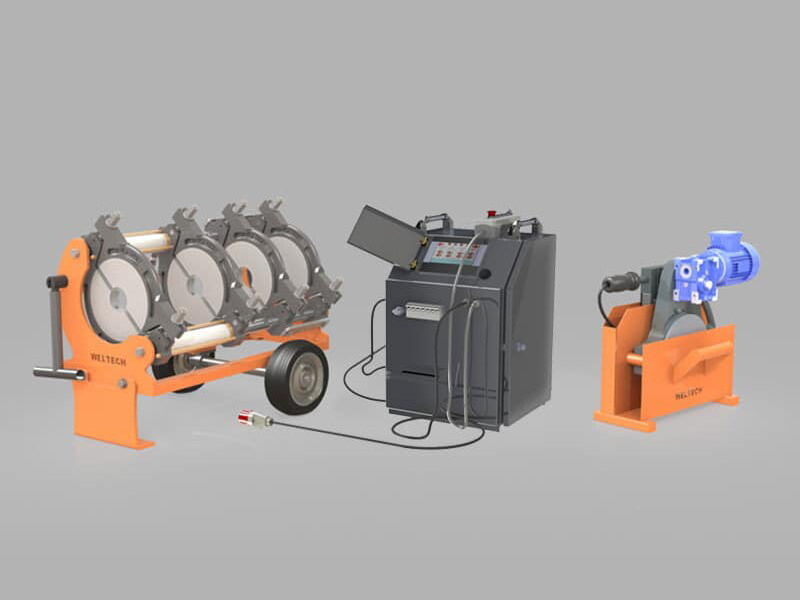
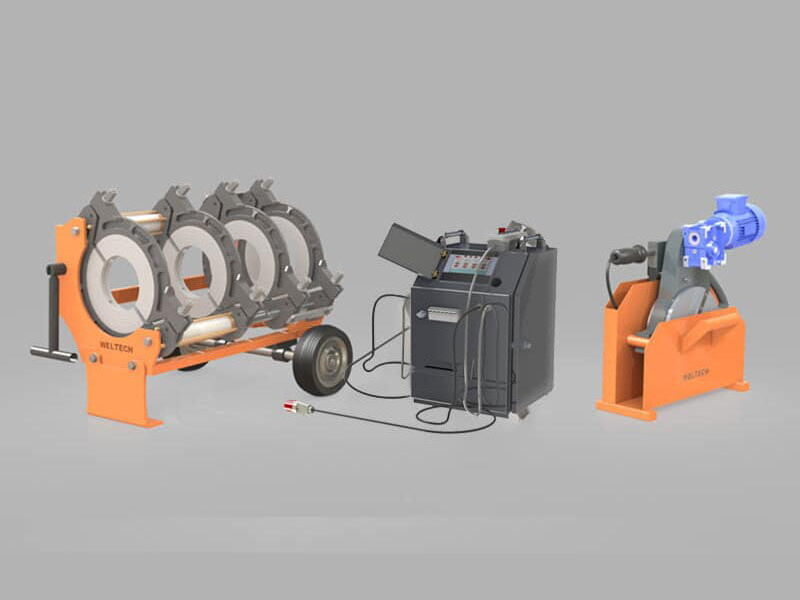
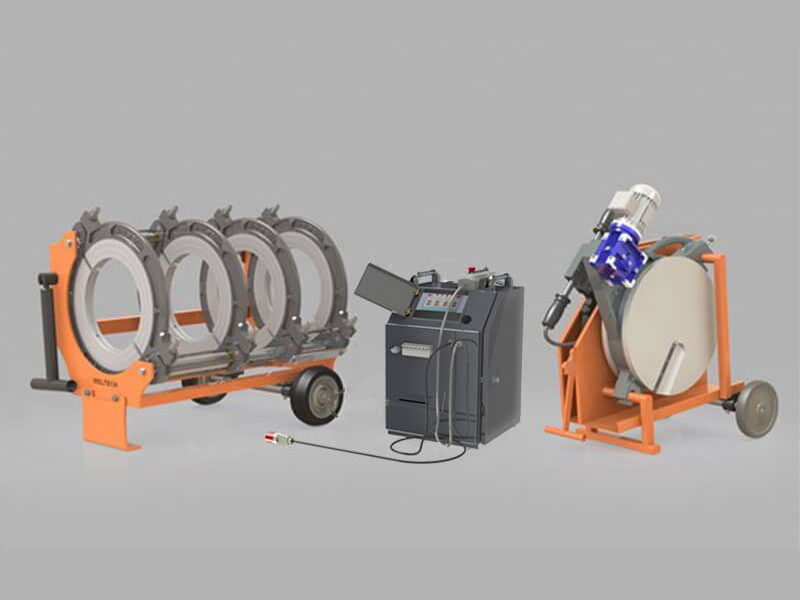
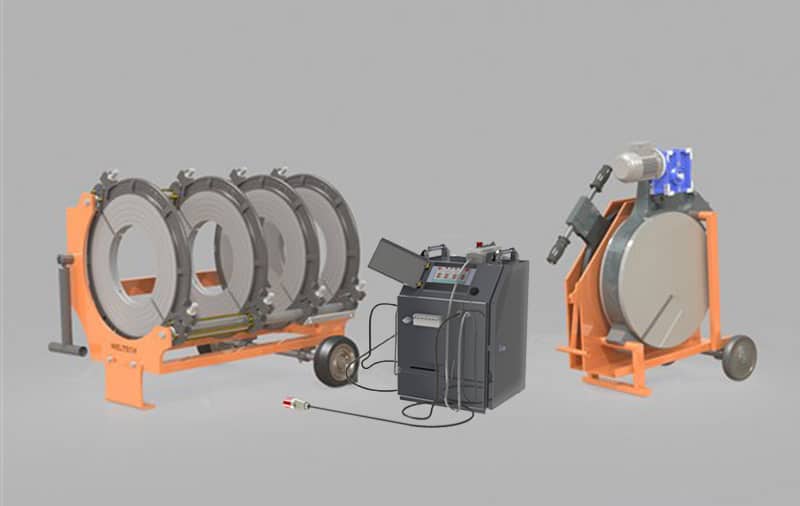
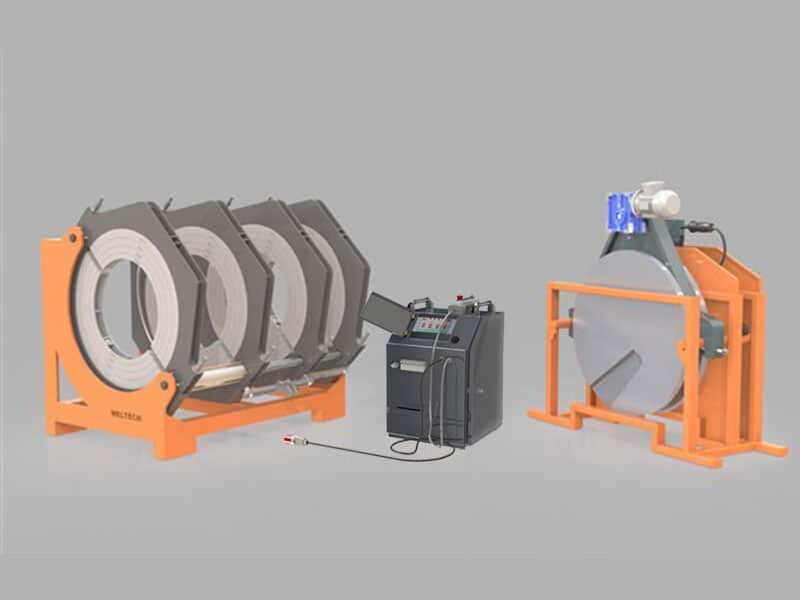
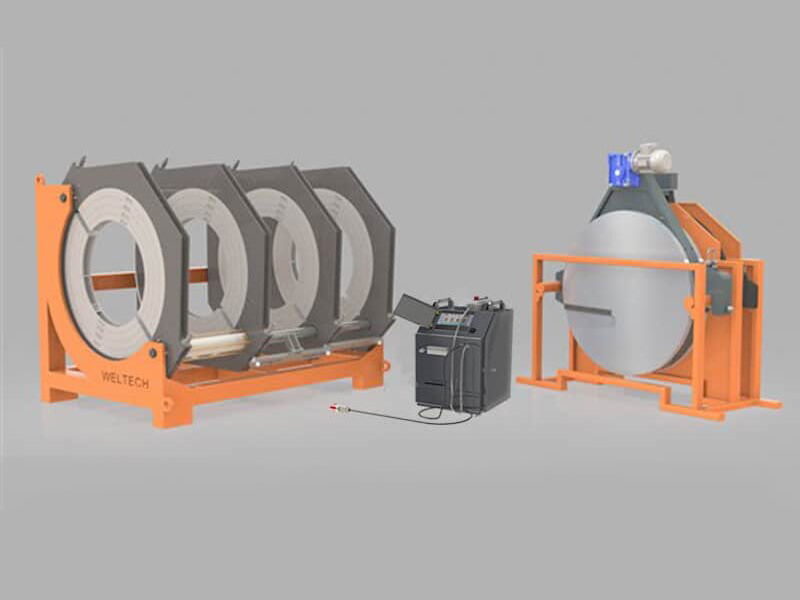
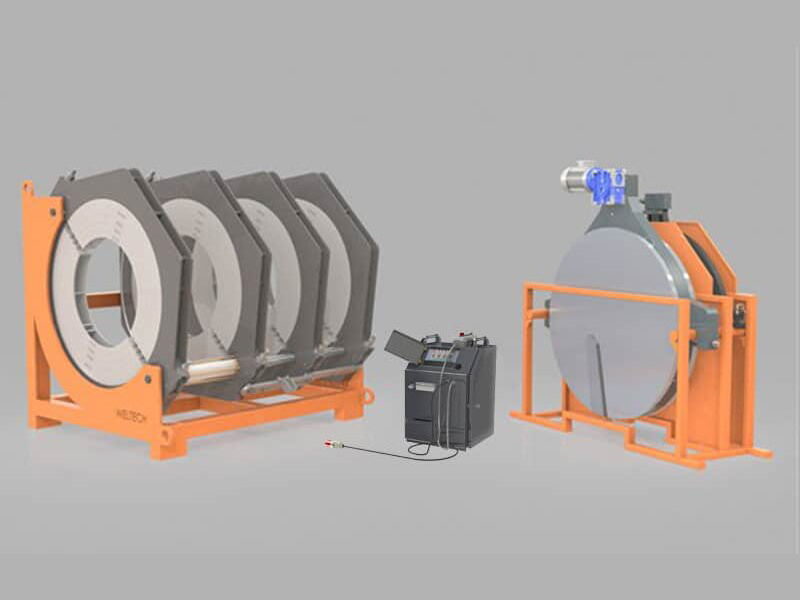
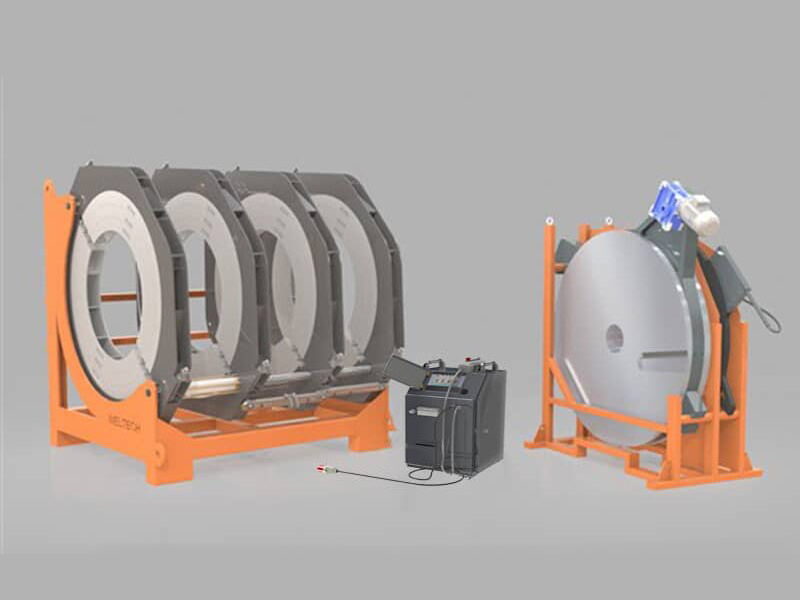
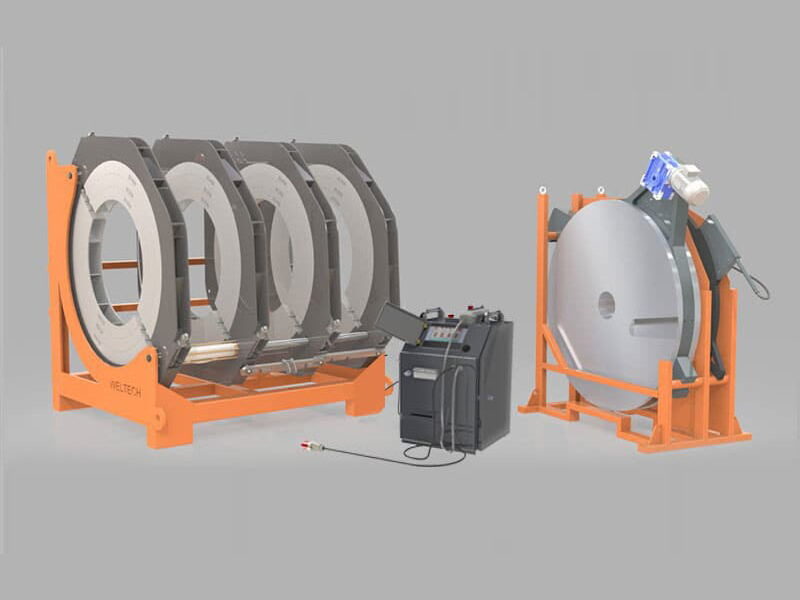
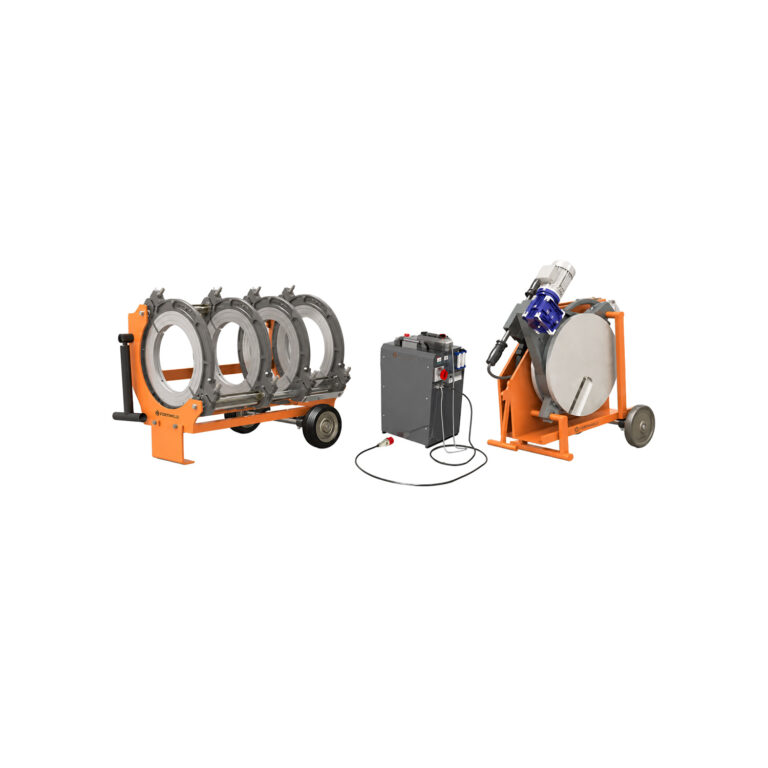
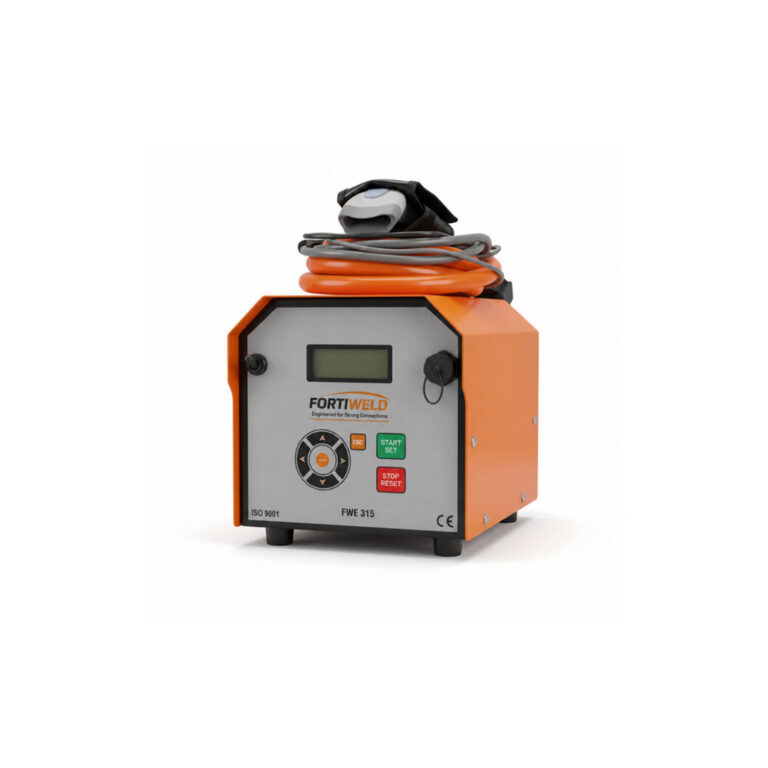
CNC hydraulic butt fusion welding machines are computer controlled welding systems developed for permanent end-to-end joining of high-density polyethylene (HDPE) and similar thermoplastic pipes. The Fortiweld CNC series is equipped with an electronic control unit that automatically manages all stages of the butt fusion process. This minimizes operator error, ensures repeatable weld quality, and makes results documentable. In projects such as infrastructure, natural gas, water transmission lines and industrial pipe systems where longevity and leaktightness are expected, this automation provides a decisive advantage.
How Does CNC Butt Fusion Welding Work?
The basic principle of butt fusion is melting the ends of two pipes to be joined with the aid of a heating plate and then fusing them together by applying controlled pressure. In CNC controlled machines, this process is divided into separate phases: planing surfaces with a milling tool, heating plate contact time, heating, plate withdrawal, and application of joining pressure. Fortiweld CNC machines manage these phases automatically; pressure and time parameters are monitored electronically. When an operator enters information such as pipe diameter and wall thickness, the system calculates appropriate values. This automatic phase management both reduces workmanship errors and ensures quality consistency between different operators.
Traceability and Weld Report
One of the strongest features of the CNC series is traceability. At the end of each welding operation, the machine can generate a weld report containing applied pressure, time, environmental conditions and operator information. These reports are used as documentation in quality inspections and project handovers. Particularly in public infrastructure projects and international contracts, recording each connection has increasingly become a standard requirement. Fortiweld CNC machines are designed to meet this traceability need; reporting and data transfer details are specified on the relevant product page.
Model Range
Fortiweld CNC hydraulic butt fusion welding machines are offered in different models covering a wide range of applications from small diameter pipes to very large diameter industrial lines:
- CNC W160, W250, W315 — compact solutions for small and medium diameter pipes; portability within the construction site is paramount.
- CNC W400 and W400M (single-phase) — medium diameter range; W400M with single-phase power supply option offers generator and mains flexibility.
- CNC W500, W630, W800 — high-capacity models for medium-to-large diameter water and gas pipelines.
- CNC W1000, W1200, W1600, W2000 — upper segment machines designed for very large diameter industrial and infrastructure projects.
All models belong to the Plastic Pipe Hydraulic Butt Welding Machine family and provide precise pressure control with a hydraulic press system. The model number is related to the approximate pipe diameter range that the machine can work with; the exact working range is specified in the technical sheet of each product.
How Should You Choose the Right Model?
When selecting the right machine, you should first determine the diameter and wall thickness range of the pipes you will be working with. If the diameters you most frequently encounter on site fall within the capacity of a particular model, it is correct to base your choice on that model. The type of power supply is also important; in areas where mains electricity is limited, the single-phase option (W400M) facilitates working with a generator. In addition, transportation conditions, crew size and your reporting needs also affect the selection. If you are unsure which model is most suitable for your project, you can consult with the Fortiweld technical team to obtain an assessment tailored to your needs.
Maintenance and Usage Tips
Regular maintenance of the machine is critical for continuous weld quality. Generally, the following points should be observed:
- Keeping the heater plate surface clean and scratch-free; proper cleaning of residues before each weld.
- Periodic checking of hydraulic unit oil level and leakage.
- Maintaining the sharpness of milling blades; dull blades do not produce a smooth surface.
- Protection of electronic control unit from moisture and impact, regular inspection of cables.
These simple measures both extend the machine's lifespan and increase welding reliability. Storing your machine in an environment protected from moisture, dust, and extreme temperature fluctuations is particularly beneficial for the longevity of the electronic control unit. Undergoing comprehensive inspections at the beginning of the season and during periods of intensive use prevents unexpected downtime in the field. Obtaining spare milling blades and consumables in advance is also recommended for business continuity.
Why Fortiweld?
Fortiweld has a production approach that takes into account the real needs of the field in HDPE butt welding technology. CNC series machines aim to deliver consistent welding quality with automatic phase management and reporting capabilities. Thanks to a wide range of models, it is possible to find a suitable solution at any scale, from small construction sites to large infrastructure projects. Pre-sales guidance and after-sales technical support are an integral part of Fortiweld's reliability approach. When the right machine selection, periodic maintenance, and technical support come together, they create a solid foundation for your pipelines to serve trouble-free for many years.