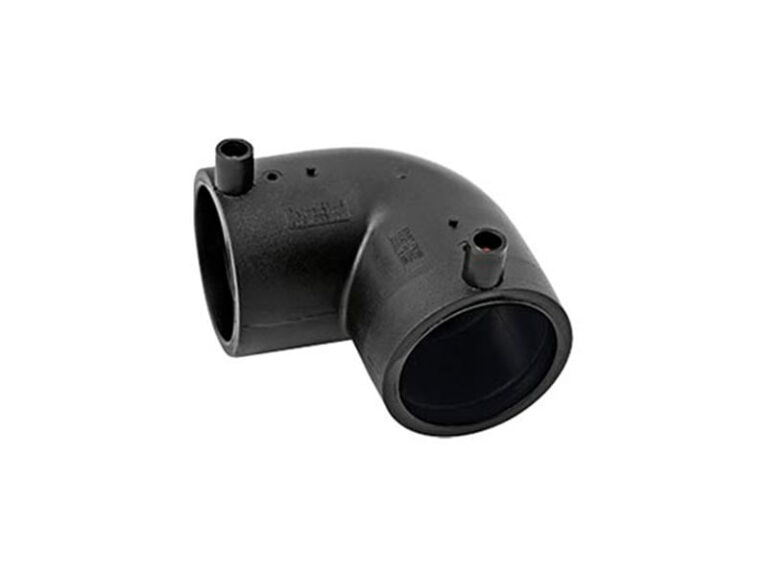
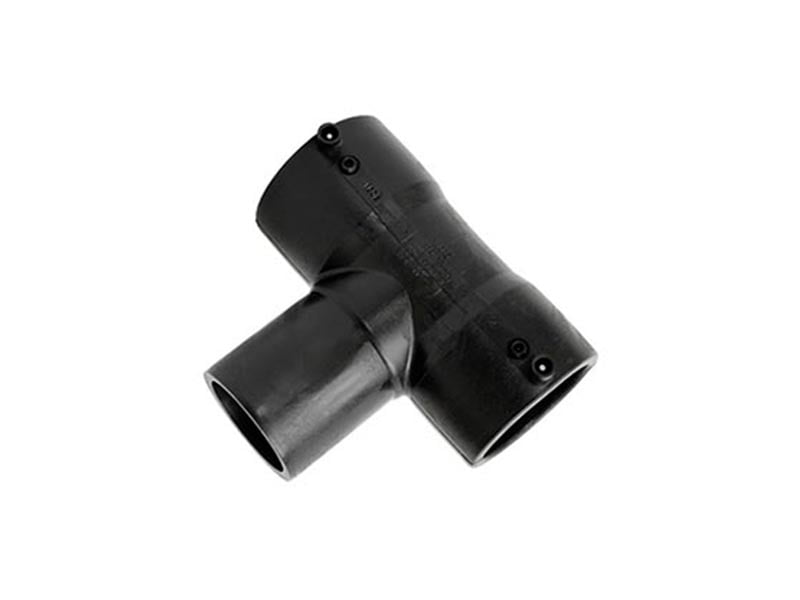
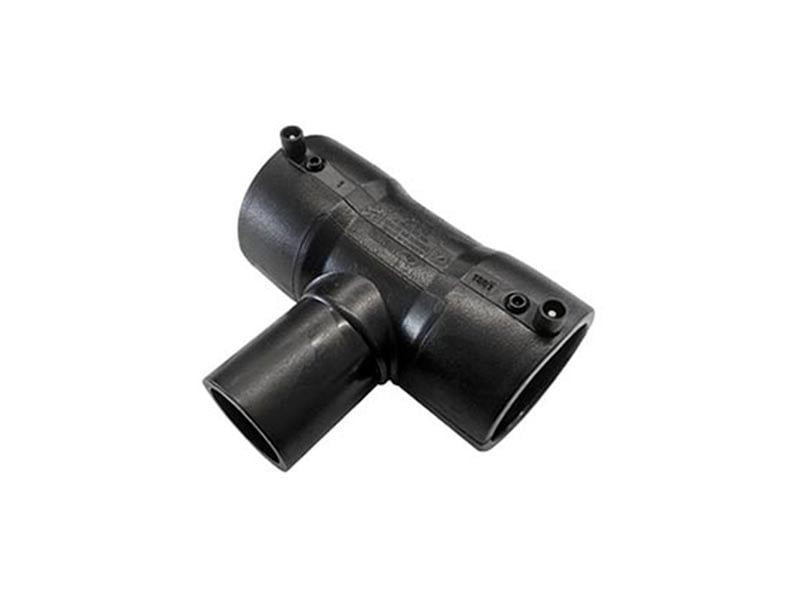
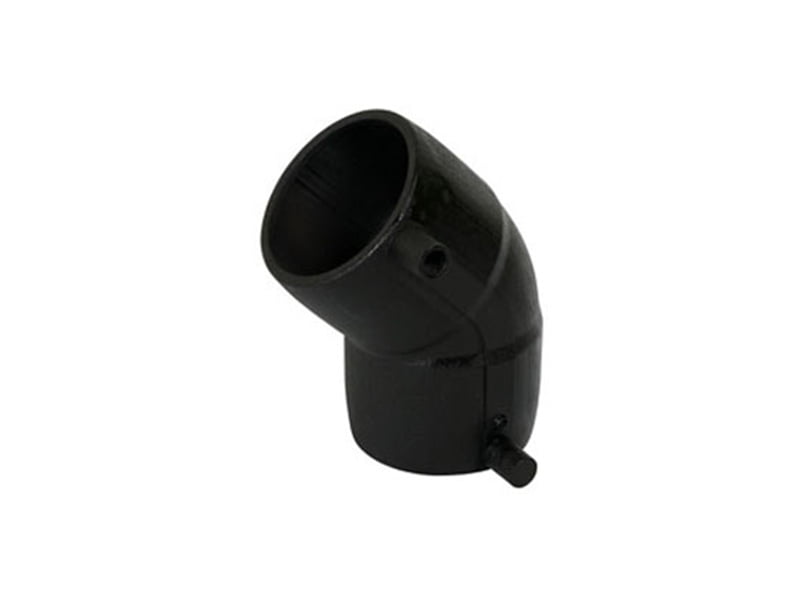
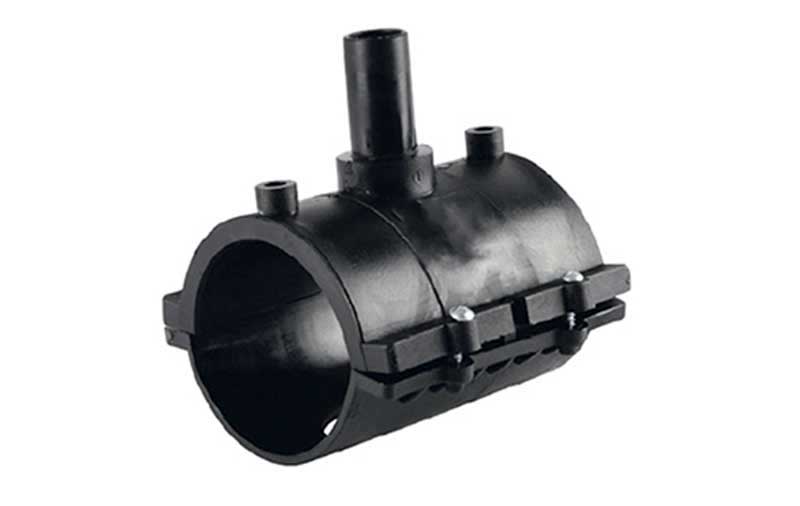
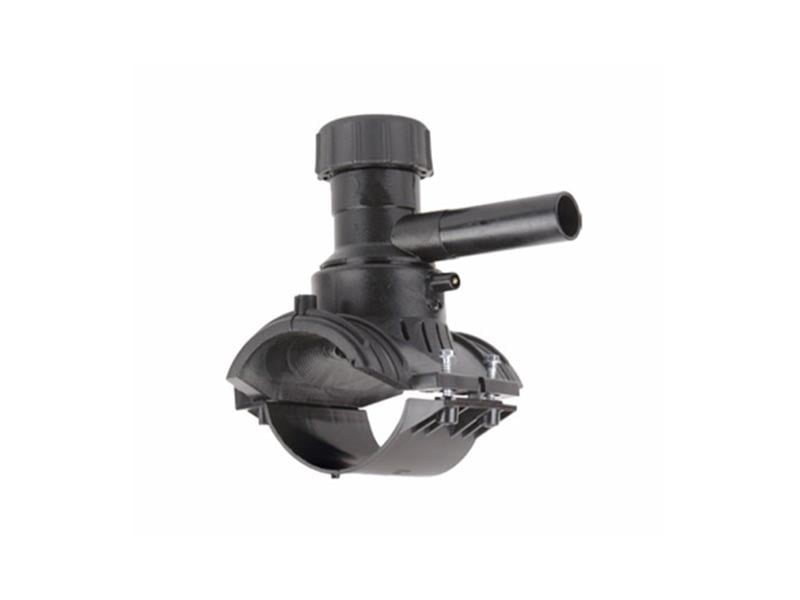
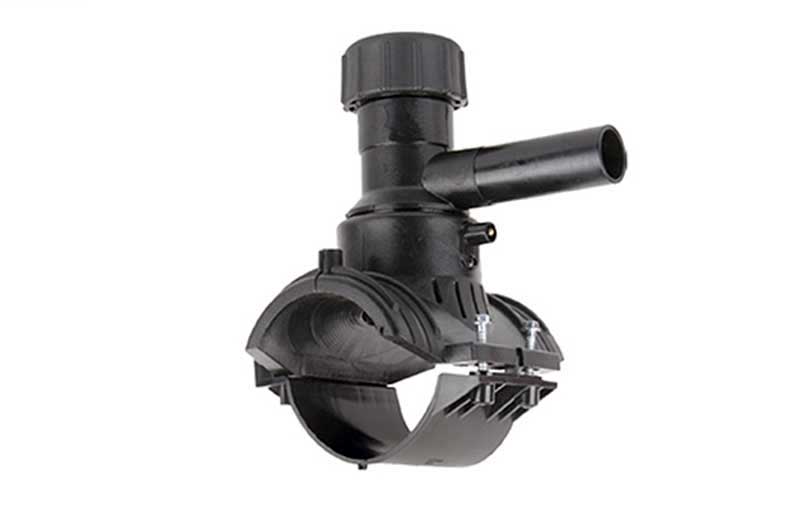
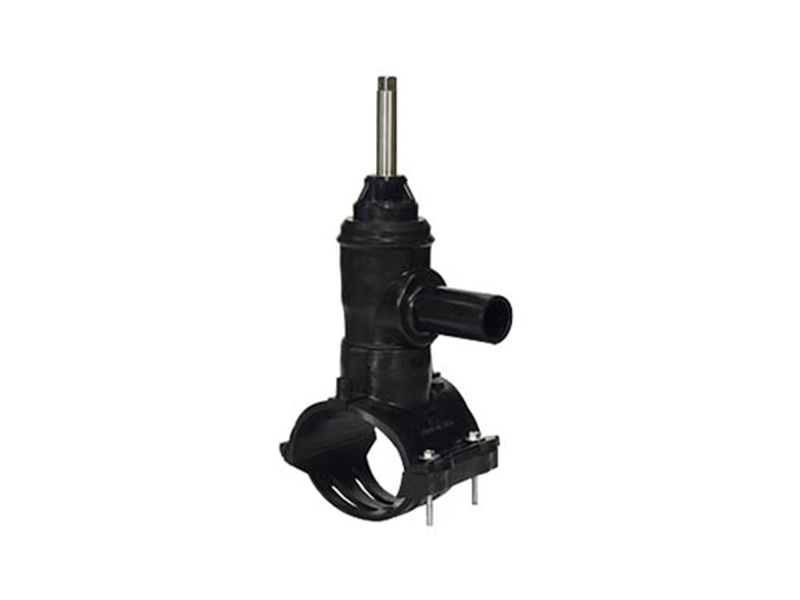
HDPE Electrofusion (EF) fittings, are special connection components that enable HDPE pipes to be joined to each other securely, leak-tight, and permanently in pressurized water, natural gas, and industrial fluid lines. Fortiweld EF fittings are manufactured from high-density polyethylene HDPE100+ raw material and are welded using the electrofusion method thanks to the embedded resistance wire inside them. This category includes a wide product range such as couplings, elbows, various tee types, reducers, caps, and saddles, and offers a reliable solution especially in confined spaces, repair work, and points requiring precise installation.
How Do Electrofusion Fittings Work?
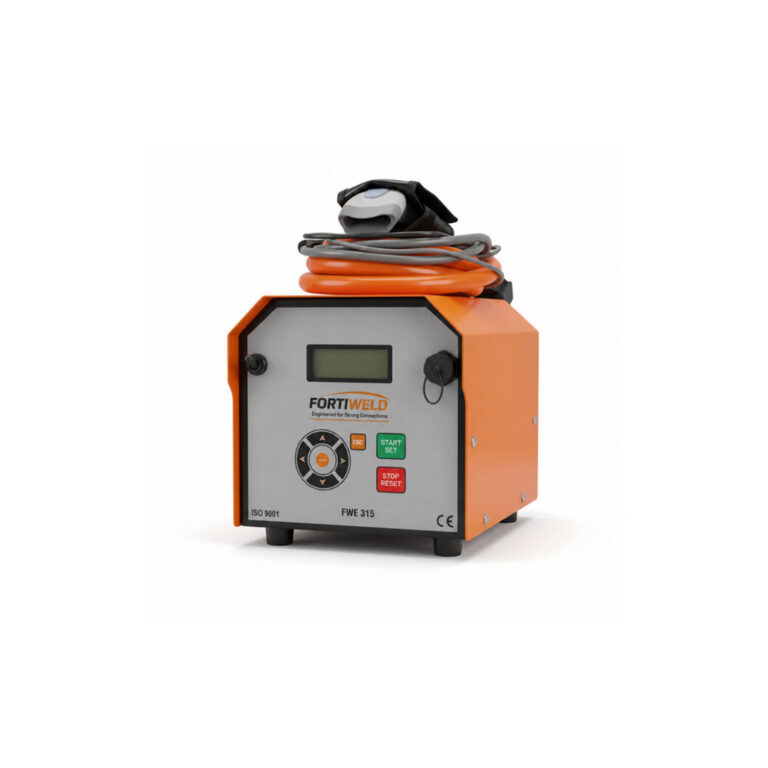
Electrofusion is based on the principle of controlled heating of the electrical resistance wires placed on the inner surface of the fitting by means of a welding machine. After the pipe end is cleaned and scraped and placed into the fitting, the device melts the connection area with the current passing through the embedded wires. The molten polyethylene joins the pipe and the fitting at the molecular level, and when it cools, a one-piece connection is formed with the same integrity as the pipe. The greatest advantage of this method is that it offers a measurable, repeatable, and largely automatic welding process, and it can also be applied even in confined spaces and areas with limited excavation.
Since all Fortiweld EF fittings are produced from HDPE100+ material, they come from the same material family as the pipe; this ensures a homogeneous joint in the weld zone without material incompatibility. Since electrofusion requires less equipment and space compared to butt welding, it is especially preferred in the repair of existing lines, branch connections, and repair applications.
Another important advantage of the method is repeatability. Since each fitting is joined with its defined welding parameters, a seam of similar quality can be achieved even under different field conditions and by different teams. This makes it easier to maintain quality consistency in large network projects. Electrofusion also stands out as a safe connection method in sensitive lines such as natural gas, since it does not require an open flame or sparks. In urban infrastructure works where the excavation area is limited, reliable welding is possible even in narrow trenches thanks to EF fittings.
Product Variety
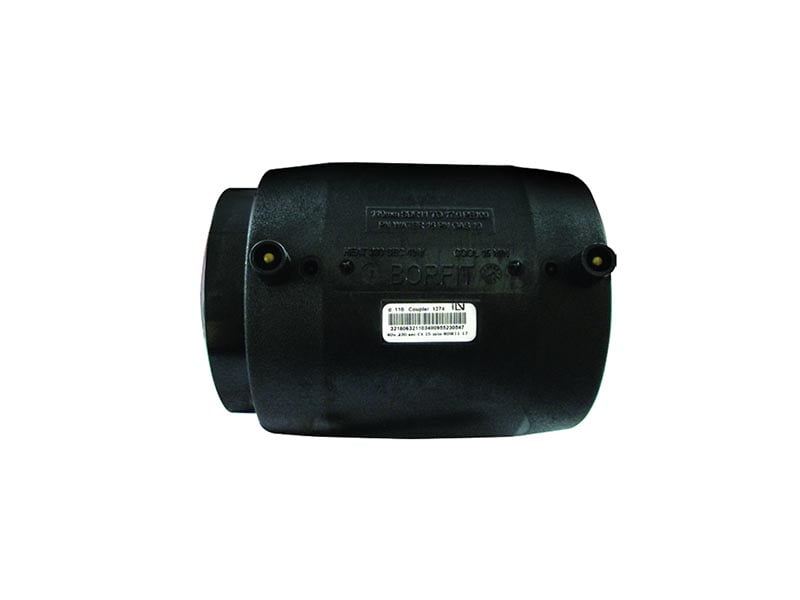
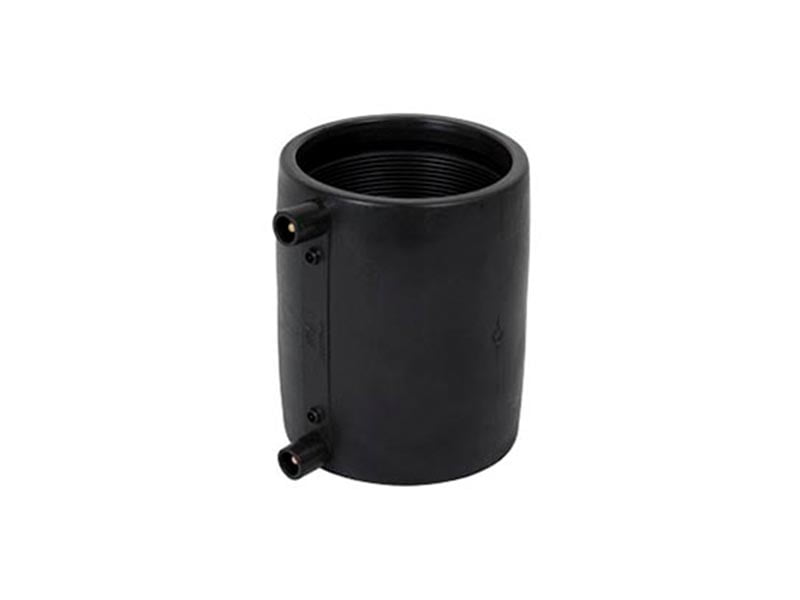
- EF Coupling: It is the basic connection component used to join two HDPE pipes end to end in a straight manner.
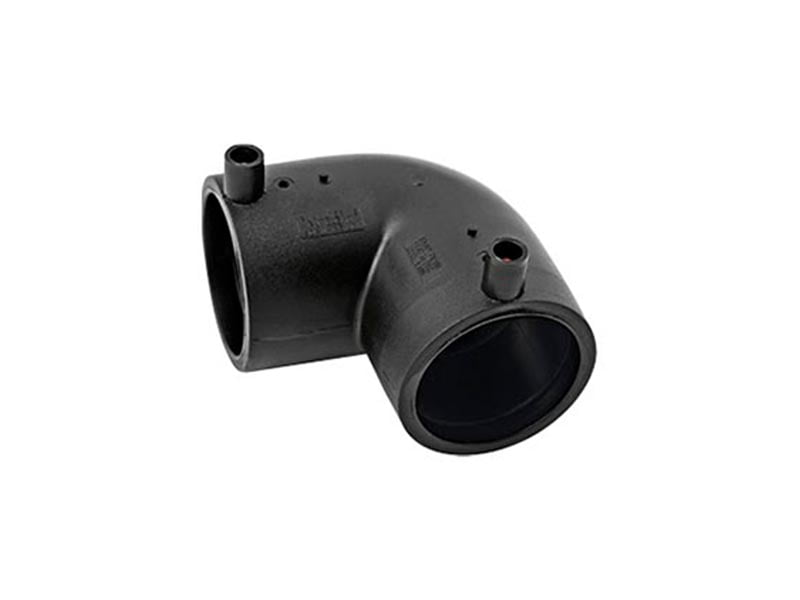
- EF Elbow 45° / 90°: Provides a safe turn at the desired angle at points where the line changes direction.
- EF Equal Tee: Used to take a branch of the same diameter from the main line.
- EF 90° Reducing Tee: Allows a smaller-diameter branch to be taken from the main line.
- EF Service Tee and Service Tee 360°: Used for subscriber/service connections; the 360° type provides flexibility in the installation direction.
- EF Valved Service Tee: Offers an integrated valve option for flow control together with the service connection.
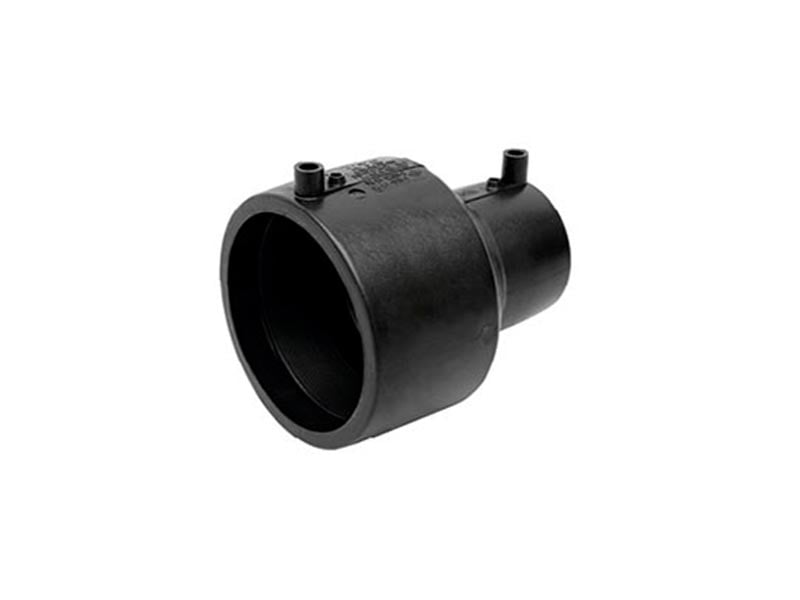
- EF Reducer: Provides transition between pipes of different diameters.
- EF CAP: Used to seal line ends in a leak-tight manner.
- EF Saddle: It allows a branch connection to be taken from an existing line without cutting the line.
Choosing the Right Part
When selecting the right EF fitting, first make sure that the pipe diameter and wall thickness are compatible with the fitting. The function of the line also determines the selection: an elbow for changing direction, a TEE for taking a branch, a reducer for diameter transition, an end cap for line termination, and a saddle or service TEE for branching from an existing line are suitable. At points requiring flow control, a valved service TEE offers a practical solution. Since the application pressure and the type of fluid carried also affect the fitting class, we recommend reviewing the product pages or consulting our technical team for project-specific size and class information.
Assembly and Usage Tips
- Before welding, clean the oxide layer on the pipe end with a suitable scraper; an unscraped surface leads to weak welding.
- Remove oil, dust, and moisture from the connection area and keep it clean throughout the assembly.
- Insert the pipe into the fitting fully and axially, up to the marked depth; avoid angled assembly.
- Secure the fitting during the welding and cooling period; do not load the line before cooling is complete.
- Set the welding machine parameters according to the information on the fitting and keep a record of them.
Why Fortiweld?
Fortiweld EF fittings are designed to provide long-lasting, leak-proof, and reliable line connections with HDPE100+ raw material and a meticulous production approach. Thanks to the wide product range, you can find all the turning, branching, diameter transition, and termination solutions a line needs within a single product family. When combined with the controllable welding quality offered by the electrofusion method, ease of installation in confined spaces, and repair flexibility, Fortiweld fittings become a strong choice for both new line installations and the revision of existing lines. To determine the diameter, angle, and TEE type suitable for your project, you can review our product pages and contact our team for detailed technical support.