
Category
Valves
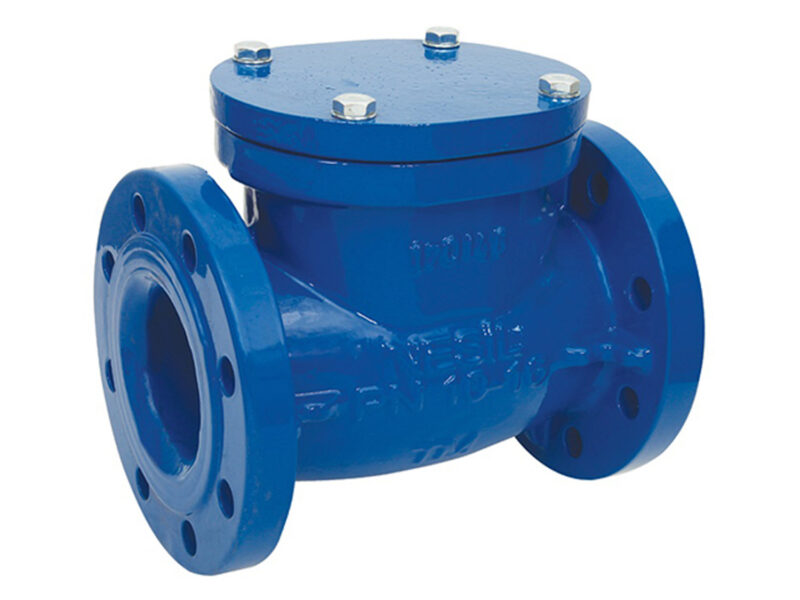
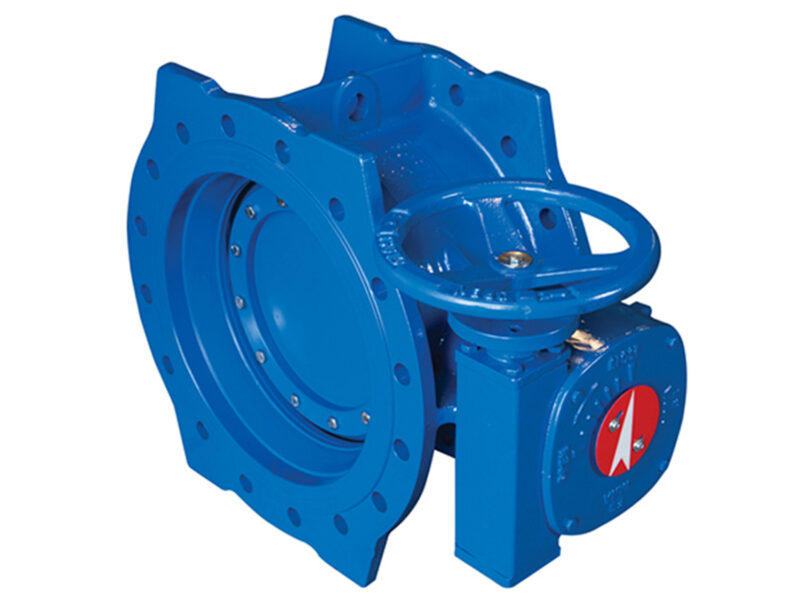
Valves for flow control in pipelines — manually operated butterfly valves and similar solutions.
Valves
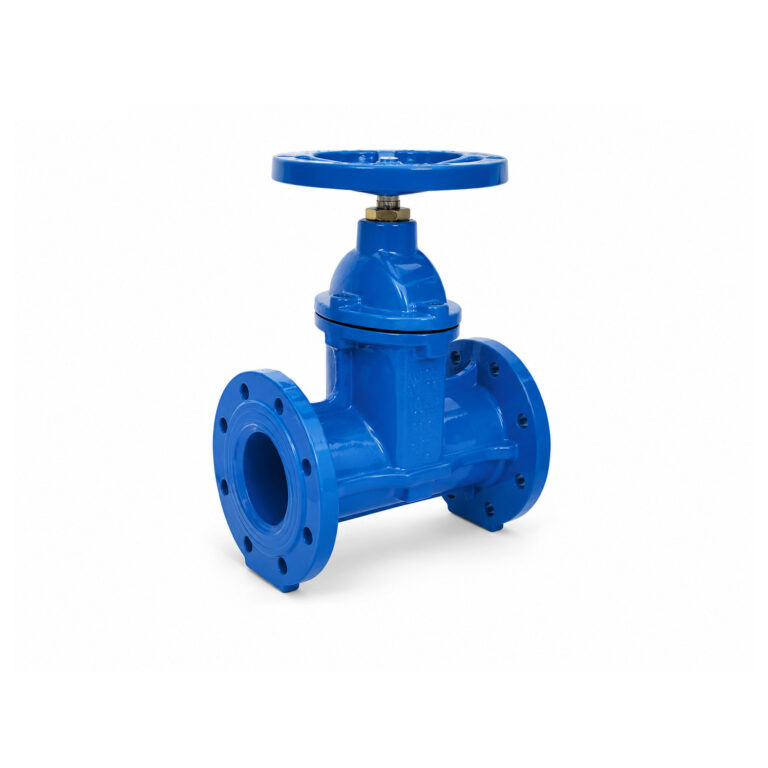
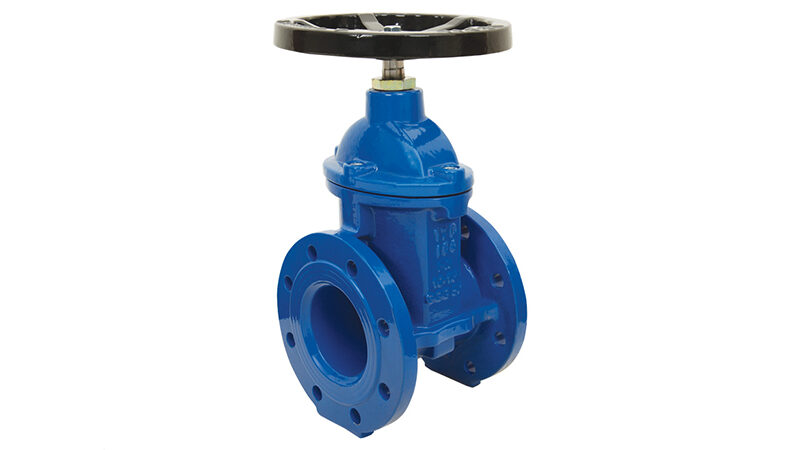
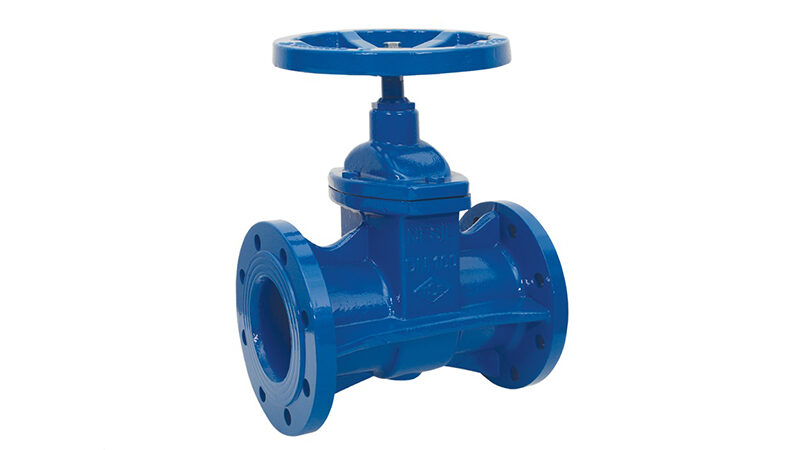
F4 Metal Seated Gate Valve
Gate valve with metal seat for heavy-duty service conditions (F4 series).
Review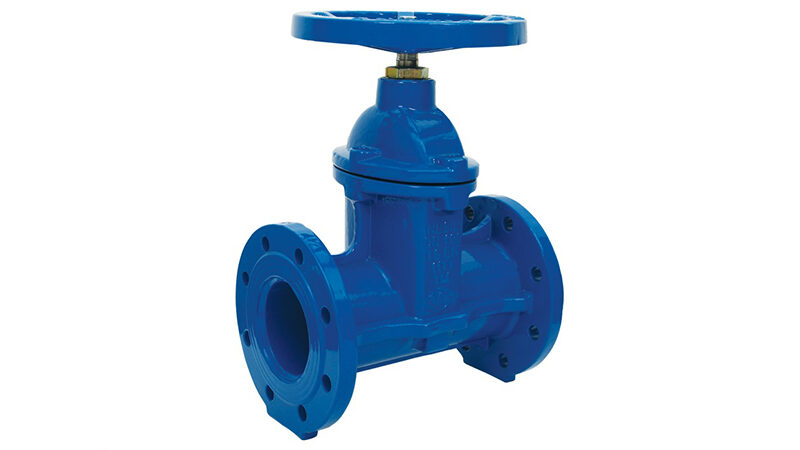
Valves
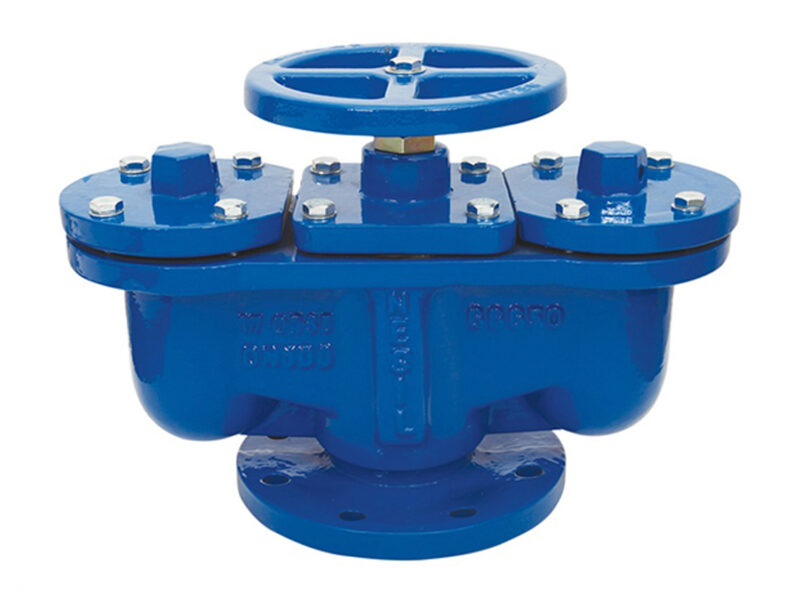
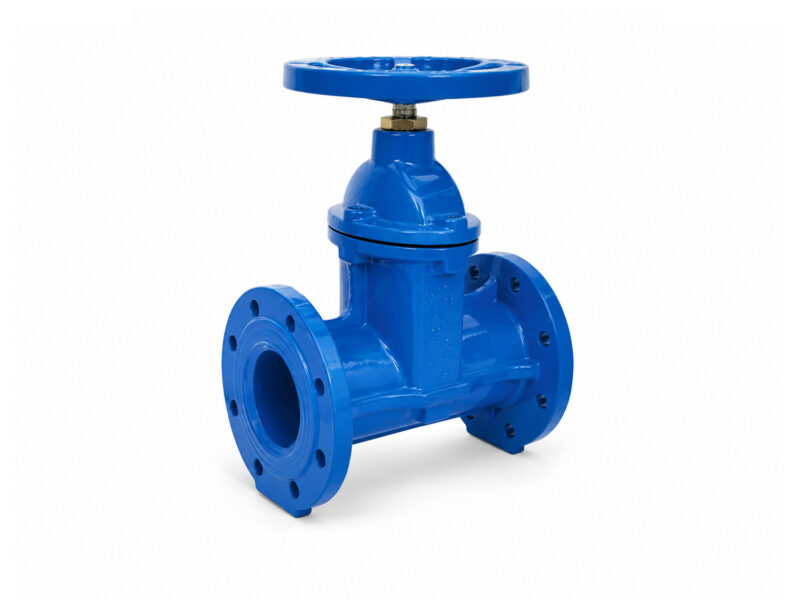
F5 Metal-Seated Gate Valve
Metal-seated gate valve for heavy-duty service conditions (F5 series).
Review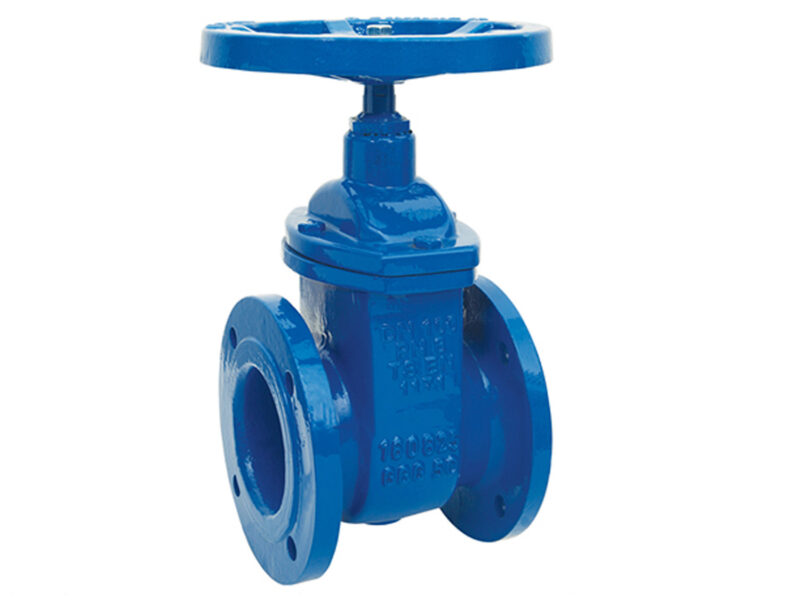

Valves
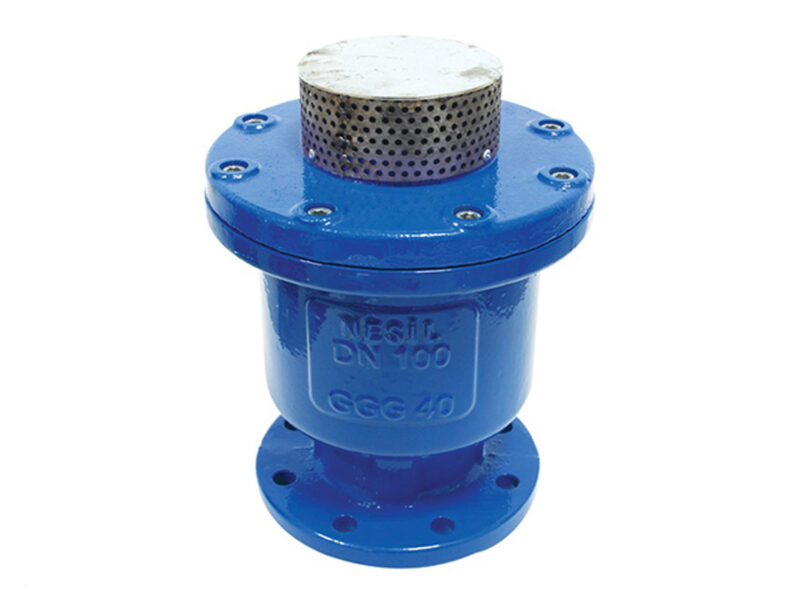
Agricultural Irrigation Valve (Intake)
Water intake (hydrant) valve for pressurized agricultural irrigation lines.
Review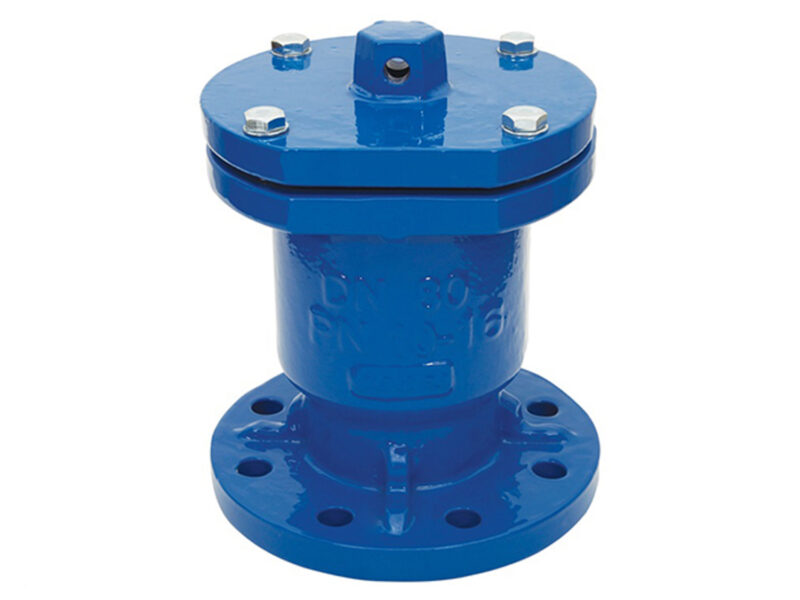
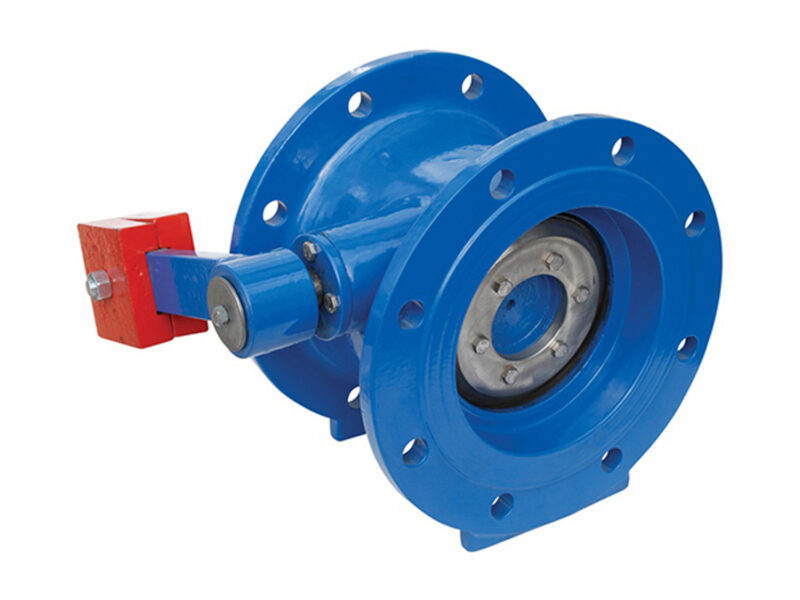
Flow Control Valves
The Fortiweld valve group provides on-off and flow control in pipelines. The manually operated butterfly valve is a practical and durable flow control solution.
Read more Show less
Valves: The Foundation of Flow Control in Pipeline Systems
Valves are essential mechanical components used to control the flow of liquids or gases in pipelines. Carrying out critical functions such as completely opening or closing a line, gradually adjusting the flow rate, or directing flow in a specific direction, valves have an extremely wide range of applications, particularly in drinking water networks, wastewater systems, irrigation lines, industrial facilities, and infrastructure projects. The safe, efficient, and long-lasting operation of a pipeline system largely depends on the correct selection of valves and their use in accordance with the rules.
Fortiweld complements its comprehensive product range in the field of HDPE pipe systems with the valve category, making the flow control solutions needed in the field accessible to users. The products in this category include options for different line diameters, pressure classes, and application conditions, and selecting the right product directly affects the overall performance of the system.
Butterfly Valve: Compact Structure, Practical Use
The manually operated butterfly valve is one of the most widely preferred valve types in pipeline systems. Taking its name from the wing-like opening and closing motion of the circular disc inside the body, the butterfly valve stands out with its compact size, lightweight structure, and relatively simple mechanism, especially in large-diameter lines and applications with limited installation space. In manually operated versions, the disc is rotated via a lever or gear mechanism attached to the outer body to open, throttle, or fully close the line.
The most prominent advantage of the butterfly valve is its compact size even at large diameters. It does not require deep burial depth like gate valves and, thanks to its flanged connection structure, integration into existing lines is relatively easy. The manually operated design offers an economical and reliable solution for applications that do not require electric or pneumatic actuation; it is particularly preferred at points where manual operation is sufficient.
Areas of Use
Butterfly valves and general flow control valves appear in a wide variety of sectoral applications. Drinking water distribution networks make extensive use of valves to isolate flow at various points in the system, divide it into sections, or take the relevant segment out of service during maintenance. In wastewater and stormwater collection systems, valves are critically important for providing temporary isolation during line maintenance processes and managing system capacity.
In irrigation and agricultural watering lines, seasonal and daily flow management depends on valves; on large agricultural lands or in greenhouse facilities, a network of dozens of valves ensures that water reaches the right point at the right time. In industrial facilities, valves are indispensable components in the control of process fluids, cooling water lines, and raw material transfer pipes. In the construction sector, valves are also frequently used for temporary water management and test isolation in excavation, foundation, and infrastructure projects.
Parameters to Consider When Selecting a Valve
Selecting the right valve is a fundamental requirement for the long-term reliability and operational efficiency of the system. The main parameters to be considered during the selection process are as follows:
- Pipe diameter: The valve must be compatible with the nominal diameter of the pipeline. Selecting the wrong diameter can lead to both sealing problems and flow losses.
- Pressure class: The operating pressure and test pressure of the line must be compatible with the pressure rating class of the selected valve. If there is any uncertainty regarding the pressure class, the technical team should be consulted.
- Fluid type: Different inner coating or material requirements may apply for drinking water, wastewater, chemical solution or another industrial fluid. Chemical compatibility must be confirmed.
- Connection type: Different connection alternatives such as flanged, welded or threaded connections are available, and the most suitable type should be selected according to the structure of the line and installation conditions.
- Frequency and location of use: The frequency of intervention required for the valve and ease of access determine whether a manually operated or actuated model should be preferred. Remote control options should also be considered for hard-to-reach locations.
- Ambient conditions: Special conditions such as underground installation, exposure to seawater, high humidity, or extreme temperatures affect the choice of material and coating.
Selection Advantages of the Butterfly Valve
The hand-operated butterfly valve offers a lighter and more compact alternative to gate valves, especially in large-diameter lines. Its small installation size provides significant convenience in valve chamber or pit design in limited areas. In addition, the relatively low number of moving parts reduces the likelihood of mechanical failure and limits maintenance requirements. Butterfly valves can be used for full open-close operations as well as throttling the flow; this flexibility provides an advantage especially in systems requiring flow adjustment.
On the other hand, the suitability of butterfly valves may vary from application to application. Different valve types may be more suitable for fluids with high solids content or at critical points requiring full sealing. Therefore, before making a selection decision, it is important to evaluate the overall design of the system and the operating conditions holistically.
Safe Installation and Operation
When valves are not properly installed or are used outside operating limits, they can lead to both equipment damage and serious safety risks. During installation, attention must be paid to the cleanliness of connection surfaces, gasket integrity, and torque values; authorized technical personnel support should be obtained when necessary. The opening and closing direction of the valve must be correctly marked, and field personnel must be informed about it. As part of periodic maintenance, the valve body, sealing elements, and control mechanism should be regularly inspected.
When any abnormality, leakage, or control difficulty is detected, before intervening in the system, it must be ensured that the line pressure has been safely discharged and the necessary occupational safety measures must be taken. All maintenance and repair operations must be carried out in accordance with the project technical specifications and applicable safety procedures.
Reliable Flow Control with Fortiweld
Fortiweld, as a brand that has built trust with the field solutions it provides in HDPE pipe systems, also aims to deliver the quality and reliability its users need in the valves category. The products in this category, primarily the manually operated butterfly valve, are configured to offer options suitable for different diameter and pressure requirements. For project-specific product selection, technical specifications, or installation recommendations, you can reach the right solution by contacting the Fortiweld technical team.
Technical Information
Line diameter, working pressure, fluid type, and connection type are decisive in valve selection. Butterfly valves stand out with their compact structure and quick open-close features. Review the product pages for diameter, pressure class, and connection details; technical values vary by product.
Application Areas
- Drinking water and infrastructure lines
- Wastewater and drainage systems
- Industrial process lines
- Pump and distribution stations
- Flow on-off points
Choose the Right Product
When selecting a valve line diameter, pressure class, fluid type and connection typeEvaluate the options. A butterfly valve is suitable at points where quick opening and closing is required. You can consult the Fortiweld technical team to determine the most suitable valve for your needs.
Frequently Asked Questions
Valves about.
Where is a butterfly valve used?
Used for fast on-off and control of flow in drinking water, wastewater and industrial lines.
How to choose a valve?
It is selected according to the line diameter, pressure class, fluid type and connection type.
How is it connected to the line?
It is usually integrated into the line via a flanged connection; the connection detail varies depending on the product.
Which fluids is it suitable for?
The suitable fluid type is determined according to the product; consult our technical team for your application.
Is technical support available?
Yes; Fortiweld provides support for selecting the appropriate valve.
Technical Consulting
Let’s determine the right solution for your project together
Share your diameter, pressure, and field conditions; the Fortiweld technical team will recommend the right solution for you within 48 hours.