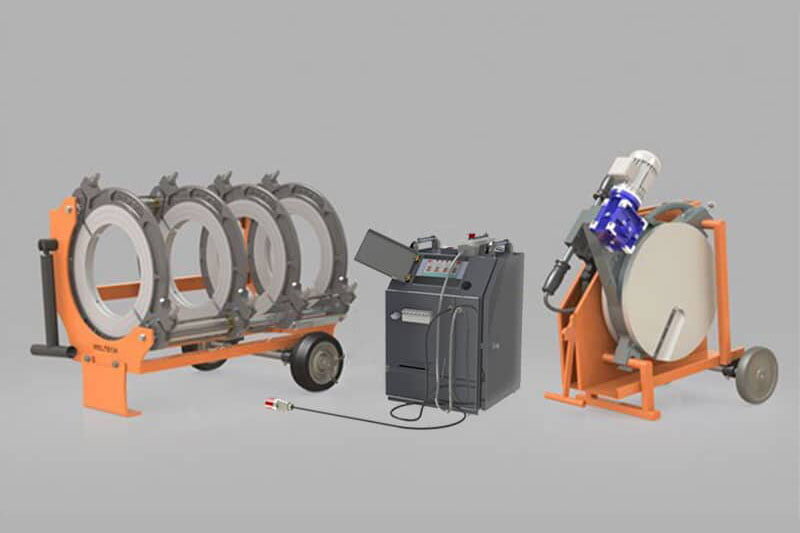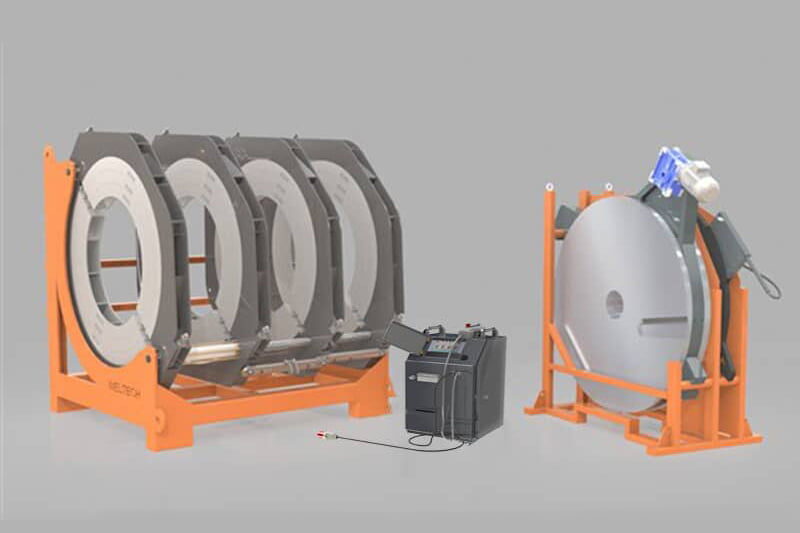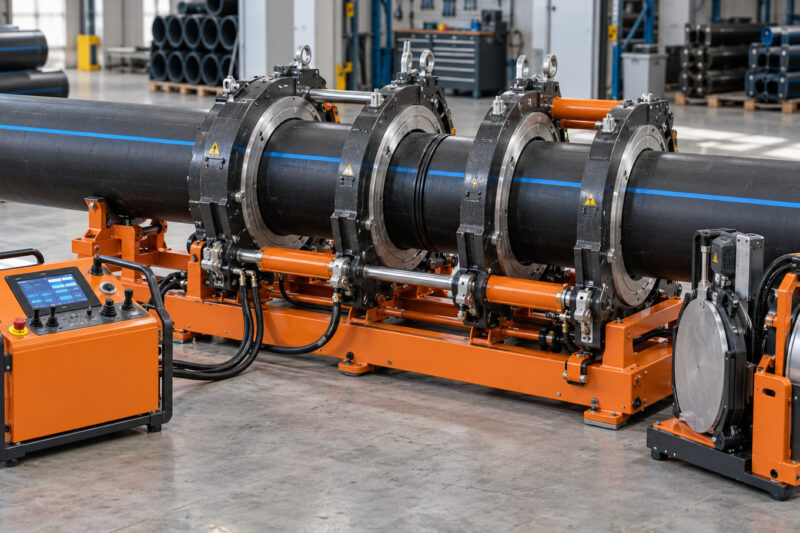
CNC butt welding machine technology is taking center stage in pipe infrastructure projects in 2026; the concepts of automation, traceability, and sustainability are setting a new standard in the HDPE welding industry. In this article, we examine the trends based on leading industry experts and field experiences, and share why we at Fortiweld are part of this transformation.
CNC Automation and Smart Process Control
Automation in welding technology fundamentally transforms process reliability beyond merely providing convenience. With the introduction of CNC control, operators' discretion over parameters narrows; the machine itself selects and applies the most accurate values for each weld. This transformation changes the rules of the game in terms of repeatability and quality documentation in large infrastructure projects.
Fully Automatic Welding Cycles
Modern CNC butt welding machines can now manage the entire welding cycle without operator intervention. The heating, pressurization, and cooling phases are precisely applied within the parameters determined by the controller inside the machine. This approach ensures repeatable welding quality by minimizing deviations caused by human error. Especially in large diameters and long pipelines, this automation feature significantly reduces project duration and labor costs.
Real-Time Parameter Monitoring
The most prominent aspect of the 2026 trends is the machine's instant monitoring of pressure, temperature, and movement speed during welding, alerting the operator when necessary. Thanks to advances in sensor technology, this data is processed within milliseconds. When deviations are detected, the machine can automatically pause the cycle or initiate corrective action. This mechanism helps prevent welding faults before reaching critical points of the pipeline.
Data Logging and Digital Trace
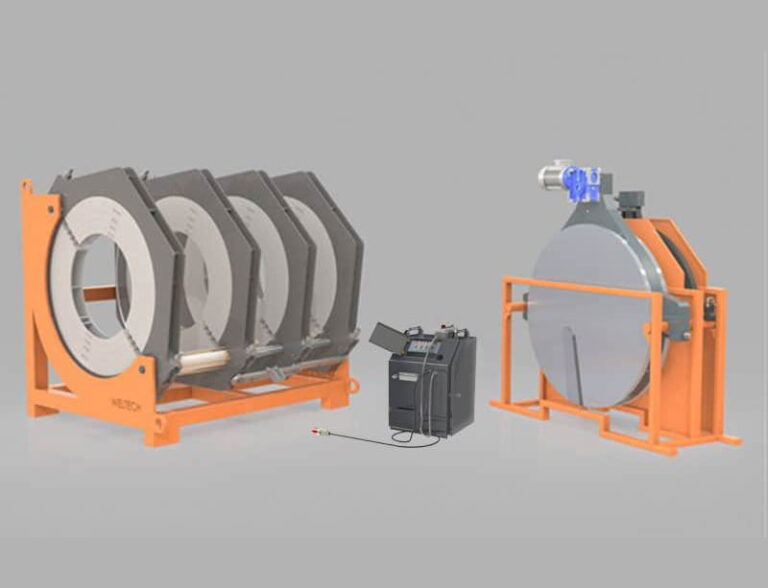
For each welding operation, the date, time, operator ID, applied temperature, pressurization time, and cooling values are automatically recorded. This digital trace provides traceability of every welding point to both the employing organization and the inspection authority. These records also play a decisive role in maintenance and warranty processes; what parameter was applied to which weld is documented beyond dispute. In the long term, these records also become an effective tool in determining which points along the line require renewal.
Traceability and Reporting Standards
Evaluating welding quality only at the moment is no longer sufficient. Project owners, inspection authorities, and maintenance teams demand the ability to access the history of every weld made, even months or years later. This demand makes traceability and reporting systems a mandatory investment.
QR Code and Barcode Integration
The welding reports produced are now easily accessible in the field. A QR code or barcode placed at specific points along pipelines instantly opens the welding protocol when scanned. This method allows maintenance teams to see within seconds which equipment was used previously and with which parameters welding was performed. In large infrastructure projects, this traceability structure is becoming increasingly mandatory in terms of protocol compliance.
Cloud-Based Reporting
The integration of data recording systems with cloud platforms regulates the information flow between the field and the office in a way that leaves no room for disputes. The project manager can remotely track which welds have been completed during the day, how long each machine has been running, and any potential warnings. This approach significantly enhances coordination, especially for teams working simultaneously at multiple sites. With reporting tools becoming mobile-compatible, managers can view the field status in real time via tablet or smartphone.
Digitalization and Connected Equipment
The transformation of welding machines from being merely mechanical devices into parts of a connected and intelligent system stands out as the most prominent change in the sector. This transformation brings with it new business models and perspectives.
IoT and Machine-to-Machine Communication
The Internet of Things (IoT) infrastructure enables welding machines to communicate with other field equipment. The status of power supplies, ambient temperature measurements, and material stock information are consolidated at a central control point. This concept of connected equipment also paves the way for predictive maintenance models that detect unplanned downtimes in advance; thus, project schedules continue without disruption. The ability to perform remote diagnostics instead of visiting the site for fault detection significantly reduces maintenance costs.
Operator Interfaces and Usability
Touchscreen, multilingual, and intuitive interfaces are becoming standard in CNC butt welding machines. The operator's ability to correctly enter basic parameters and safely use the machine without extensive technical knowledge shortens training time. At the same time, structured step-by-step guides significantly reduce mistakes that novice operators might make in the field. Visual feedback and error messages on the interfaces provide instant warnings when a mistake is made.
Sustainability and Energy Efficiency
Sustainability holds an indispensable place among the 2026 trends. New-generation CNC butt welding machines minimize power consumption outside the welding cycle through standby modes and intelligent energy management algorithms. Efficiency increases in hydraulic systems also directly contribute to this goal. Reduced energy consumption both lowers operating costs and shrinks the project's carbon footprint, offering a two-way gain.
Reducing material waste also constitutes an important dimension of sustainability. CNC-controlled machines ensure that parameters are applied correctly every time, reducing material and labor wasted due to faulty welding to a minimum. In the long run, these savings significantly improve the return on equipment investment.
Project Management and Resource Planning
Digital data flow and automation create transformation not only at the machine level but also in project management processes. Real-time data obtained from CNC welding systems allows the project schedule to be updated dynamically. Seeing instantly from the field how long each job took to complete makes it easier to identify welding-related delays in advance and optimize team and equipment planning. This approach offers clearer predictability to both the customer and the project manager.
Experience the Difference with Fortiweld CNC Butt Welding Machines
- Consistent quality in every weld through automatic cycle control
- Traceability assurance with full data logging and digital trail
- User-friendly touchscreen interface and multilingual support
- Low operating cost with intelligent energy management
- Modular structure offering solutions across a wide range of diameters
- Reporting infrastructure suitable for field and office integration
- Prevention of unplanned downtime with predictive maintenance support
Frequently Asked Questions
What is the fundamental difference between a CNC butt welding machine and a standard hydraulic machine?
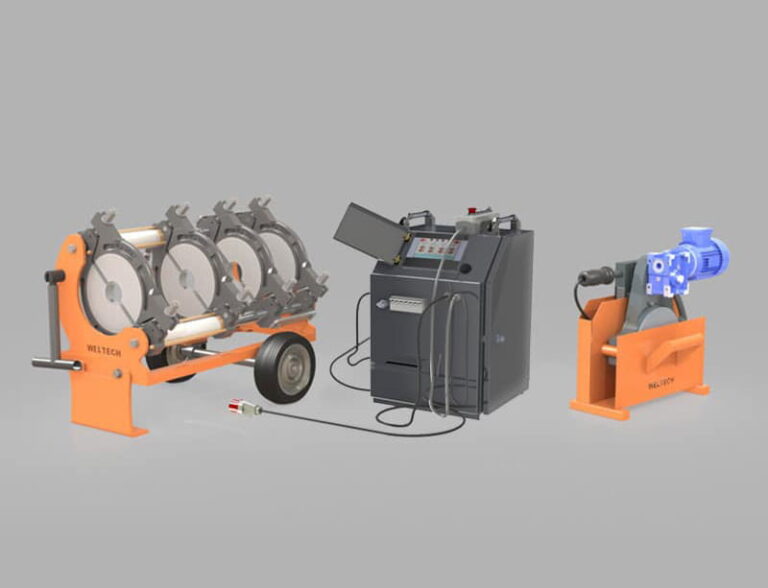
CNC butt welding machines automatically control the welding parameters (temperature, pressurization, movement speed) and keep digital records. In standard hydraulic machines, these steps are largely applied manually by the operator.
Is recording welding data mandatory?
In pipeline infrastructure projects, the requirements of the project owner and supervisory bodies may vary. However, data logging is increasingly becoming a standard practice in terms of quality assurance and traceability; we recommend consulting our technical team for detailed information.
Are the 2026 CNC welding trends also applicable to small-scale projects?
Machines with automation and data logging features provide greater advantages in large projects; however, repeatable welding quality is important in projects of all scales. You can consult our experts to determine the most suitable model for your project.
Up to which diameter range can welding be performed with Fortiweld CNC machines?
CNC butt welding machines in the Fortiweld product range address different diameter ranges. We recommend reviewing our product pages or contacting our technical team for the diameters and parameters required by your project.
Is special software required for cloud-based reporting?
This matter varies depending on the machine model and the preferred integration infrastructure. For supported reporting options and system requirements, we recommend consulting the technical documentation and our sales team.
Be Ready for the 2026 Trends with Fortiweld
In the rapidly digitalizing environment of the pipeline infrastructure sector, choosing the right equipment is the foundation of long-term project success. The CNC hydraulic butt welding machines and hydraulic butt welding machines, we have developed as Fortiweld are designed to meet the requirements of these trends. For project-specific technical consultancy and product selection from our contact page you can reach our experts.