HDPE Injection Fittings
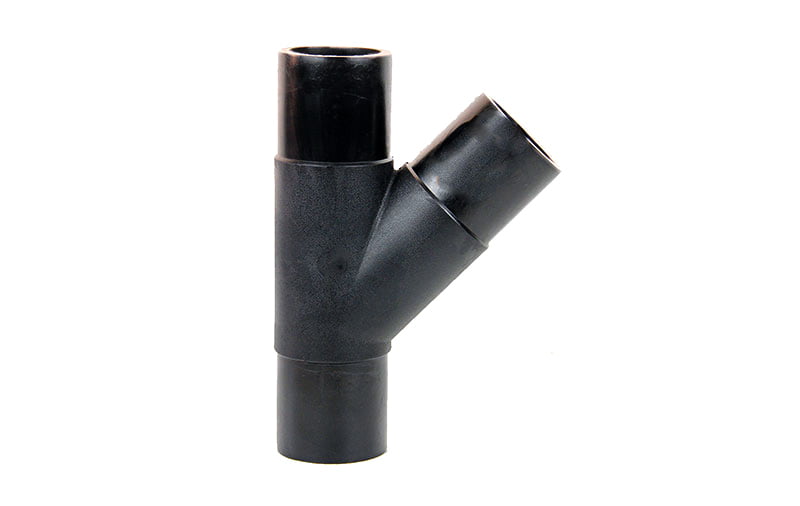
45° Lateral Tee HDPE100+
45° branch TE injection fitting for HDPE100+ polyethylene gas and water lines. Provides a secure and leak-proof joint in angled branch connections in pipelines.
ReviewHDPE100+ fittings produced by injection molding — elbows, equal/reducing tee, reducer, cap, cross and flange adapter.
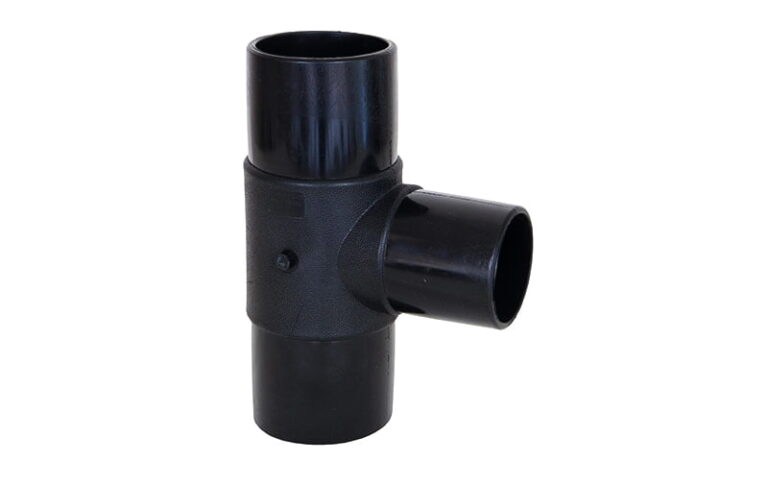
45° branch TE injection fitting for HDPE100+ polyethylene gas and water lines. Provides a secure and leak-proof joint in angled branch connections in pipelines.
Review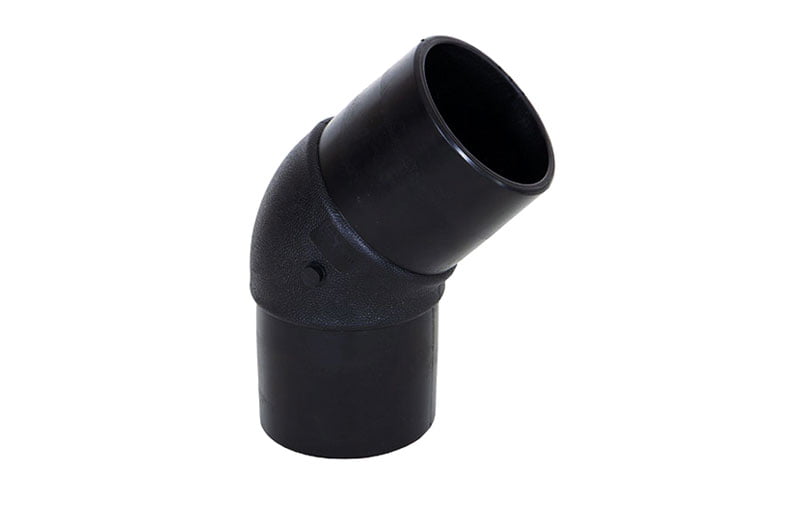
The 45° Elbow HDPE100+, manufactured by the injection method, is a durable fitting that provides a leak-proof change of direction in small and medium diameter polyethylene lines.
Review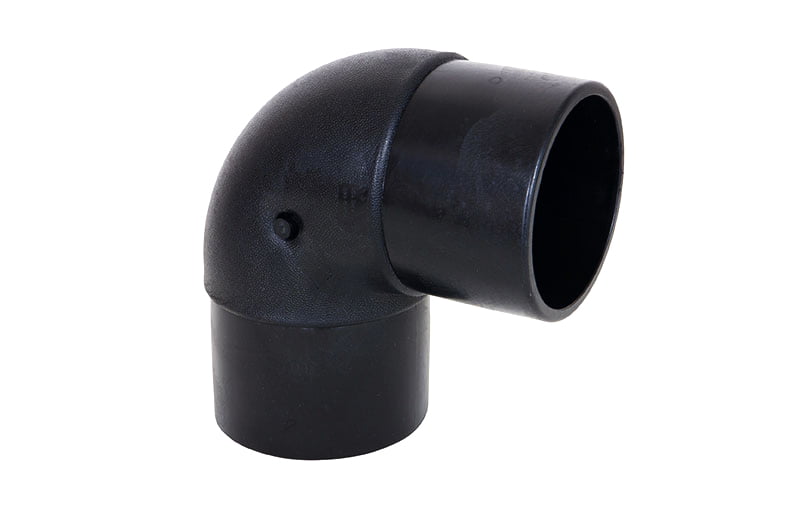
Injection fitting elbow used to change the flow direction by 90° in HDPE100+ pipelines. Provides a safe, leak-proof connection in gas and water fittings applications.
Review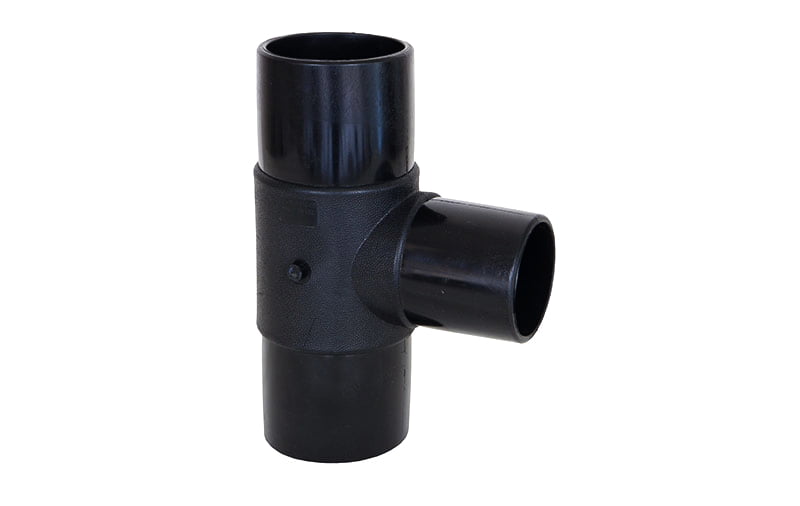
Injection fitting TE providing three-way equal outlet in HDPE100+ pipelines. It is used for branching in polyethylene gas and water fittings applications.
Review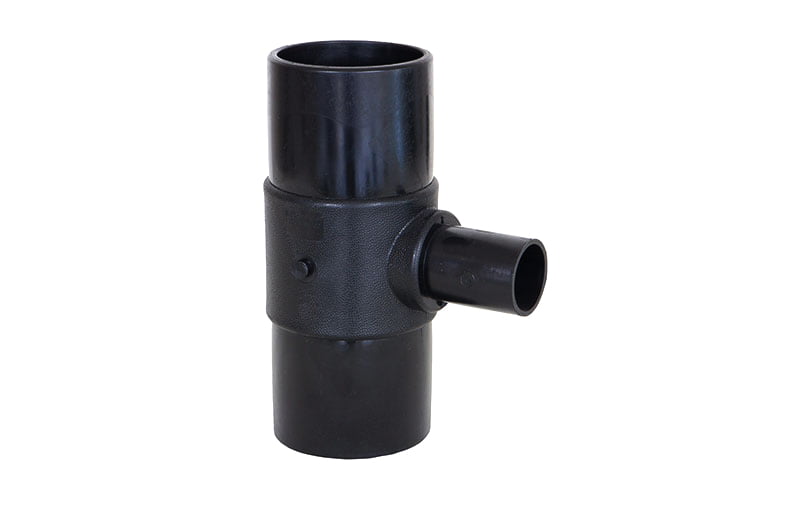
HDPE100+ reducing tee is a 90° injection fitting used to create a branch separation of a different diameter from the main line.
Review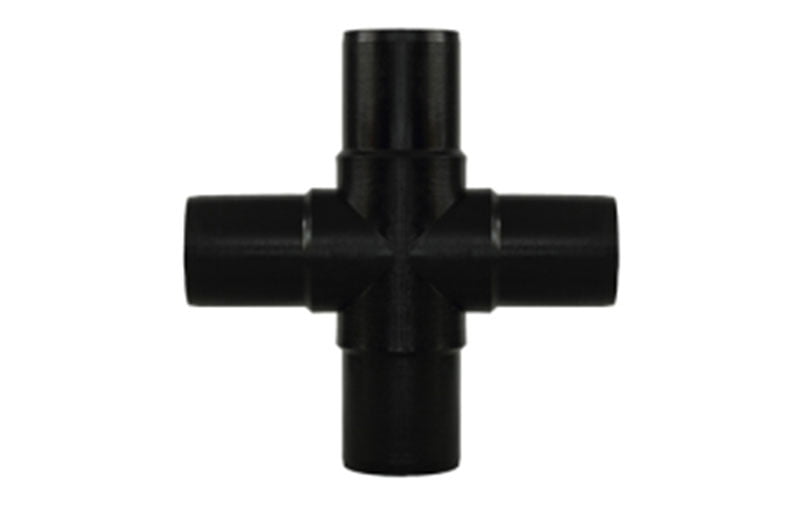
Injection molded cross fitting TE that provides four-way distribution in HDPE100+ pipelines. It is used for cross branching in polyethylene gas and water fittings applications.
Review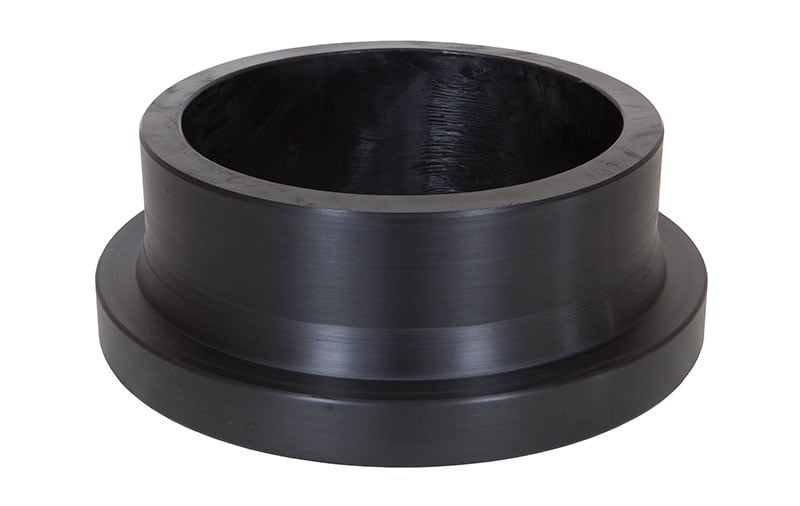
HDPE100+ short type flange adapter; used to securely connect polyethylene pipelines to flanged fittings and equipment.
Review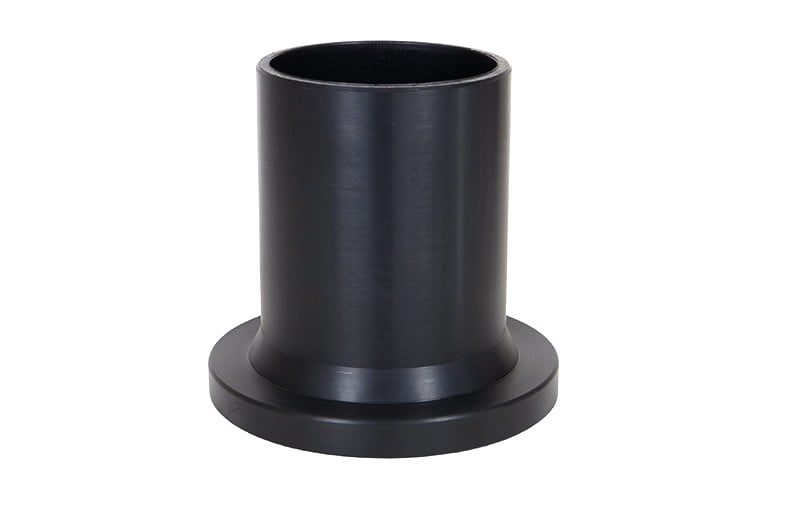
Injection fitting flange adapter used to convert HDPE100+ pipelines to flanged connections. It provides a detachable connection in gas and water fittings applications.
Review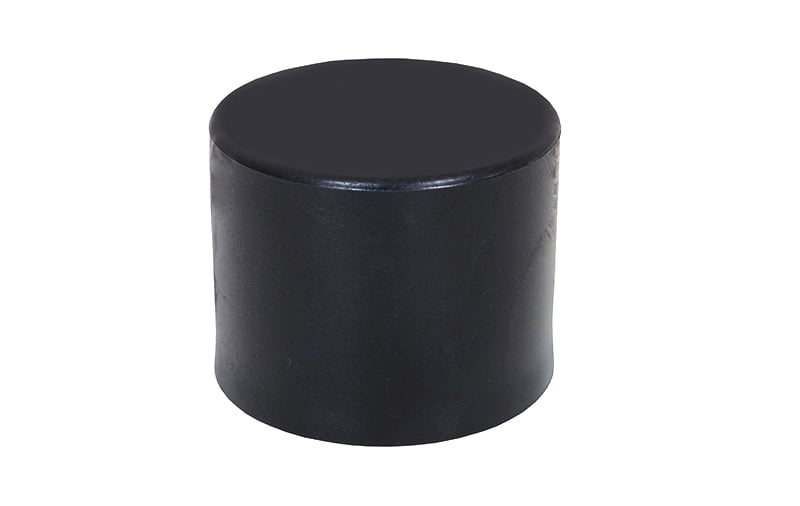
The HDPE100+ cap (end cap) is an injection-molded fitting used to seal the end of the polyethylene pipeline tightly.
Review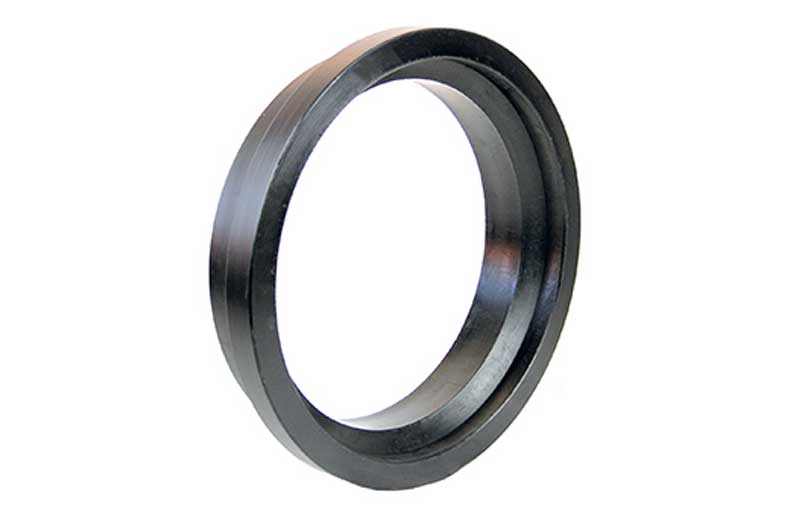
Short-type reducer manufactured from HDPE100+ material by injection method; safely connects polyethylene pipelines of different diameters to each other.
Review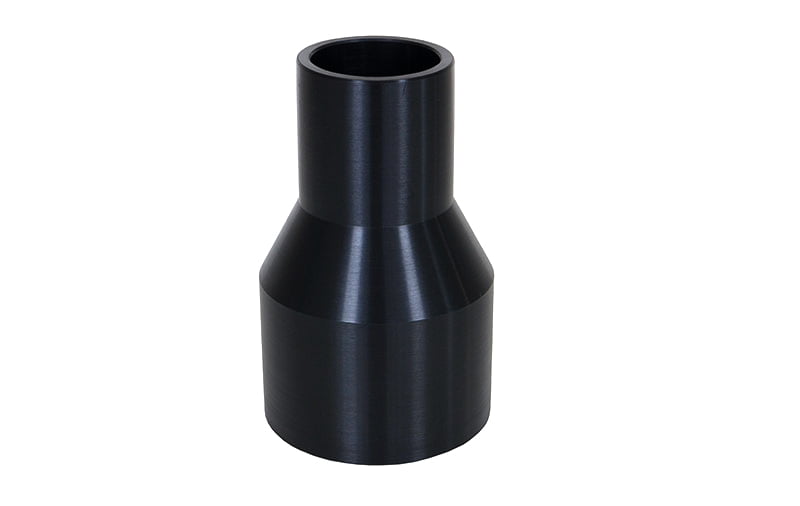
The HDPE100+ injection reducer provides diameter transition in water and gas lines by securely connecting polyethylene pipes of different diameters.
Review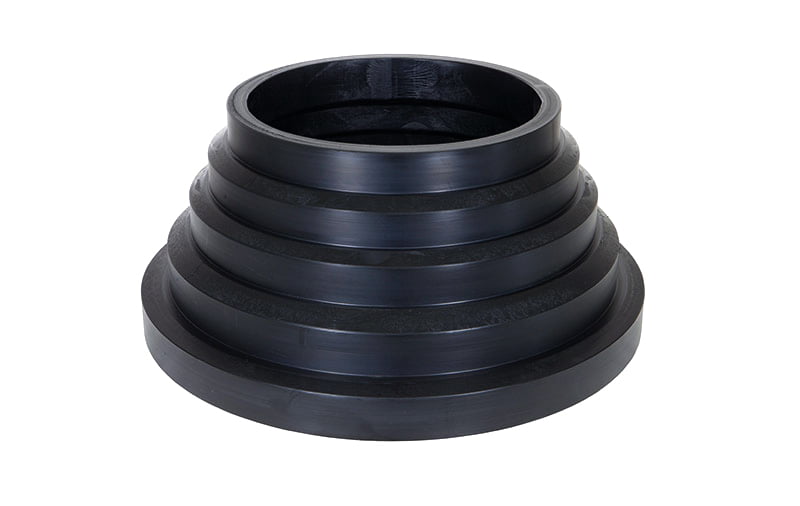
HDPE100+ injection stepped reducer; provides robust and leak-proof diameter transitions in large-diameter polyethylene pipelines.
ReviewFortiweld injection fittings are homogeneous HDPE100+ connection elements produced by the injection molding method. They create durable and leak-proof pipe lines when joined by butt welding.
HDPE injection fittings, are high-strength connection elements used in pressurized water, wastewater and industrial fluid lines at points where HDPE pipes change direction, branch, change diameter or terminate. Fortiweld injection fittings are produced from high-density polyethylene HDPE100+ raw material using injection molding method; this way homogeneous, pore-free parts with the same material integrity as the pipe are obtained. This category encompasses various elbows, TEEs, reducers, caps and flange adapter types, bringing together all basic transition and connection solutions that an HDPE line may need.
Injection molding is a method in which melted HDPE raw material is injected into a mold under high pressure to shape the part in a single pass and without defects. This production method provides consistent wall thickness throughout the part cross-section and a homogeneous internal structure; this means high strength under pressure and long service life. Unlike welded or segmented production, injection parts have no additional points that could create weak spots; the part has an integrated body from start to finish. Injection fittings are generally butt welding connected to pipes: the part and pipe ends are melted with a heating plate, then joined and cooled under controlled pressure. As a result, a single-piece connection is created between the pipe and fitting that is as strong and leak-proof as the main pipe. HDPE100+ parts from the same material family prevent material incompatibility in the welding zone.
At points not suitable for butt welding or where transition to different systems is needed, parts like flange adapters come into play; thus the HDPE line is integrated into other equipment with demountable and serviceable connections. This flexibility makes injection fittings a versatile solution in both new networks and expansion of existing systems.
HDPE injection fittings; are widely used in drinking water and irrigation networks, wastewater and rainwater lines, industrial process pipe lines and plumbing systems requiring chemical resistance. Due to its corrosion-resistant structure, light weight and long-lasting welded connections, it is preferred in both buried and above-ground line applications.
When selecting the right part, it is essential that the pipe diameter and wall thickness are compatible with the part. The line's function determines selection: elbow for direction change, equal or reducing tee for branch taking, cross for multi-directional distribution, fork TEE for smooth branching, reducer for diameter transition, cap for line end, flange adapter for demountable connections. Since the operating pressure and the type of fluid being conveyed affect the part class, we recommend reviewing the product pages or consulting our technical team for project-specific dimensions and class information.
Fortiweld HDPE injection fittings offer high pressure resistance and long service life thanks to HDPE100+ raw material and the homogeneous structure provided by injection molding. With a comprehensive product range, you can find all turn, branch, diameter transition, and termination solutions that a line may need within a single reliable product family. Seamless and leak-free connections achieved through butt welding make Fortiweld fittings a solid choice for both new network installations and extensions of existing lines. You can review our product pages to determine the most suitable fitting type, angle, and diameter transition for your project, and contact our team for detailed technical support.
Injection fittings are produced from HDPE100+ material through injection molding and are typically joined by butt welding method. The fitting diameter, angle, and connection type are selected according to the application. Check product pages for diameter ranges and details; technical values vary by fitting.
When selecting the right fitting, diameter, connection type and angle clarify your needs: use elbows for direction change, T/cross for branch connections, reducer for diameter transition, cap for line end, and flange adapter for metal/flanged connections. Fortiweld technical team will guide you based on your project details.
Share your diameter, pressure, and field conditions; the Fortiweld technical team will recommend the right solution for you within 48 hours.