Manual Extruder
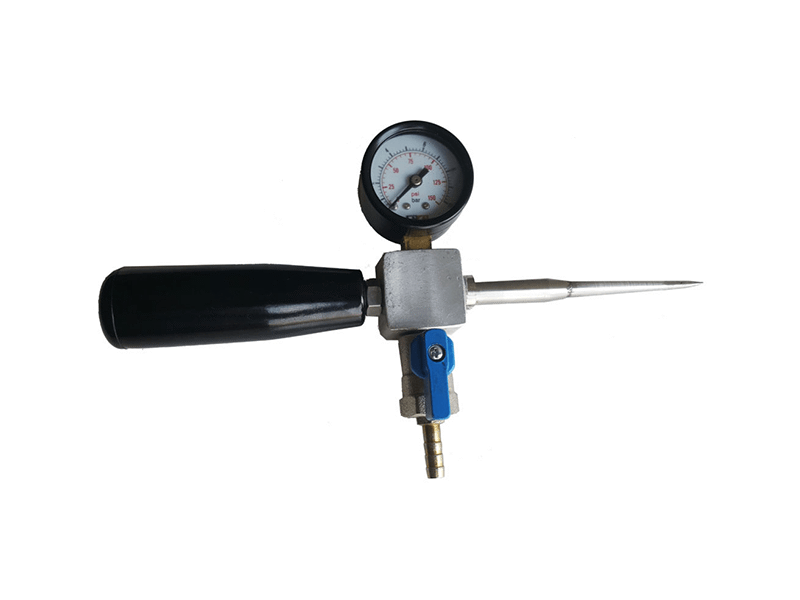
Pressurized Air Test Device
The Compressed Air Testing Device quickly and reliably checks the leak-tightness of geomembrane and plastic weld seams by applying compressed air.
ReviewHand extruder, geomembrane welding machine and pressurized air test device for extrusion welding of plastic surfaces and field testing applications.
The Compressed Air Testing Device quickly and reliably checks the leak-tightness of geomembrane and plastic weld seams by applying compressed air.
Review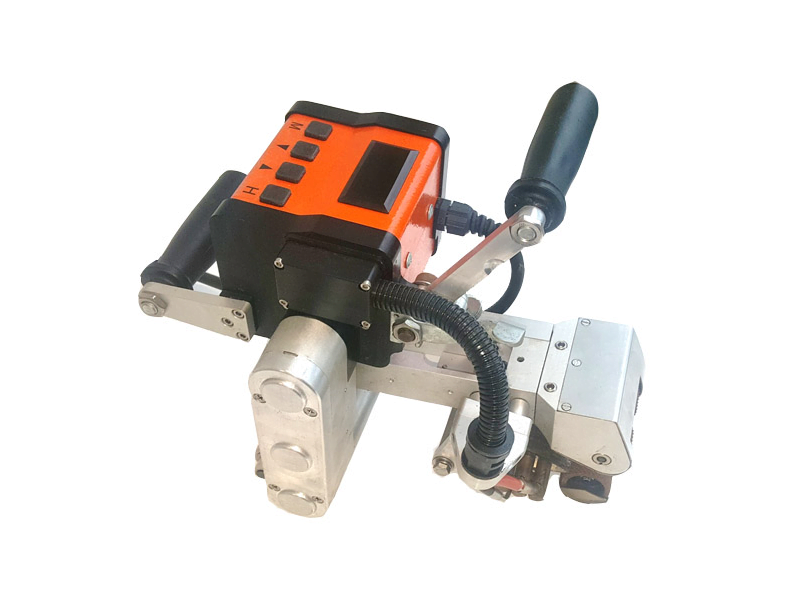
The geomembrane welding machine is an easy-to-use field device that provides high-speed, high-quality hot air welding with its lightweight and portable design.
Review
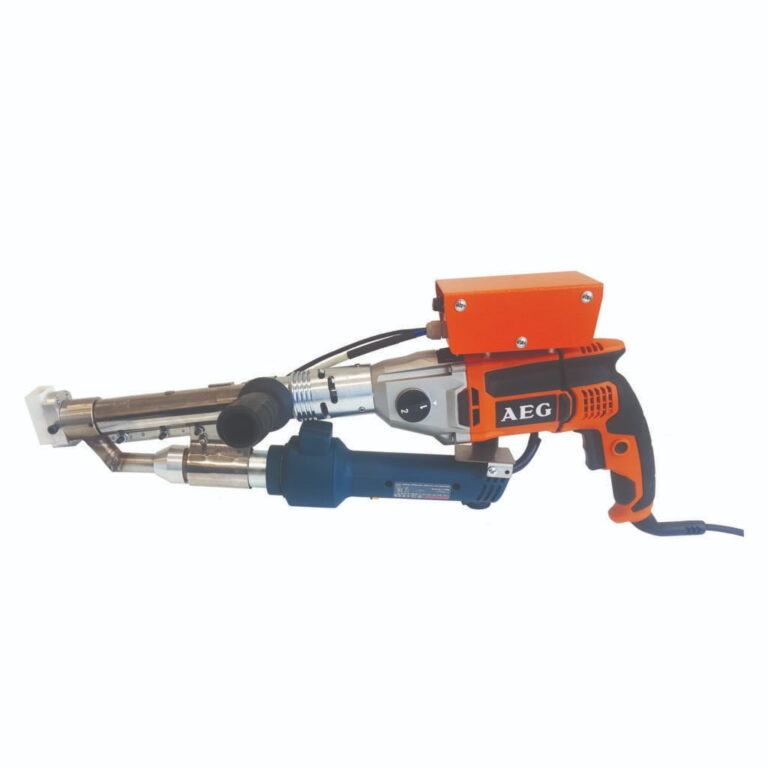
Manual extruder welding machine for FHW200 geomembrane and thermoplastic sheets
Review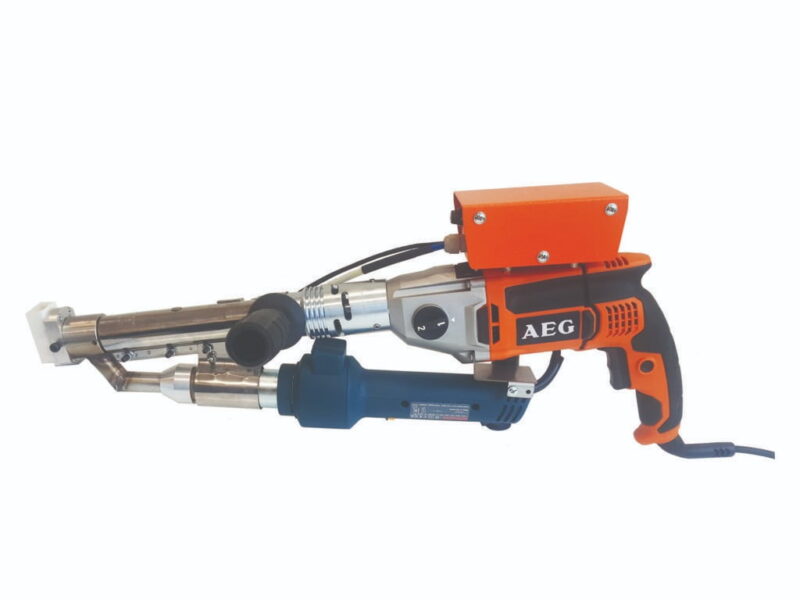
The hand extruder is a practical welding device that is portable for repair and welding work of PE and PP plastic materials, operating with precise rapid control.
ReviewIn this category, Fortiweld offers a hand extruder for the filler/extrusion welding of plastic surfaces, a welding machine for geomembrane applications, and a pressurized air test device for inspecting the lines. They are practical, portable solutions for the field and the workshop.
The manual extruder group, covers equipment designed to carry out thermoplastic welding processes in the field in a portable and manually guided manner. This category brings together hand extruders used in a wide range of areas from geomembrane insulation applications to plastic tank and pool manufacturing, from wastewater structures to repair works in harsh terrain conditions, as well as geomembrane welding machines and pressurized air test devices that verify the reliability of weld seams. Fortiweld manual extruder products are selected to provide both durability and ease of use by focusing on the field needs of professional teams.
A manual extruder is a hand tool that operates on the principle of extrusion (filler) welding. The device melts the thermoplastic material in the form of welding rod or granules internally to a paste consistency and presses this melt between the surfaces to be joined, forming a strong, continuous weld seam. At the same time, a preheating channel blowing hot air prepares the surface of the main material to welding temperature; thus a homogeneous integration is achieved between the molten filler material and the base material. Hand extruders are particularly preferred in welding thick sheets, corner joints and parts with complex geometries when a stronger, filler-rich seam is desired compared to the hot air method.
Geomembrane welding machines, on the other hand, generally operate on the automatic or semi-automatic dual seam (hot wedge) principle; they bring two membrane layers on top of each other and join them under controlled heat and pressure, leaving a test channel between them. The pressurized air test device measures the tightness of the seam by pressurizing this test channel, thus verifying the quality of the weld non-destructively.
There are three basic pieces of equipment under this category. Hand Extruder, offers the strongest solution for thick-section and angled joints requiring filler welding; it can be adapted from fine work to heavy manufacturing with different capacity and flow rate options. Geomembrane Welding Machine, is ideal for the fast and even joining of wide-surface membrane layers and provides efficiency on long seam lines. Pressurized Air Test Device is indispensable for the quality control of completed seams and provides tightness assurance before delivery.
The right equipment selection should be made according to the type of work, material thickness, working volume and field conditions. In projects with intensive and continuous welding, high-capacity models stand out, while in narrow areas and precision work, more compact and lightweight models come to the fore. For details such as the welding rod diameter, nozzle type and temperature range suitable for the project, we recommend reviewing the descriptions on the product pages or getting support from our technical team.
Fortiweld manual extruder products have been selected with professionals in mind who want to work safely for long hours in the field. Thanks to its durable structure, ergonomic design, and consistent performance, it delivers consistent welding quality even in challenging terrain conditions. Their portability allows teams to easily move between different construction sites; when used together with the compressed air test device, both production and quality control are completed within a single equipment family.
When you choose Fortiweld, you gain not just a device but a solution partnership that extends from selecting the right product to application support. You can review our product pages to determine the most suitable manual extruder, geomembrane welding machine, and testing equipment for your project, and contact our technical team for detailed technical information and recommendations. When the right equipment, the right application, and reliable quality control come together, every weld seam in the field turns into a long-lasting and leak-proof connection.
In extrusion welding, thermoplastic filler material is melted and applied to the joint area. In geomembrane welding, surfaces are joined with controlled heat and pressure. The pressurized air test verifies the leak-tightness of lines under pressure. For details on the use and suitability of each device, see the relevant product page; technical values vary by device.
Selection, to your application depends on: a hand extruder is suitable for filler/extrusion welding, a geomembrane welding machine for membrane and surface sealing, and a pressurized air test device for line control. Consider the material type and your site conditions. The Fortiweld technical team will help you determine the right equipment.
Share your diameter, pressure, and field conditions; the Fortiweld technical team will recommend the right solution for you within 48 hours.