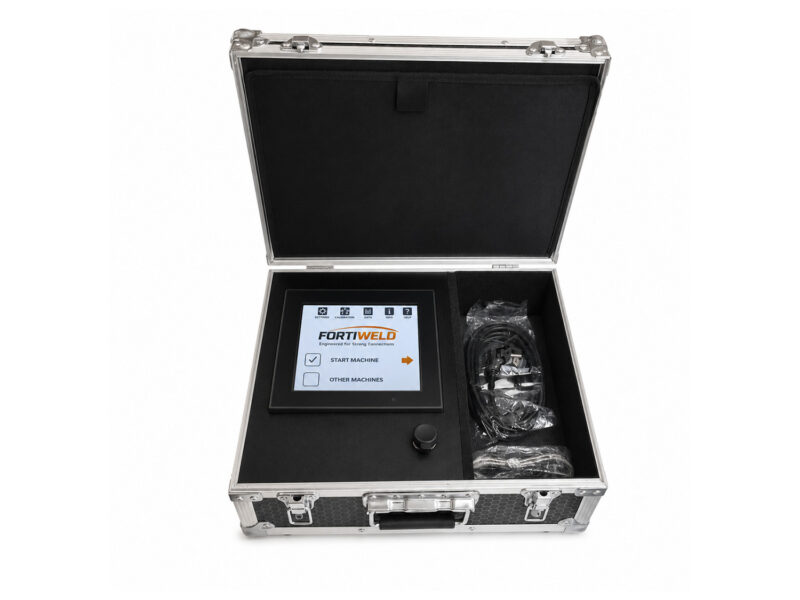
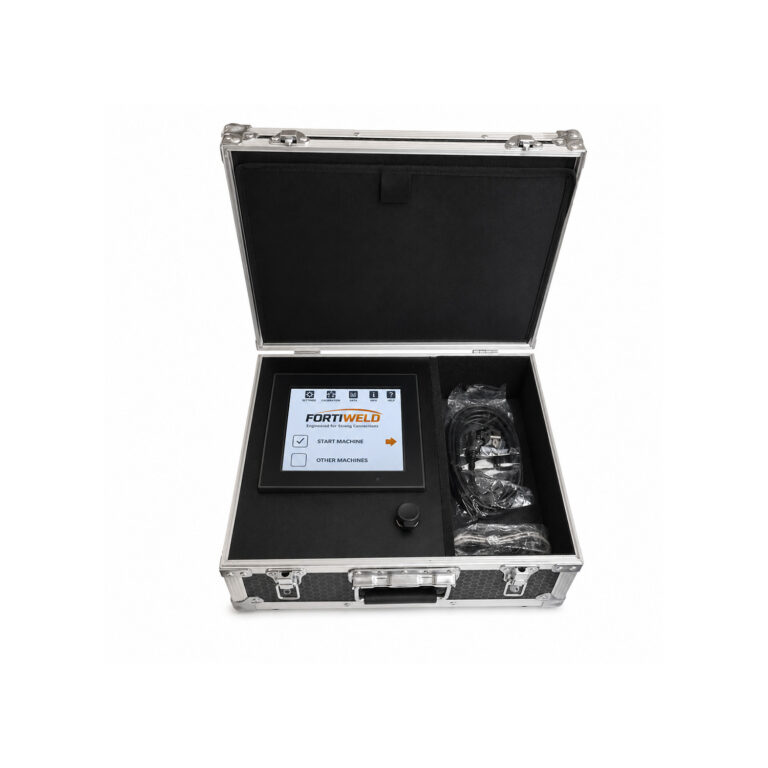
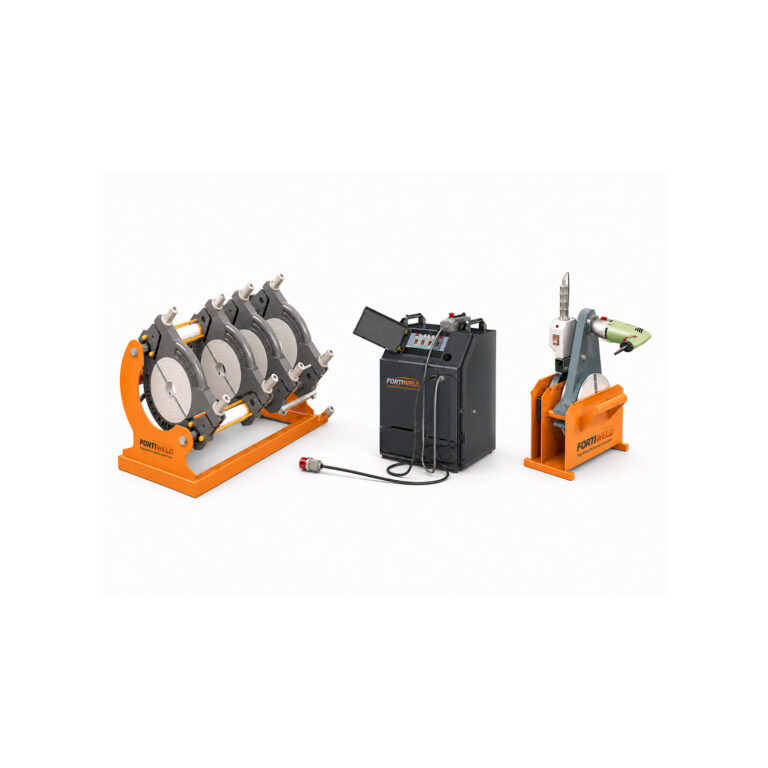
A data logger is a data recording device that digitally records, stores, and reports the parameters of each weld performed during the butt welding process. In the joining of HDPE pipelines, weld quality cannot always be fully assessed visually; therefore, recording the parameters generated during welding is of great importance in terms of traceability and quality assurance of the joint.
Fortiweld The Data Logger category offers the DL-FW Data Logger device to address this need and helps meet the documentation requirements particularly sought in public and infrastructure projects.
What Is This Category Used For?
The proper formation of a joint in butt welding depends on the correct execution of certain steps in the process. The data logger records the welding parameters of this process, allowing each weld to be reviewed retrospectively. Thus, the welding team, the engineers managing the project, and the inspecting parties can track, based on documentation, which weld was performed when, under what conditions, and with what values. This traceability both strengthens quality control processes and facilitates root cause analysis in the event of a possible problem. In short, the data logger transforms welding work into concrete, measurable, and reportable data.
Where Is It Used?
The use of a data logger is particularly prominent in projects with high standards and official documentation requirements. Drinking water lines, natural gas infrastructure, wastewater systems, municipal and public infrastructure investments, and large-scale industrial pipeline projects are areas where the documentation of welding records is frequently requested. In such projects, employers and inspection bodies may require every weld performed to be recorded and reportable. The data logger makes it possible to systematically collect the data generated in the field and transform it into reports that can be added to the project file.
DL-FW Data Logger and Application Range
The DL-FW Data Logger in this category is a data recording device used for recording and reporting data related to the butt welding process. In general, the benefits provided by data logger devices can be summarized under the following headings:
- Parameter recording — Digital collection and storage of data related to the welding process.
- Traceability — The ability to retrospectively track and associate each weld.
- Reporting — Conversion of records into reports suitable for project documentation.
- Quality control — Evaluation and inspection of the work performed based on documentation.
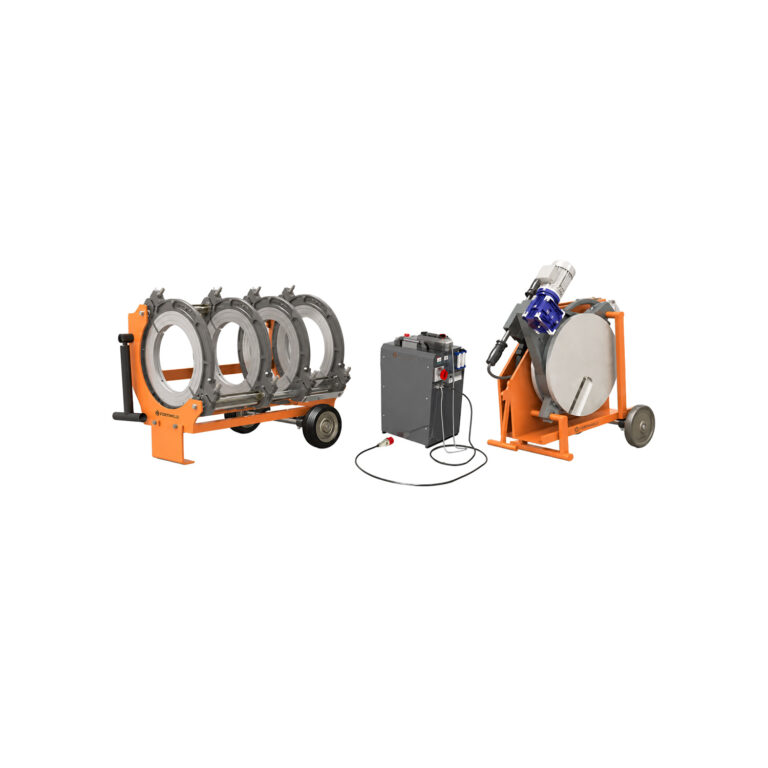
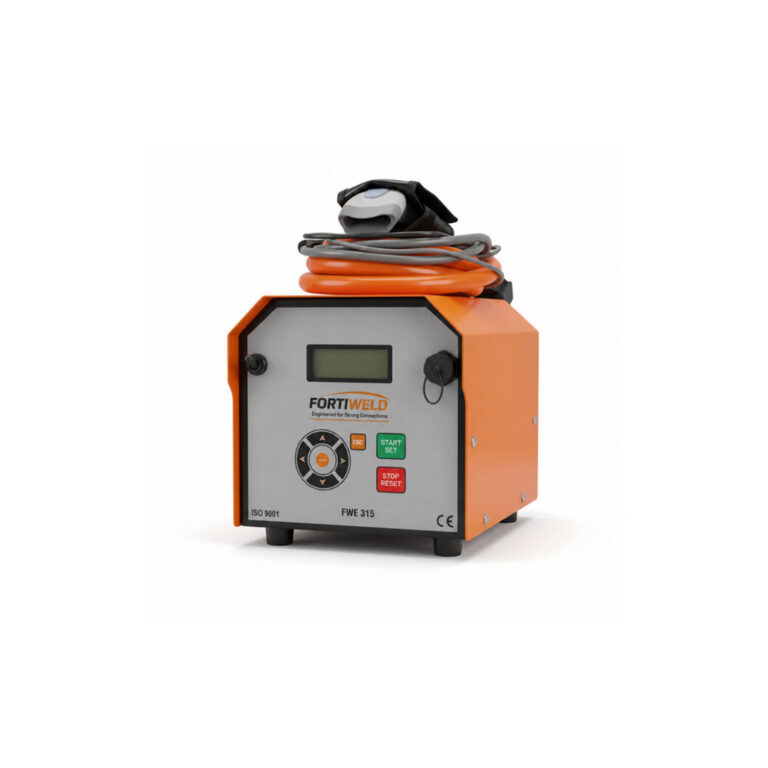
For technical details such as the data formats supported by the device, recording capacity, transfer methods, and compatible welding machine models, please review the product page or consult our technical team. The general purpose and operating logic of the device are explained here.
How to Make the Right Choice?
When selecting a data logger, it is first necessary to clarify your project's documentation requirements. If the employer or inspection authority requires welding records to be documented, a device that is compatible with your welding machine and meets your reporting needs should be preferred. Secondly, the number of welds to be performed in the field and how the data will be transferred and archived should be evaluated. In intensive and long-term projects, regular recording and easy reporting provide great convenience. To verify the compatibility between the butt welding machine you are using and the data logger, contacting our technical team will make it easier for you to make the right choice.
Usage Tips
- Before each weld, enter the required project, operator, and pipe information accurately; missing information reduces the value of the reports.
- Charge the device regularly or check the power source; do not experience a recording interruption in the middle of the field.
- Back up the records at regular intervals and add them to your project files.
- Keep the device clean and dry; check the connection cables and ports regularly.
- Before use, make sure the device is up to date and has the correct settings, and follow the manufacturer's instructions.
Why Fortiweld?
Fortiweld addresses welding quality as a whole, not only at the moment the work is performed but also through its subsequent documentability. The solutions in the data logger category are offered to transform the value generated in the field into permanent, reportable, and auditable data. Traceability and documentation both facilitate the delivery processes of your projects and concretely demonstrate the quality of the work performed. Fortiweld Data Logger solutions are designed with an understanding of reliability, ease of use, and compatibility with welding equipment for teams that want to meet the recording and reporting requirements sought, especially in public and infrastructure projects. With Fortiweld, you not only perform every weld correctly but also carry it into the future by documenting it.
Long-Term Value of Traceability
Keeping welding records regularly is valuable not only for immediate inspection but also throughout the operational life of the line. Being able to access past welding records during a potential maintenance or expansion work makes it easier for teams to make the right decisions. For this reason, the data collected with the data logger becomes a permanent part of the corporate archive upon project delivery and serves as a reference source for future works.