Butt welding continues to be the most widely used joining method in HDPE pipe systems; however, the success of the method largely depends on the operator's competence. No matter how advanced the technical equipment is, an operator who skips the preparation steps or incorrectly applies the process parameters produces unreliable welds. In this article, we discuss why operator training is critical, its theoretical and practical elements, common mistakes, the value of learning from the field, and the certification process.
Why Is Operator Competence Decisive?
The butt welding process consists of interconnected stages: heating, pressurization, and cooling. Since each of these stages can vary depending on material properties and environmental conditions, both the operator's technical knowledge and field experience are of great importance. Incorrect application can result in a weld that appears flawless on the surface but harbors weakness in its internal structure; such defects are only noticed during pressure testing or post-installation failure and lead to costly consequences. A competent operator eliminates these risks before they occur in the weld.
Combining field-acquired experience with theoretical knowledge turns the operator into an expert who can make the right and quick decision when faced with non-standard conditions. This balance is not achieved in a short time; it is built step by step through a conscious and regular training process.
Fundamentals of Theoretical Training
Material Knowledge and HDPE Behavior
The operator must understand the thermal properties of HDPE material. Knowledge of the temperature range at which it softens, how it responds to pressure, and how it behaves during cooling makes it easier to grasp the process parameters. How different densities and pipe classes may differ under welding conditions is also an integral part of theoretical training. Knowing how HDPE material is affected by moisture, UV rays, and chemical exposure contributes to correctly assessing field conditions.
Welding Standards and Procedures
Butt welding applications are evaluated under various national and international standards. The operator's ability to read and interpret the requirements of these standards and welding procedure documents enables healthy communication with project inspectors. Knowledge of the rules regarding when welding should not be performed or should be stopped is also a critical component of theoretical training. Being able to decide not to continue work under unsuitable conditions is related not only to technical knowledge but also to a sense of professional responsibility.
Equipment Familiarization and Safety
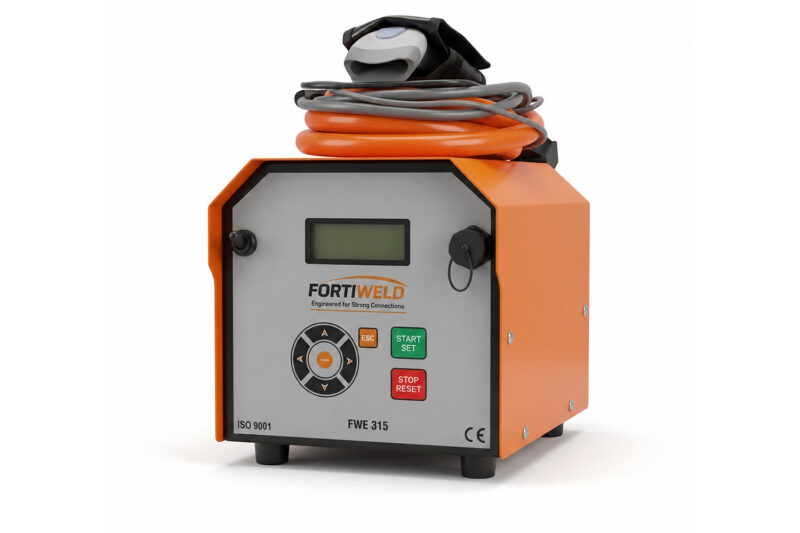
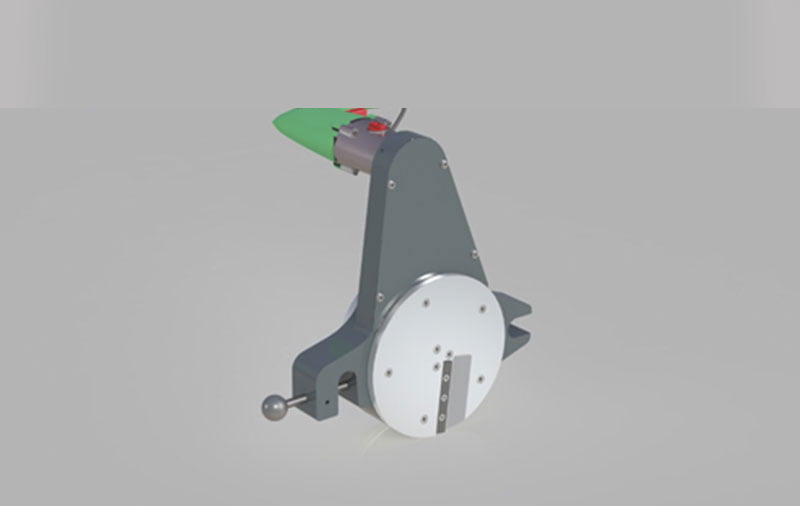
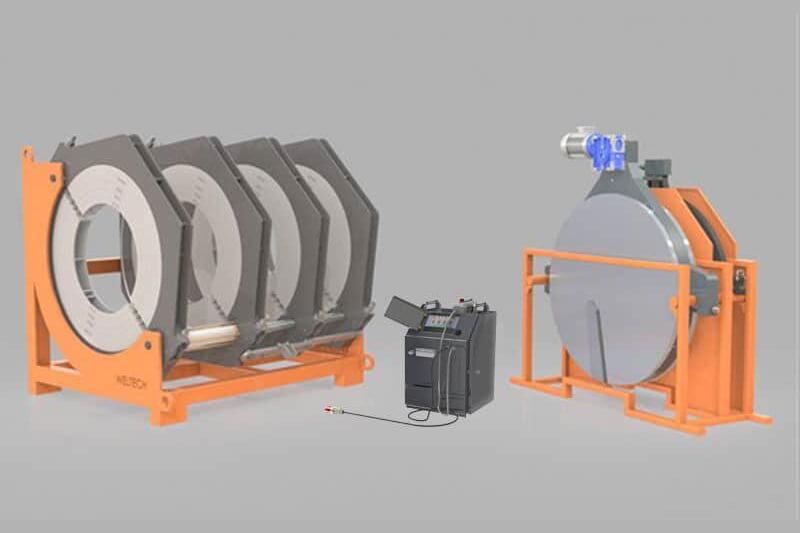
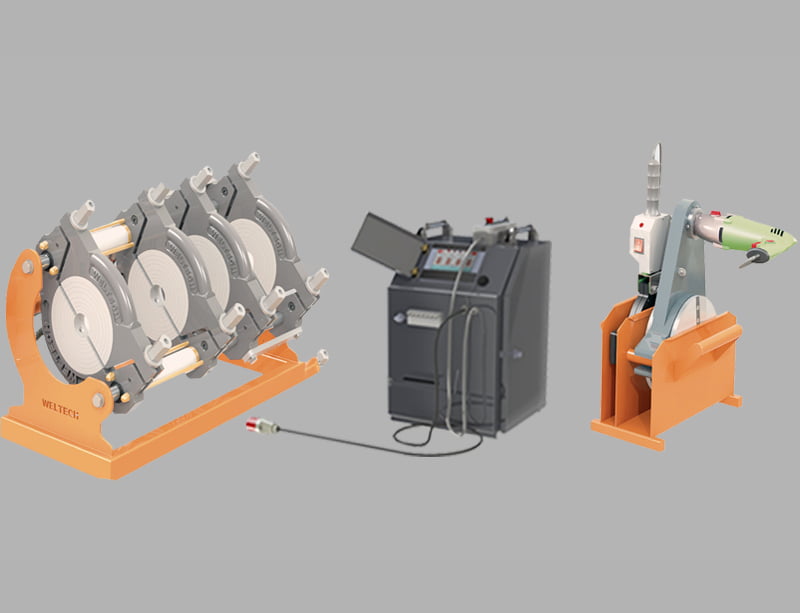
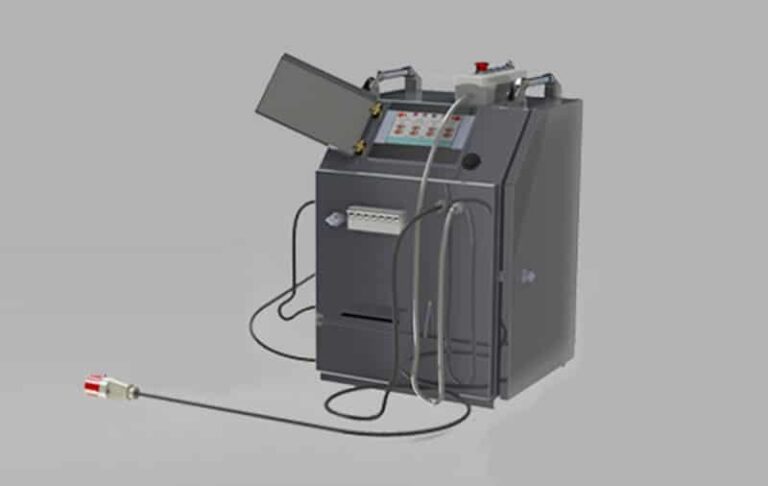
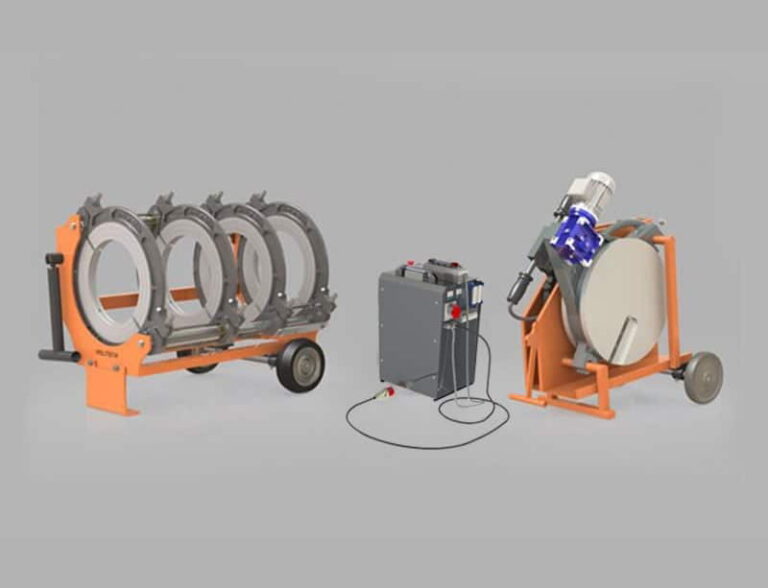
The function of machine components, recognition of fault symptoms, and safe operation procedures are indispensable elements of theoretical training. The operator must have a basic level of knowledge about the machine's heating plates, facing milling unit, fixing clamps, and control panel. This knowledge supports quick decision-making and safe operation under field conditions. Safe operating procedures protect not only personal safety but also the equipment's lifespan and weld quality.
Practical Training and Preparation Steps
Pipe Surface Preparation
The first stage of practical training is the correct preparation of pipe ends. Pipe ends should be flattened with the milling unit so that the welding surfaces become parallel and clean. After milling, the surfaces must be cleaned to prevent chips from entering the welding zone; care should be taken to ensure that the cloth or solution used for cleaning does not leave any residue on the surface. A negligence in surface preparation nullifies all subsequent steps; therefore, in practical training, this stage stands out as the section requiring the most repetition.
Alignment and Fixing
The correct alignment of pipe ends with the machine determines the weld geometry. Misalignment can cause problems on the inner axis as much as on the outer diameter mismatch; therefore, alignment should be verified both visually and with device support. Once the clamps are tightened, the fixation should not be released until the welding cycle is completed. Operators who want to shorten the fixation stage may overlook this step under time pressure; practical training reinforces this reflex in the right direction.
Heating Plate and Pressurization
It is important that the heating plate reaches the correct temperature and that this temperature is maintained stably. The plate is brought into contact with the pipe surfaces at a specific pressure; this contact duration and pressure value vary according to pipe diameter and material properties. When the plate is withdrawn, the movement speed and the joining pressure subsequently applied in the correct sequence and at the correct values directly affect weld quality. The transition speed between these stages can be applied correctly with the reflex gained through practice.
Cooling and Inspection Stage
After welding is completed, the connection must not be moved for a certain period, and the clamps must be kept fixed. This cooling time cannot be shortened; early release leads to permanent deformation. When cooling is complete, a visual inspection should be performed; visual abnormalities such as irregular bead formation, asymmetry, or discoloration should be noted. Visual inspection alone may not be sufficient; in suspicious cases, relevant test methods should be employed.
Common Mistakes
- Skipping surface cleaning after milling
- Starting the cycle without alignment check
- Using the heating plate before it reaches sufficient temperature
- Applying the plate withdrawal speed too slowly or too quickly
- Loosening the clamps before the cooling time has elapsed
- Failure to keep parameter records or keeping them incomplete
- Welding under adverse weather conditions without taking protective measures
Certification and Continuous Improvement
Butt welding operator certification both documents the operator's competence and provides assurance to the project owner. Certification programs include both theoretical examination and practical performance evaluation. After obtaining the certificate, regular refresher training and field audits ensure that the knowledge remains current and applicable. Additional training is recommended when working with new equipment or different pipe classes.
Certification is not a one-time goal; it is an ongoing commitment to quality. In parallel with the development of technology and standards, it is of great importance for the operator to update their knowledge for long-term career success and project safety.
The Role of Field Learning in Training
Theoretical knowledge and in-class practice form the operator's foundation; however, real learning is consolidated in the field. Working across different diameter ranges and in different ground and weather conditions shapes how the operator will respond to non-standard situations. Observation acquired by working alongside an experienced operator transfers practical knowledge not found in training materials. For this reason, having senior and new operators work in the same team on large projects is an effective approach that accelerates knowledge transfer, reduces the risk of error, and creates a consistent level of quality across the team.
Frequently Asked Questions
How long does butt welding operator training take?
Training duration varies according to the scope of theoretical modules and practical application hours. Generally, a basic course can range from a few days to a week; however, this duration may vary based on certification requirements. For detailed information, it is recommended to contact the relevant training institution.
Can an uncertified operator perform butt welding?
This depends on project specifications and relevant standards. While some projects require certified operators, supervised work may be sufficient in others. The project's technical specification is expected to be clear on this matter.
How should the heating plate temperature be checked?
The heating plate temperature can be measured with the digital indicator on the machine or with an approved contact thermometer. The correct temperature value is determined according to the pipe material and diameter; for this value, the machine and fitting manufacturer's documents and the technical team should be taken as a guide.
What does the appearance of the weld bead say about quality?
A regular, symmetrical bead formed within a specific size range is the visual indicator that the correct parameters have been applied. An asymmetrical, too small, or too large bead may be a sign of inappropriate pressure, temperature, or duration; however, the final quality assessment should be made with visual inspection and, if necessary, with non-destructive testing methods.
How is butt welding application affected in cold weather?
Low ambient temperature accelerates heat loss and changes the thermal behavior of the pipe material. Under these conditions, the manufacturer's cold weather guide should be taken as the basis, and if necessary, protective measures (tents, barriers) and parameter adjustments should be applied.
Safe Welding Application with Fortiweld Equipment
When operator competence is combined with the right equipment, the butt welding process becomes fully reliable. Fortiweld hydraulic butt welding machines and CNC hydraulic butt welding machines, is designed to support operators of different experience levels in applying the correct process. For selecting equipment suitable for your project, guidance on operator training, and technical support, from our contact page you can reach our experts.