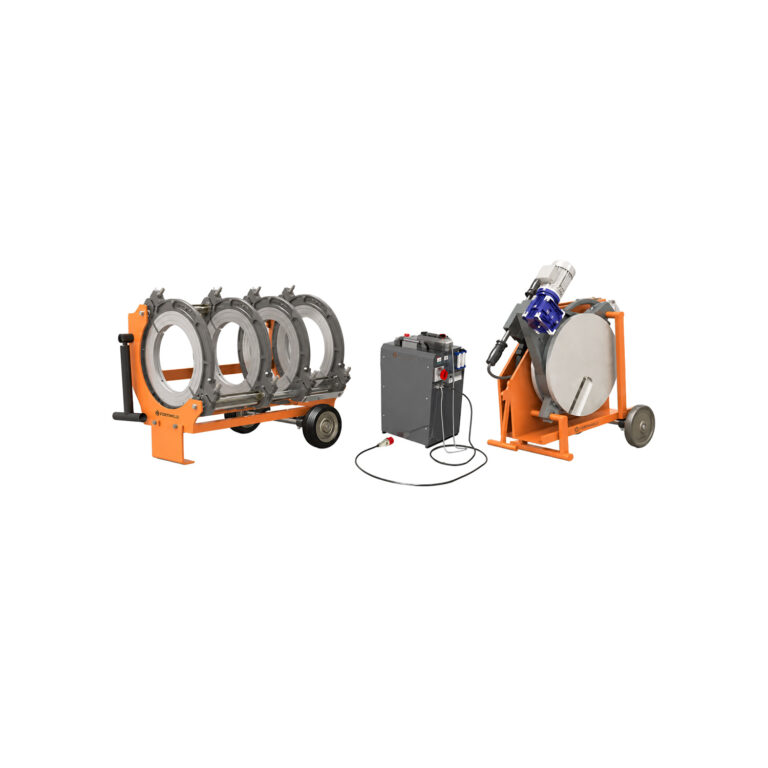
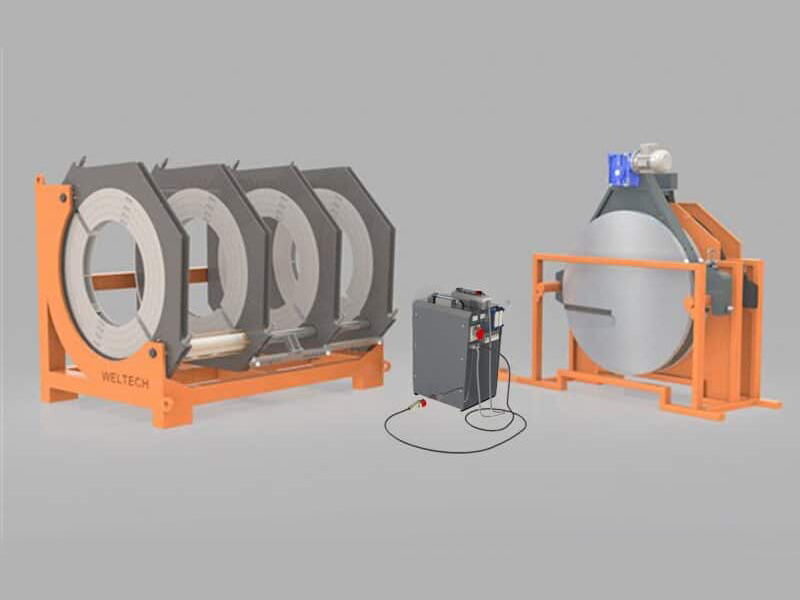
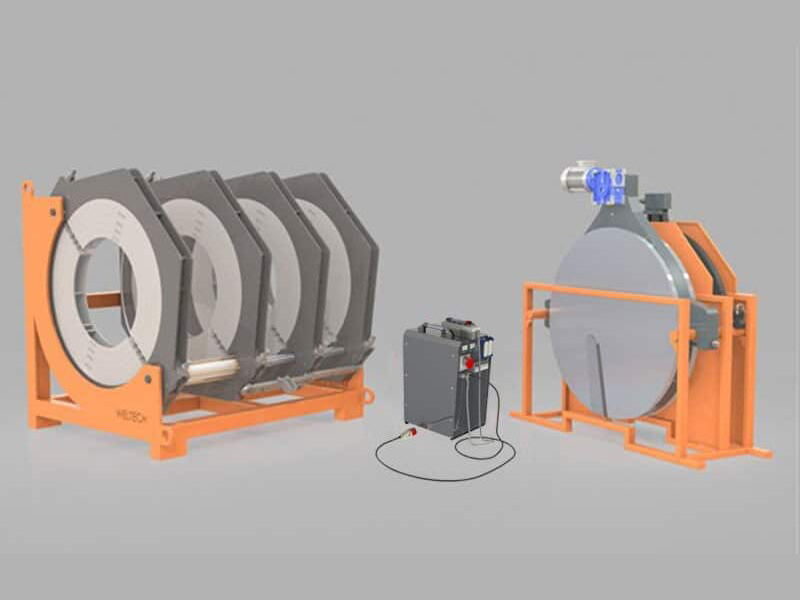
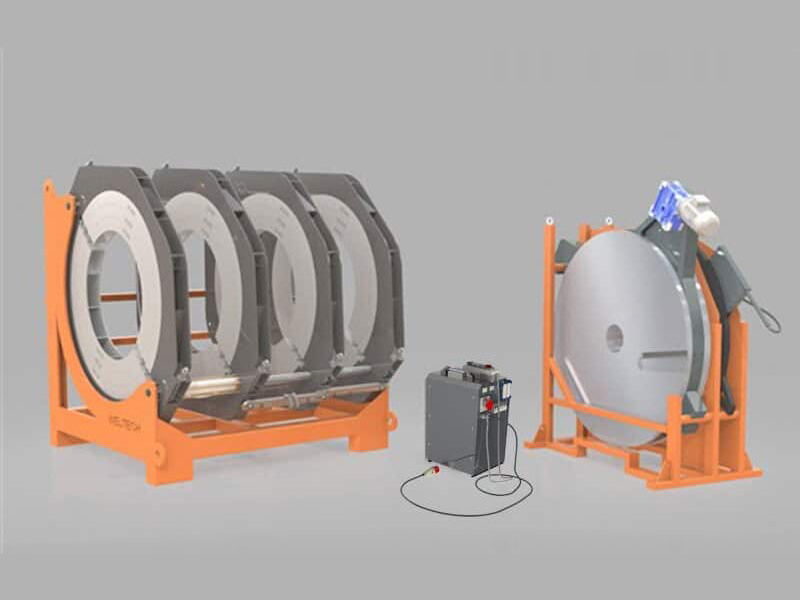
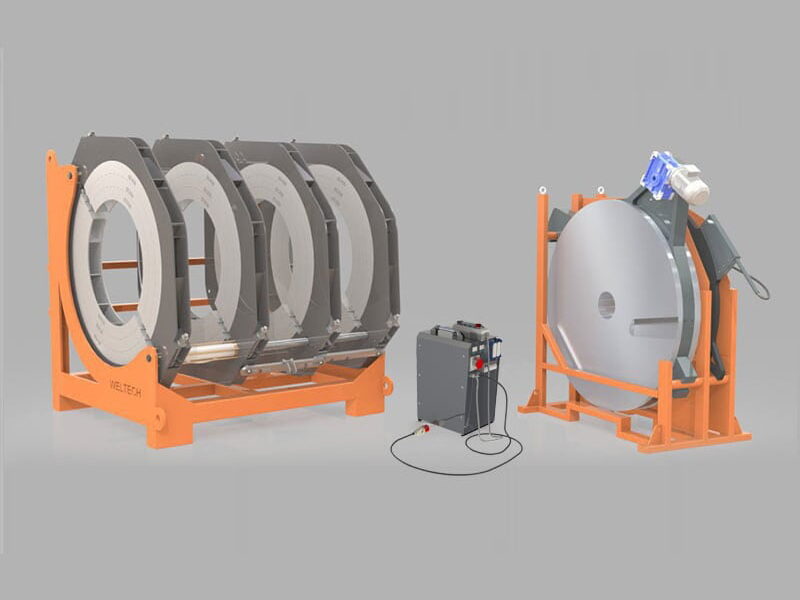
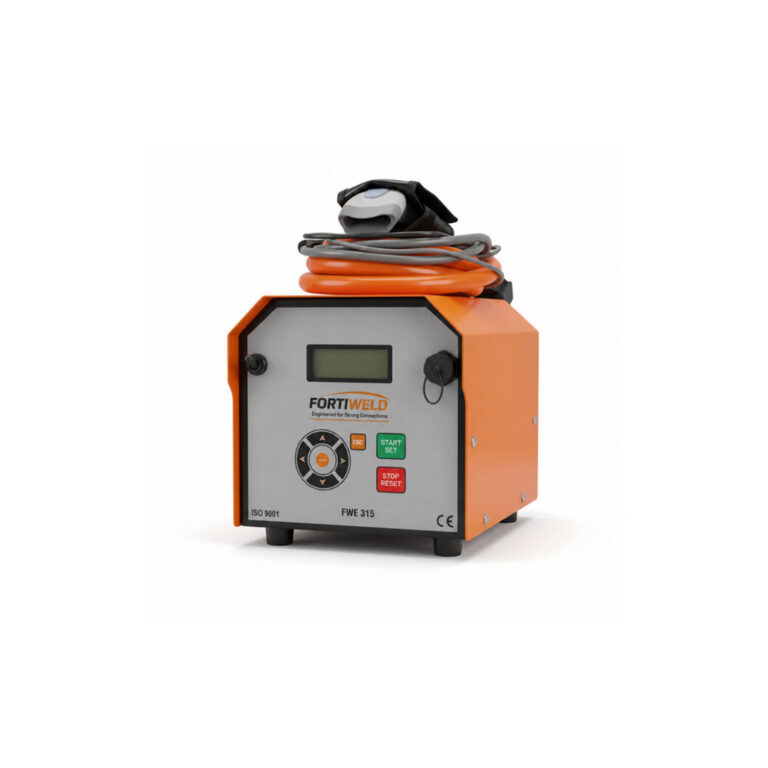
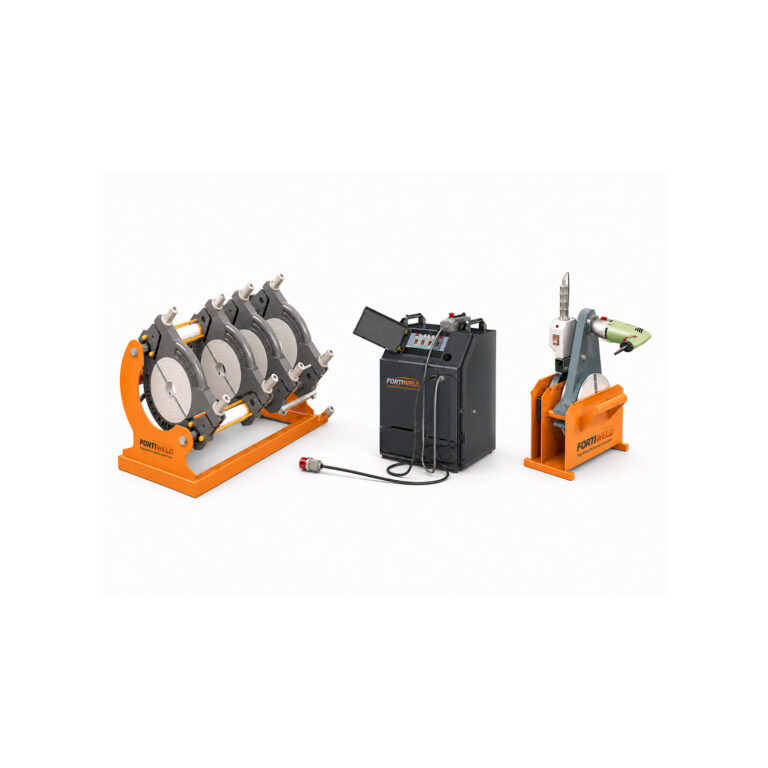
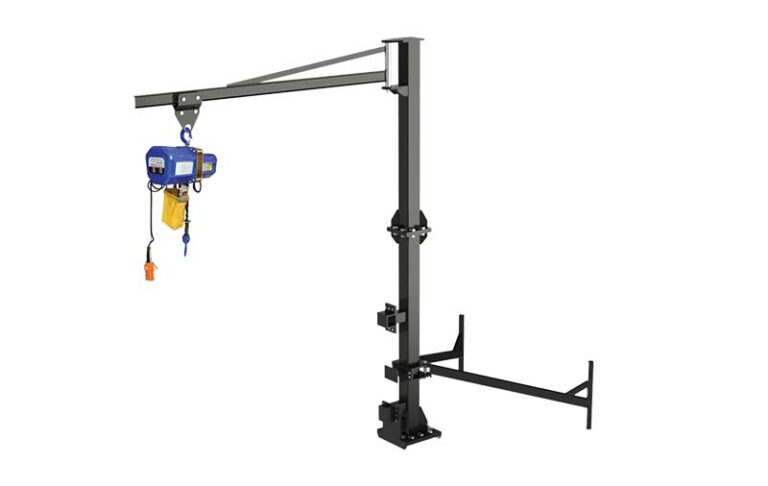
Hydraulic butt welding machines are powerful welding equipment that join high-density polyethylene (HDPE) and other thermoplastic pipes end-to-end using a hydraulic pressing system. In these machines, the joining pressure is generated by a hydraulic unit; thus, even on large-diameter and thick-walled pipes, a smooth, homogeneous, and leak-proof weld is achieved. The Fortiweld hydraulic butt welding series is designed to cover both manual hydraulic solutions that do not require full automation and high-capacity industrial models. Water and gas transmission lines, irrigation systems, industrial plumbing, and infrastructure projects are the main application areas of these machines.
How Does Hydraulic Butt Welding Work?
The basis of butt fusion welding is the fusion of two pipe ends with a heater plate and joining them together under controlled pressure. In machines with hydraulic systems, this pressure is applied through hydraulic cylinders instead of mechanical arms. The process generally consists of the following steps: facing and aligning the pipe ends with a trimmer, melting the surfaces by contact with the heating plate, withdrawing the plate, and then applying the joining pressure and keeping it constant until the weld cools. Hydraulic pressing precisely provides the high and balanced force required especially for large diameters. While in manual hydraulic models the pressure values are monitored by the operator via a manometer, the stability of the process is maintained thanks to the smooth and controlled thrust provided by the hydraulic unit.
Where Is It Used?
Hydraulic butt welding machines are preferred in every area requiring non-detachable and long-lasting pipe connections:
- Installation of drinking water and wastewater transmission lines.
- Natural gas and other gas distribution infrastructures.
- Agricultural irrigation and drainage systems.
- Chemical and process piping in industrial facilities.
- Mining, energy, and municipal infrastructure projects.
The common point of these application areas is the expectation that the connection has the same durability as the pipe itself; properly performed butt welding achieves exactly that.
Model Range
The Fortiweld hydraulic butt fusion welding series offers a wide range, from manual solutions to large-diameter industrial models:
- MHTW160 (Manual Hydraulic) — an economical and portable manual hydraulic solution for small-diameter pipes; provides practical use in the field.
- W400M (single-phase) — medium diameter range; offers generator and grid flexibility with single-phase power supply option.
- W500, W630, W800 — high-capacity models for medium-to-large diameter water and gas pipelines.
- W1000, W1200, W1600, W2000 — top-segment machines for very large-diameter industrial and infrastructure projects.
All models belong to the Plastic Pipe Hydraulic Butt Welding Machine family. The model number is related to the approximate pipe diameter range the machine can work with; the exact operating range and technical specifications of each machine are stated on the relevant product page.
How Should You Choose the Right Model?
The first step in selection is to determine the pipe diameter and wall thickness range you will work with most frequently on site. If you need small-diameter and low-frequency welding, a manual hydraulic model (MHTW160) may be sufficient and economical. For larger diameters and high work volumes, high-capacity models increase work speed and quality consistency. In sites where mains electricity is limited, the single-phase option (W400M) makes it easier to work with a generator. Transport conditions, team size and budget are also factors that affect the selection. To make sure which model is most suitable for you, it is recommended to consult the Fortiweld technical team.
Maintenance and Usage Tips
Regular maintenance is essential for reliable welding in machines with hydraulic systems:
- Periodic inspection of the hydraulic oil level and hose connections; vigilance against signs of leakage.
- Keep the heating plate surface clean, scratch-free, and free of residue.
- Keeping milling blades sharp; dull blades fail to produce a smooth surface.
- Storing the machine in an environment protected from moisture, dust, and impact.
These precautions both extend machine life and maintain weld reliability. Performing a comprehensive general inspection before periods of intensive use prevents unexpected downtime on site. It is also beneficial for business continuity to procure spare milling blades and basic consumables in advance. Informing operators about welding parameters and safe usage directly contributes to consistent quality.
Why Fortiweld?
Fortiweld adopts a production approach that prioritizes field requirements in HDPE butt welding technology. The hydraulic butt welding series targets stable performance under demanding field conditions with its precise pressure control and durable structure. The wide range, extending from manual hydraulic to large-diameter industrial models, ensures that a suitable solution can be found for businesses of every scale. Accurate pre-sales guidance and after-sales technical support are the cornerstones of Fortiweld's understanding of reliability. When the right machine, regular maintenance, and technical support come together, your pipelines serve seamlessly for many years.