HDPE pipe in natural gas lines its use has increasingly become a preferred solution in today's infrastructure projects in terms of reliability, longevity, and low operating costs. While the role of polyethylene pipes in gas distribution systems strengthens with each passing year, transferring all these advantages to the field largely depends on the quality of the connection, and therefore on the welding method applied and the equipment used. An incorrectly or non-standard weld can render all the pipe's advantages ineffective.
Why Is HDPE Pipe Preferred in Natural Gas Lines?
Natural gas distribution lines are systems that operate under continuous pressure, are exposed to ground movements and chemical effects, and are expected to function safely for many years. HDPE (high-density polyethylene) pipes have many properties that meet these requirements:
- Flexibility and impact resistance: Instead of cracking in the face of ground settlement or slight seismic movements, it bends and retains its shape; this feature is especially critical in active soil zones.
- Corrosion resistance: Unlike steel and cast iron pipes, HDPE pipe does not rust or degrade against soil moisture, acidic environments, or electrochemical currents; it does not require a cathodic protection system.
- Leak-tightness: Weld connections made with the correct method form a homogeneous structure with the pipe wall. The potential leakage risk created by mechanical connection points such as flanges, clamps, or gaskets is thus eliminated.
- Lightness and easy installation: Compared to steel or concrete alternatives, the weight advantage facilitates handling and laying operations in the field; this in turn reduces total labor costs.
- Long service life: HDPE lines installed with standard-compliant materials and workmanship can operate for decades with minimal maintenance. This makes the initial investment appear much more reasonable when maintenance costs are taken into account.
In Turkey, national and international standards have been established for polyethylene pipe systems used in natural gas distribution projects. Among these standards, EN 12201 (pressurized plastic piping systems — water and gas applications) is a widely referenced document internationally. The technical class and specifications required for each project vary depending on application conditions; you can access current values from the product technical data sheet or by consulting the Fortiweld technical team.
Welding Methods Used in Natural Gas HDPE Pipe Connections
Line safety largely depends on the quality of the welded connection. Two fundamental methods are used in natural gas infrastructure: butt fusion welding and electrofusion welding. Both methods have their own unique advantages and application conditions in which they are most efficient.
Butt Fusion Welding Method
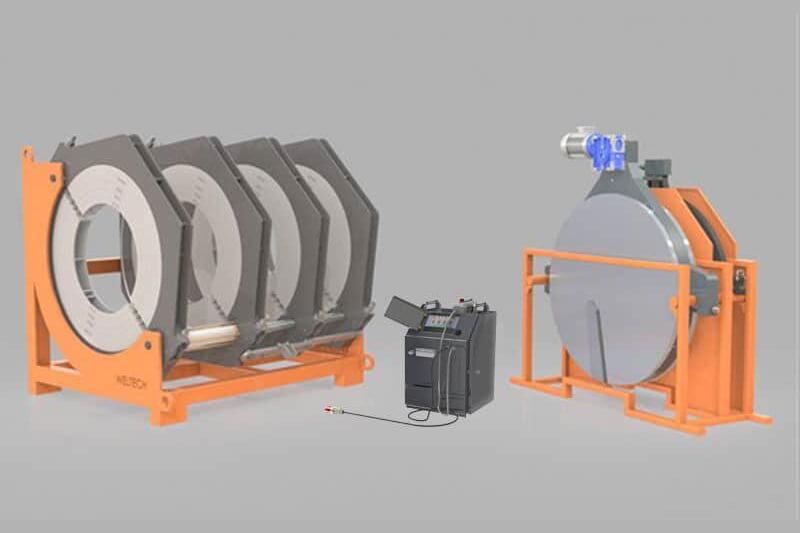
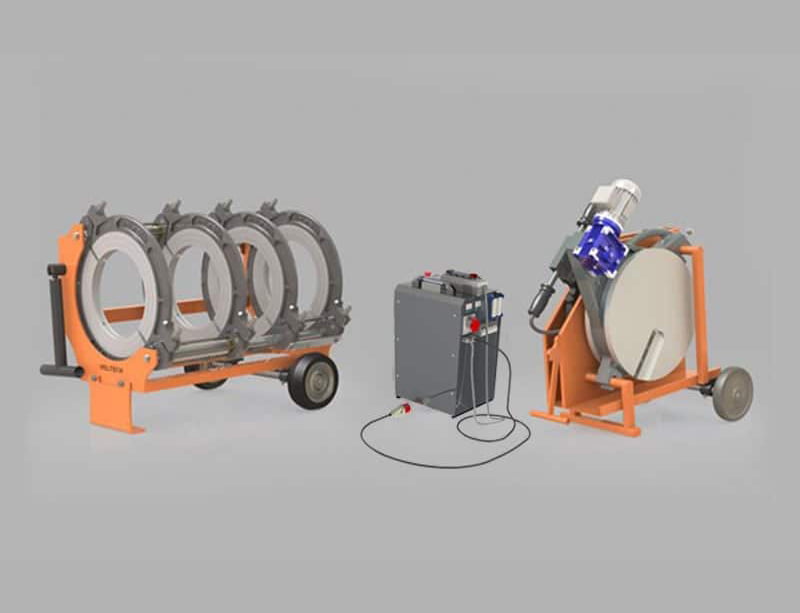
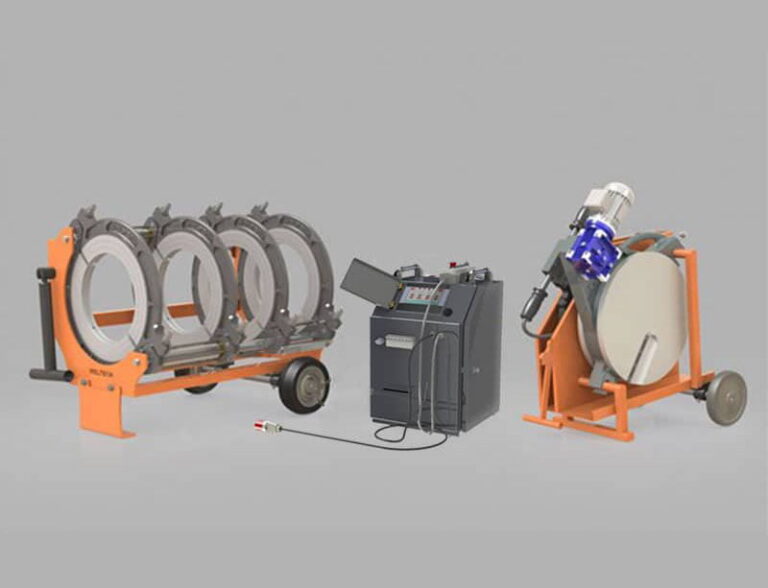
The butt fusion welding method is based on joining the ends of pipes or fittings under controlled heat and pressure. It is the most commonly preferred connection technique for large-diameter main lines and long-distance open-area installations. The process consists of the following basic steps:
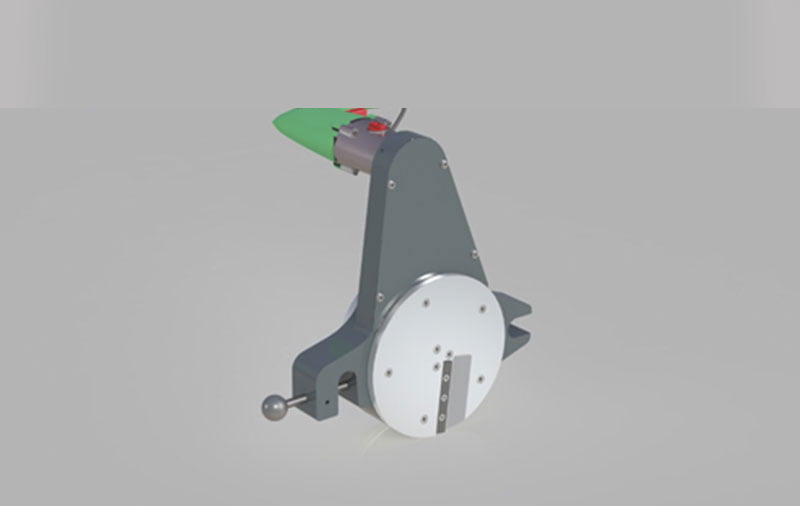
- Bringing the pipe ends to a perfectly flat surface using a planing tool
- Holding the pipe ends in contact with the heating plate to reach a specified temperature
- After the plate is quickly withdrawn, joining the pipe ends and maintaining pressure throughout the cooling period
- Achieving a homogeneous connection once cooling is complete
Each step of this process depends on the precision of the welding machine and the operator's experience. However, the calibration and reliability of the equipment control parameters that even the most experienced operator cannot intervene in externally. Fortiweld hydraulic butt welding machines, is designed to consistently provide the precise pressure and temperature control required in natural gas projects, even under challenging field conditions.
Electrofusion Welding Method
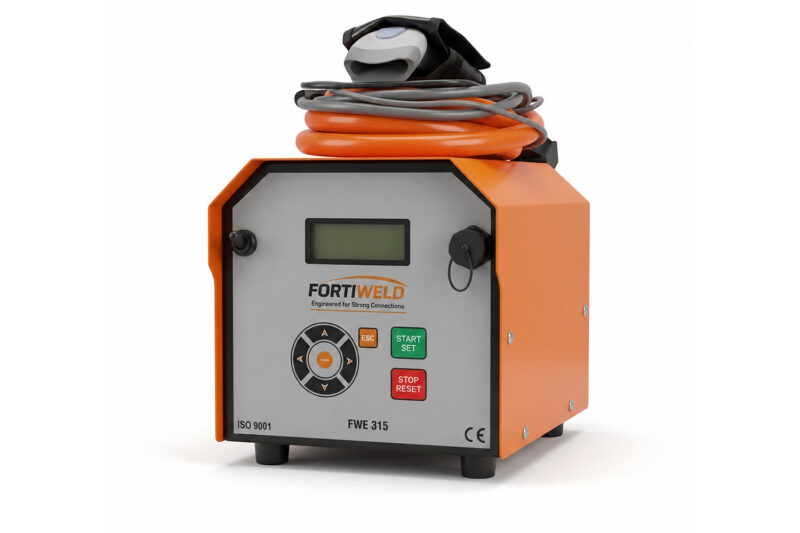
The electrofusion method is preferred for narrow spaces, existing line repairs, branch connections, and small-diameter joints. The resistance wire inside the electrofusion fitting is heated by electric current; it merges with the melted polyethylene pipe surface to form a leak-proof and mechanically strong connection. The greatest advantage of this method in natural gas lines is that it provides reliable results even in conditions such as hardened ground, restricted working space, or work on existing lines.
Fortiweld electrofusion welding machines, helps minimize operator-related errors with barcode reader integration and automatic welding parameter setting. At the same time, the data logger support that digitally stores every record reflects welding traceability in project documentation.
Safety and Quality Requirements in Natural Gas Line Welding
In natural gas infrastructure, welding quality is not only a technical requirement but also a legal and public safety obligation. The key factors that companies and contractors working in this field must consider are as follows:
- Certified operator: Polyethylene pipe welders are expected to hold the relevant occupational qualifications; specific professional standards are applied in this regard both in our country and across Europe.
- Equipment calibration and maintenance: Periodic calibration of the welding machine and proper maintenance record keeping is the most effective way to prevent potential welding errors in advance. A weld made with an uncalibrated machine may appear flawless under visual inspection but can create a weak point under mechanical testing.
- Welding records and traceability: Data logger supported machines record the temperature, pressure, and duration parameters of each weld with time stamps. This data is both submitted as documentation during project delivery and holds critical value in terms of traceability after a potential issue.
- Environmental conditions management: External factors such as wind, precipitation, or extreme cold can negatively affect welding quality. Welding should not be performed in harsh weather conditions without appropriate tents, heaters, or protective measures in accordance with standards.
- Line pressure test: The completed line section must undergo a pressure test in accordance with authorized procedures before being commissioned. This test detects micro leaks that cannot be seen with the naked eye at an early stage.
Frequently Asked Questions
In which diameter range is HDPE pipe used in natural gas lines?
Natural gas distribution projects range widely from small-scale domestic connections to large-scale main distribution lines. We recommend consulting the Fortiweld technical team or reviewing the relevant national standards to select the appropriate diameter and class (SDR) for your project.
Should butt welding or electrofusion welding be preferred?
Both methods are applicable in natural gas applications. Butt fusion is advantageous in terms of efficiency for large-diameter and long lines in open areas. In narrow and confined spaces or for existing line repairs, electrofusion offers a more practical solution. In some projects, both methods are applied together.
What does the EN 12201 standard mean for natural gas applications?
EN 12201 is an international standard prepared for pressurized plastic piping systems; it covers drinking water and gas applications. The technical values specified in the standard vary depending on the product type and class; please refer to the Fortiweld product page or technical team for specifications.
Is welding performed without a data logger accepted in a natural gas project?
This depends on the project specifications and relevant legislation. Many public infrastructure projects require digital recording of welding parameters. The use of equipment supported by a data logger both facilitates audit processes and ensures traceability in case of potential issues.
Which HDPE pipe diameter range do Fortiweld machines weld?
The Fortiweld product range covers a wide range of diameters. You can review our product pages or contact our technical team to determine the correct model according to the diameter and pressure class required by your project.
Correct Equipment Selection Directly Affects Line Safety
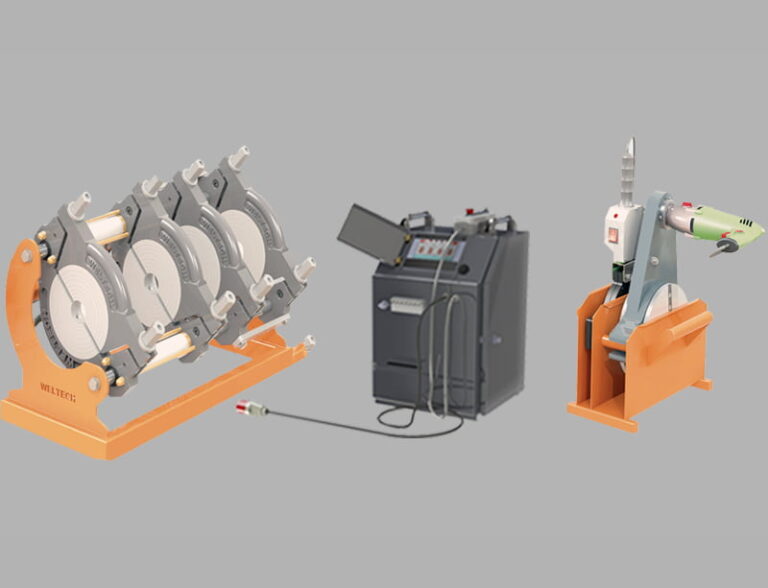
In natural gas projects, pipe diameter, line length, operating conditions, and project duration are the key variables that determine which welding equipment to use. While portable mechanical machines may be sufficient for small and medium-diameter lines, large-diameter and high-volume projects require CNC-controlled hydraulic systems. In projects where the diameter range is wide or multiple teams work simultaneously, equipment planning must be meticulously carried out at the start of the project.
We recommend consulting with our technical team to correctly determine which equipment is suitable for your project. As Fortiweld, we transfer the experience we have gained over the years in natural gas, water, irrigation, and industrial HDPE line projects to the machines and fittings we manufacture. For project-specific technical support and product selection our contact page visit.