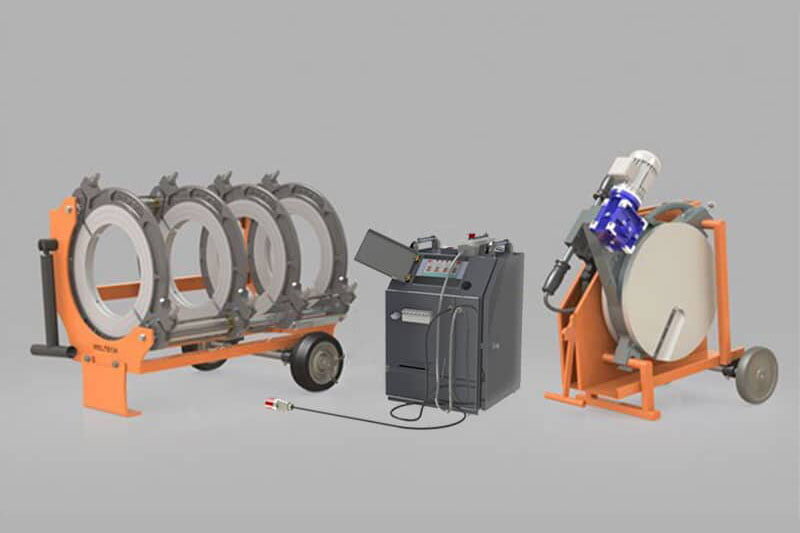
The data logger, forms the digital backbone of quality assurance in HDPE pipe welding processes. Integrated into modern welding machines, this system automatically records the parameters of each welding operation, enabling both instant inspection and long-term traceability. Many projects and tenders now explicitly require record-keeping; this shifts the use of data loggers from a technical preference to a necessity. In this guide, we will examine what a data logger welding report does, what information it contains, and how this data should be correctly interpreted.
What Is a Data Logger and What Does It Do?
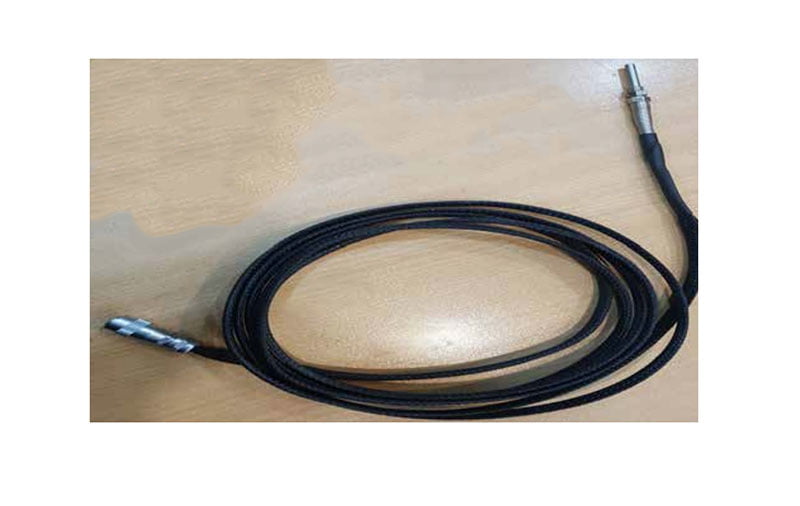
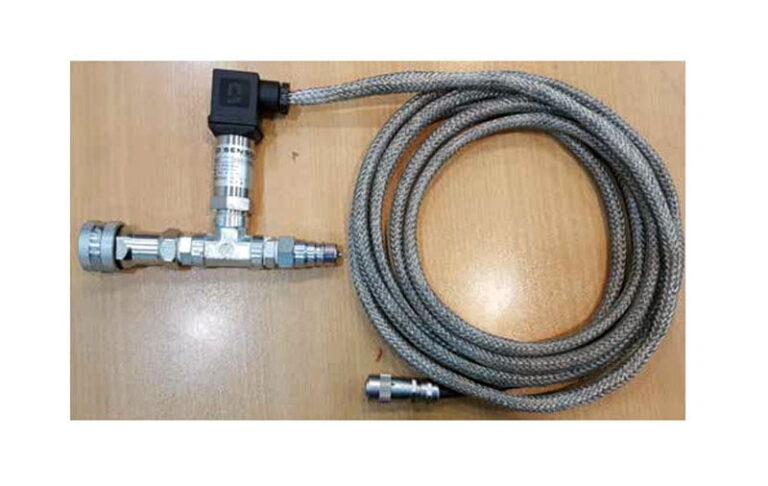
A data logger is a digital recording unit integrated into the welding machine or connected externally. Throughout the entire period from the start to the end of the welding operation, it measures the machine's behavior and the relevant parameters, keeping time-stamped records. The raw data obtained is processed and turned into a welding report. This report holds value for three different purposes:
- Instant feedback to the operator: It provides an opportunity to intervene by issuing a warning when parameters go out of tolerance.
- Project document: It creates a technical document that can be added to the delivery file by recording every completed weld.
- Long-term traceability: It provides archive data that can be queried in the event of possible damage or leakage.
The use of data loggers has become a standard expectation in project types such as municipal water network renewals, natural gas distribution lines, large-scale irrigation infrastructures, and industrial pipelines. Any contractor that takes its own quality management system seriously incorporates data recording into its routine practice, even when it is not a tender requirement.
What Information Is Included in a Welding Report?
The scope of the data logger output may vary depending on the machine model, the software used, and the project specifications. Nevertheless, a comprehensive welding report generally includes the following groups of information:
- Identity and date information: Weld sequence number, operator ID, machine serial number, and weld date and time. This field directly documents who welded with which machine and when, clarifying the chain of responsibility.
- Pipe and material information: Pipe diameter, wall thickness or SDR value, material class, and pipe or fitting barcode or lot number if available. In some systems, scanning the electrofusion fitting's barcode automatically loads the welding parameters.
- Heating phase parameters: Heating plate temperature, heating time, and pressure values applied during this phase. Insufficient heating temperature means inadequate melting; excessive temperature can degrade material properties.
- Joining and cooling parameters: Heating plate removal time (which should not be too long), joining pressure, and cooling time. The tolerance of each depends on the material class used and the pipe diameter.
- Ambient conditions: In advanced systems, ambient temperature is also recorded. This data is used in calculating the cooling time and documenting external factors that may affect weld quality.
- Result status: A notification regarding whether the record was completed in full or whether any parameter fell outside the predefined tolerance range. Records containing tolerance violations are flagged with a warning or error code in most systems.
Correctly Interpreting the Welding Report
For a weld report to be meaningfully evaluated, the reference values for that operation must first be known. These references are found in the technical data sheet of the fitting or pipe manufacturer, or in the welding standard on which the project is based. The main points to consider when reading the report are as follows:
Whether Parameters Are Within the Tolerance Range
It should be checked whether the temperature, pressure, and time values at each phase remained within the specified range. If the heating temperature was insufficient or the joining pressure was applied too low, the weld strength may fall below the desired level. On the other hand, excessive pressure can cause beading on the pipe's inner surface and flow restriction. Records containing out-of-tolerance values are usually flagged in the report as a warning or error notification and require further examination.
Watch Out for Time Inconsistencies
A delay in the removal of the heating plate or moving the line before the cooling time is completed can seriously affect weld quality negatively. The data logger records these times with minute and second precision. If there are time values significantly outside the expected range in the report, that weld needs to be evaluated separately.
Operator and Machine Identity
Each record shows which operator performed the operation with which machine. In large projects where multiple teams work, this information makes it easier to determine whether quality issues are systematic — related to a specific team, operator, or machine — or coincidental. If there is consistent deviation in records from the same machine, the equipment calibration should be questioned.
Frequently Asked Questions
Does every welding machine have a data logger?
Each welding machine may not be equipped with a data logger as standard. In some models, this feature is built-in, while in others it is provided as an external data logger accessory. If your project specification includes a recording requirement, it is important to verify the presence of this feature in advance when selecting equipment.
How long should data logger reports be kept?
The retention period varies depending on the type of project and the relevant standard or contractual requirements. While archiving records for many years is a common practice in infrastructure projects, it is recommended that you refer to your project specification or the relevant regulations.
What should be done if the welding report contains out-of-tolerance values?
For records containing out-of-tolerance values, the cause must first be determined: is it an equipment malfunction, an operator error, or an external condition? Depending on the source of the problem, corrective steps such as equipment calibration, operator training, or redoing the weld point are taken. In case of serious deviations, the area in question may need to be renewed.
How is a data logger report shared digitally?
Modern data logger systems produce records in formats that can be transferred to a computer via USB, Bluetooth, or a software interface. This allows records to be included in the project archive, delivered to the customer, or shared with audit authorities.
Is a data logger also used in electrofusion welding?
Yes. Electrofusion welding machines can also record data such as welding current, time, and fitting barcode information. Scanning the fitting barcode enables the automatic loading of the manufacturer's welding parameters for that part, offering significant advantages in terms of both accuracy and traceability.
The Contribution of the Data Logger to Quality Control and Traceability
Digitally archiving welding data creates a comprehensive set of documents that hold value even in the post-delivery period of the project:
- Technical evidence in damage assessment: In the event of a possible leak or line damage, the welding record helps quickly and objectively determine whether the source of the problem is related to the welding point or another cause. This feature protects both the contractor and the project owner.
- Tender and audit document: Many public and private tenders require records of all welding points to be provided upon delivery. The data logger automatically meets this requirement and creates no additional administrative burden.
- Training and process improvement: Bulk report analysis reveals under what conditions — which diameter, weather, or operator — more deviations occur. This data provides concrete input for operator training programs and process standardization efforts.
- Warranty and liability management: Documentation of welding quality clarifies the boundaries of responsibility between the contractor and the material supplier during disputed periods.
Fortiweld data logger products are designed to work integrated with butt fusion and electrofusion machines. Reports can be exported in standard digital formats; while the field team can perform instant checks, the project manager can access all records through the central archive.
In large-scale projects requiring high precision and comprehensive data recording, Fortiweld CNC hydraulic butt welding machines, presents the recording process as an integral part of the welding operation; every step is automatically measured, time-stamped, and documented. Transferring the record-keeping process to the machine instead of leaving it to the operator eliminates the risk of incomplete or incorrect records caused by human error.
For technical support regarding welding reporting system setup, data logger selection, or integration with your existing equipment, contact the Fortiweld technical team.