HDPE welding technology, is rapidly transforming with the principles of automation, data analytics and connectivity brought by the Industry 4.0 paradigm. Welding processes that traditionally relied on the observation and manual skills of experienced operators are being redefined with CNC control systems, digital parameter management and real-time data logging. This transformation does not only mean an increase in efficiency; it also creates a quality assurance framework that documents each welding operation, is traceable and can be continuously improved. For project owners of every scale who invest in HDPE pipe infrastructure, understanding this technological transformation is gaining increasingly strategic importance.
The Transformation of HDPE Welding in the Context of Industry 4.0
The fourth industrial revolution is reshaping production and construction processes through the integration of physical, digital and analytical layers. HDPE pipe welding processes also take their share of this transformation. Data collected from field equipment provides the basis for instant decisions, long-term process improvements and the quality certifications required for project delivery. Whereas quality inspection previously relied only on a visual examination of the completed joint or on destructive tests performed afterwards, today every second of the welding cycle can be recorded.
Digitalization and Parameter Management
In classic hydraulic butt welding machines, parameters such as heating plate temperature, heating time, cooling time and joining pressure were set manually by the operator. The extent to which these parameters were accurately maintained during application largely depended on the operator's attention and experience. Digital control systems have radically changed this process. Parameter sets are defined once in the software, transferred to the machine and monitored in real time during application. When values fall outside certain tolerance ranges, the system warns the operator; in case of critical deviations it can automatically stop the process. This approach significantly reduces both the margin of error and the variability in welding quality. It also shortens the learning curve for novice operators and makes the training process more structured.
Consistent Welding Quality with CNC Automation
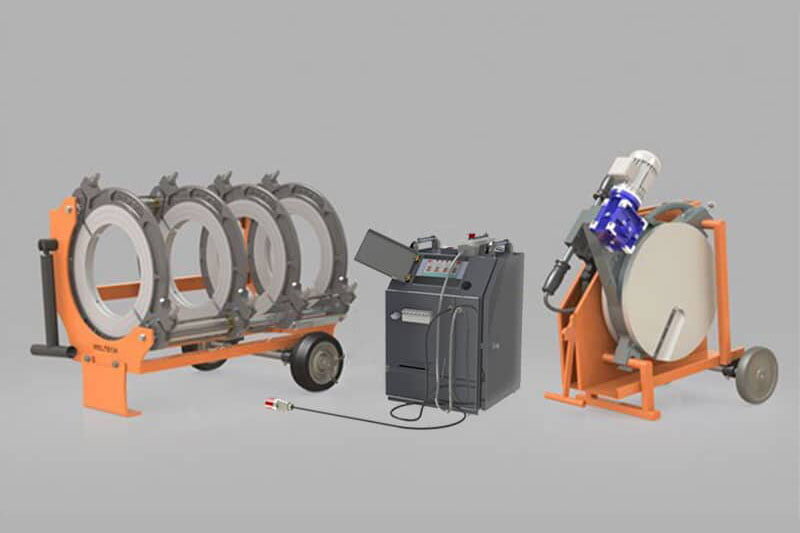
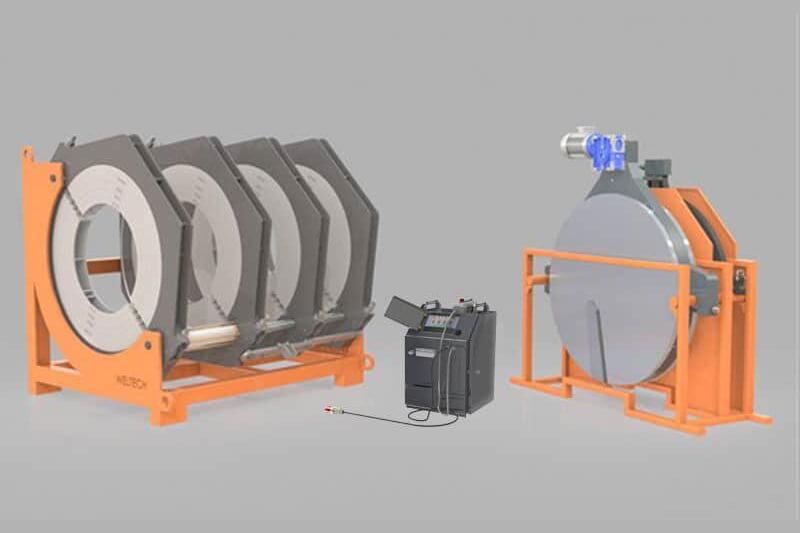
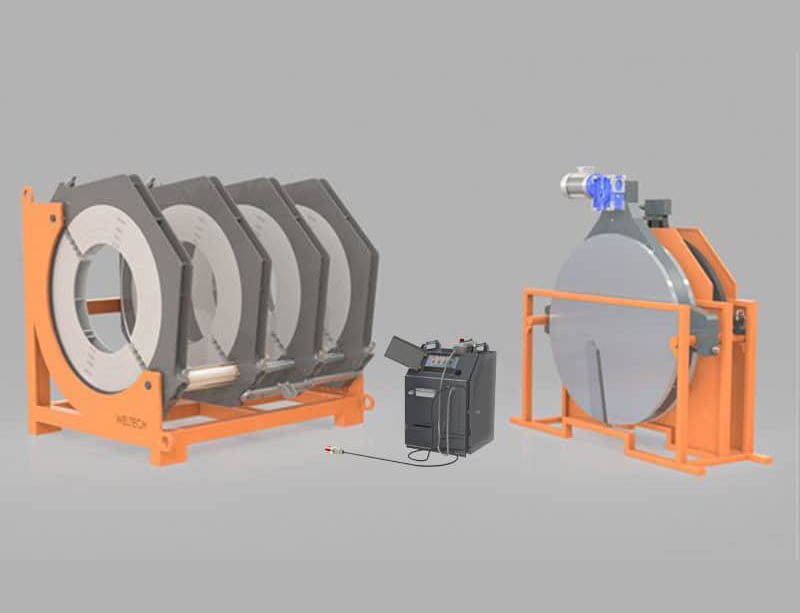
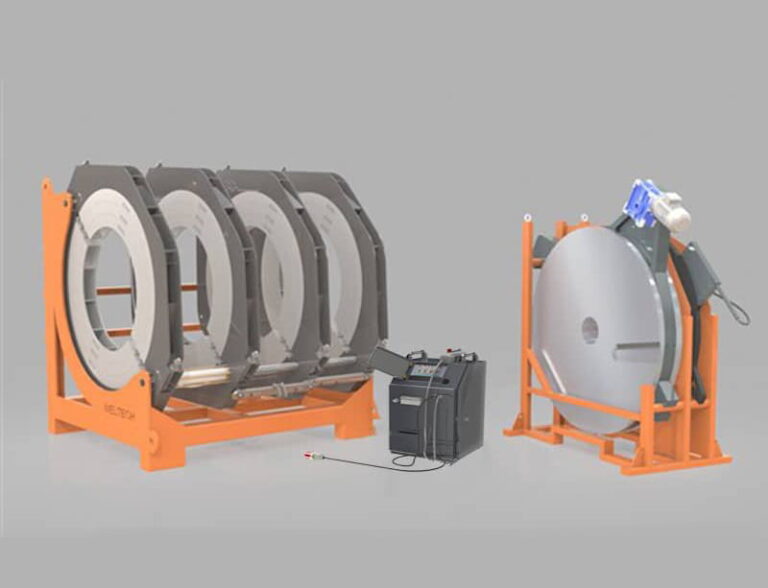
The integration of computer numerical control technology into welding equipment increases precision while reducing human intervention to a minimum. CNC hydraulic butt welding machines, automatically executes each step of the welding cycle according to a predefined profile. All the operator needs to do is ensure the initial alignment between the pipes and give the start command; beyond that, the heating, cooling and joining phases proceed precisely under software control. In this way the same parameter set is applied with full consistency across different operators, different shifts or construction sites in different geographical locations. In practice this means that joint quality along the line is predictable and repeatable; this feature carries a very critical value especially in large and long-term infrastructure projects.
Data Logging and Traceability
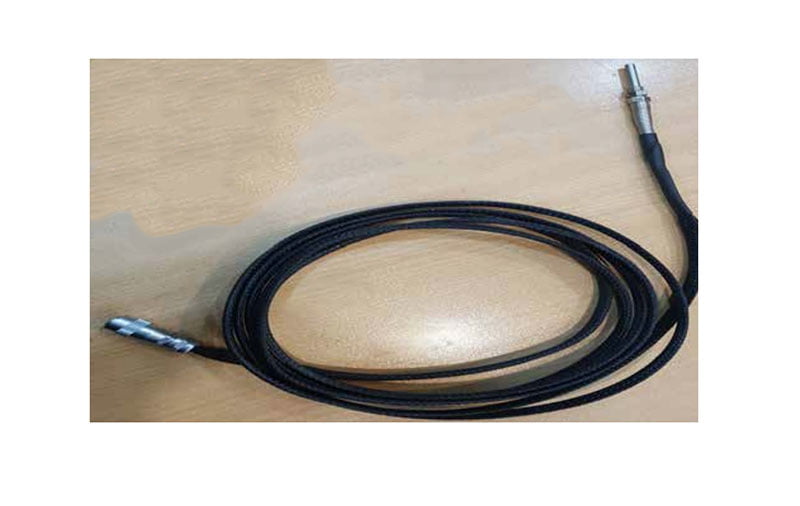
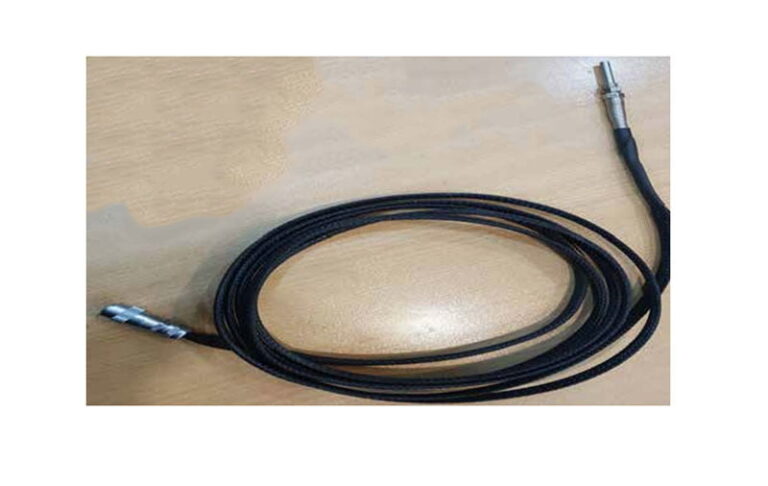
Data logging modules in modern HDPE welding equipment store all parameters of each welding operation with a time stamp. Joining temperature, applied pressure, heating and cooling times, operator identity and, where possible, location information are gathered under a single record. These records can be presented as quality certificates upon project delivery; the welding protocol documents requested by the municipality, energy company or independent inspection body are created in just a few steps. Especially in drinking water, natural gas and petrochemical infrastructure projects, this traceability has now become an integral part of tender conditions rather than merely a distinguishing feature. When a problem arises, the records also make it possible to retrospectively determine which parameter exceeded the critical limit in which joint.
Remote Monitoring and Fleet Management
For construction and infrastructure companies operating simultaneously at multiple construction sites, the possibility of remote monitoring carries great operational value. Data logger solutions and connectivity modules transmit machine status and welding statistics to a central platform, offering managers real-time visibility. Which machine is active, how many welds are performed daily, the parameter compliance rate and possible technical fault signals can be tracked remotely. This information facilitates both preventive maintenance planning and the efficient deployment of equipment fleets according to project requirements. For companies working in remote geographies or with hard-to-access construction sites, this functionality reduces the frequency of field inspections and the associated logistics costs.
Quality Analytics and Process Improvement
Systematically accumulated welding data forms a valuable resource for analyzing quality trends. Questions such as which parameter sets frequently experience deviation, how cycle times differ across pipe diameters, or how specific weather conditions affect weld quality can now be answered in a data-driven manner. These insights feed the continuous improvement cycle: data collection, analysis, corrective action, and re-measurement. In the long term, both the average weld quality rises and the frequency of unrecorded deviations decreases significantly. The direct reflection of this is fewer maintenance interventions throughout the line's lifespan and higher system reliability.
Human-Machine Collaboration and Operator Development
The Industry 4.0 transformation does not eliminate the role of operators; on the contrary, it transforms it qualitatively. While routine parameter tracking and cycle management are delegated to automation, operators can focus on higher-value tasks such as more complex decisions, adaptations to field conditions, equipment health monitoring, and management of unexpected situations. This division of labor enhances both workforce effectiveness and overall process reliability. The real-time feedback that digital interfaces provide to the operator enables inexperienced team members to achieve standard quality targets as well. In the long term, a qualified operator profile compatible with digital tools constitutes a strategic competitive advantage for the company.
Application Scenarios of Digital Welding Technology
- Documented sealing assurance in large-scale urban infrastructure projects
- Traceable pipeline welding in the oil and natural gas sector
- Multi-station production line management in industrial facilities
- Digital welding protocol generation in projects requiring international auditing
- Centralized equipment and quality control at remote construction sites
- Tangible performance measurement in training and certification processes
- Generation of preventive intervention data in maintenance planning
Frequently Asked Questions
Why is data logging important in HDPE welding machines?
Recording welding parameters documents the compliance of each joint with standards. These records serve as a quality certificate upon project delivery, meet audit requirements, and make it possible to retrospectively identify the source of any potential joint issue.
What is the difference between a CNC welding machine and a standard hydraulic welding machine?
In standard hydraulic machines, parameters are manually set and tracked by the operator. In CNC machines, however, the welding cycle is executed automatically under software control; parameters are predefined and each step is monitored by the system. This reduces human error and increases consistency.
Do Industry 4.0 welding equipment require an operator?
Yes, the operator is still a fundamental part of the process. While automation takes over routine parameter tracking, operators focus on high-value tasks such as adapting to field conditions, system supervision, and complex situation management. Digital tools enhance the operator's effectiveness; they do not replace them.
Is it possible to monitor HDPE welding data remotely?
Modern welding equipment equipped with data logging and connectivity modules can transmit welding statistics and machine status to remote monitoring platforms. This way, equipment across multiple construction sites can be centrally tracked.
Which sectors benefit most from digital HDPE welding tracking?
Drinking water and natural gas infrastructure, petrochemicals, energy, mining, and large-scale urban infrastructure projects are among the sectors that benefit most from a traceable welding process. Digital recording is especially critical in projects requiring international auditing or independent quality certification.
The Fortiweld Approach: Reliability Through Technology
The digital transformation in HDPE welding technology has elevated equipment design from purely mechanical reliability to a far more comprehensive engineering discipline. How the data collection infrastructure is established, how parameter tolerances are defined in software, and how practical the user interface is under field conditions are concrete indicators of a machine's Industry 4.0 claim.
CNC control architecture, integrated data logging modules, and user interfaces that enable field teams to easily access instant information should be developed based on the real challenges encountered on-site. The main objective should be not merely to measure, but to continuously improve process reliability based on the measured data.
If you would like to receive technical information about the most suitable digital welding solution for your project or to evaluate your existing equipment infrastructure you can contact the Fortiweld technical team. They will assist you in determining the most suitable technological combination based on your project scope and quality requirements.