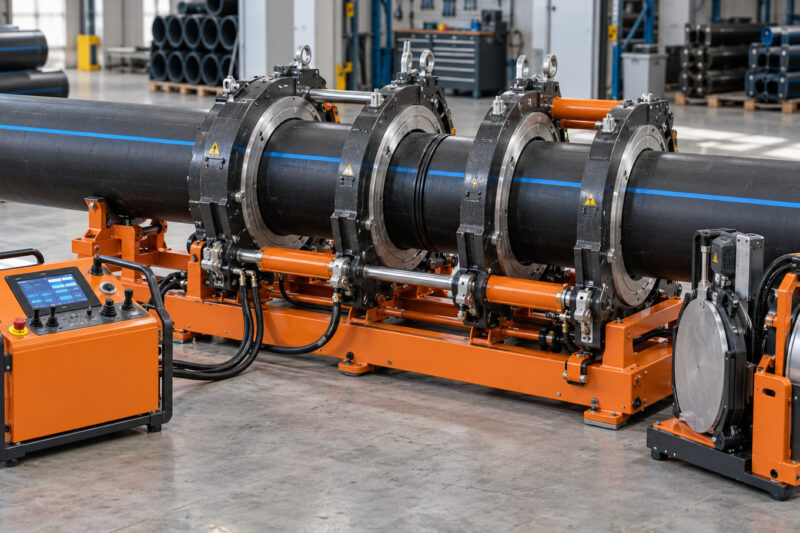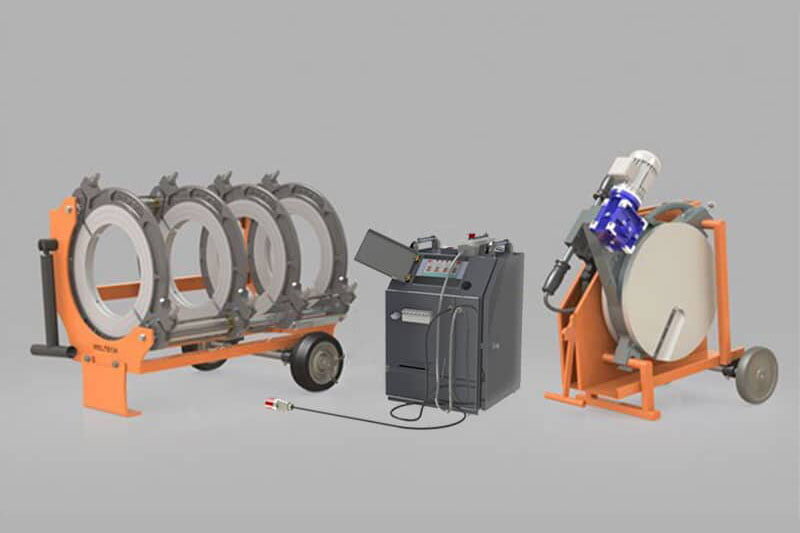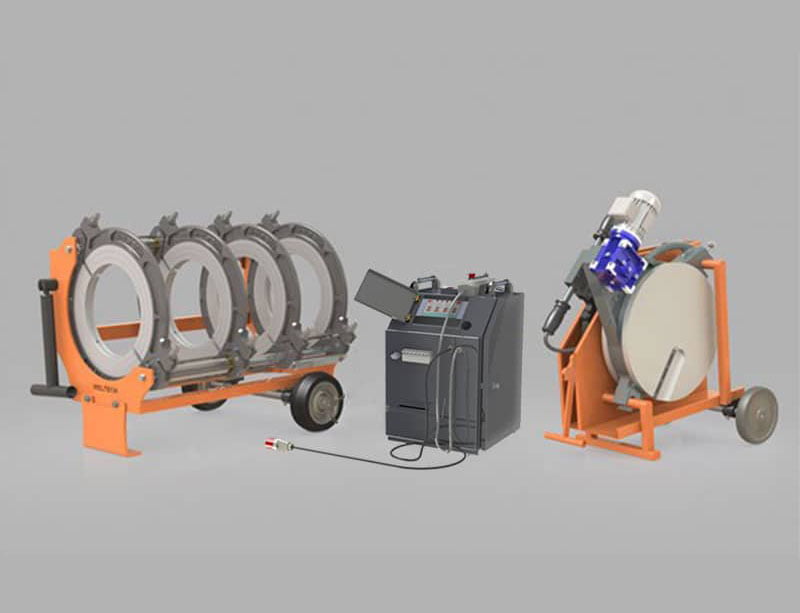
The long service life and leak-tightness of HDPE pipelines largely depend on the correct butt fusion welding machine selection. The butt fusion welding machine is the essential equipment that enables polyethylene pipes to be joined end-to-end in a non-detachable manner; however, the same machine is not suitable for every project. A machine with the wrong capacity or wrong type both reduces welding quality and causes time and cost losses on site. In this guide, we discuss step by step the criteria you should consider when choosing the most suitable butt fusion welding machine for your needs and how the Fortiweld product range responds to these needs.
How Does the Butt Fusion Welding Method Work in Brief?
In the butt fusion welding method, the two pipe ends to be joined are first faced and aligned with a milling cutter; then the surfaces are melted with a heating plate. After the plate is withdrawn, the pipe ends are pressed together under controlled pressure and held stationary until they cool. When applied correctly, the joint reaches the same durability as the pipe itself. Managing this controlled heating–pressure–cooling process reliably depends on the quality of the machine and the correct model selection. Since the quality of the joint cannot always be fully evaluated visually, it is of great importance that the process is applied consistently by the machine.
Butt Fusion Welding or Another Method?
Butt fusion welding is the most commonly preferred method in straight pipe-to-pipe joints and across a wide diameter range. However, in narrow and excavation-limited areas, in the repair of existing lines, or in connections with different geometries electrofusion welding method may be more practical. If you're unsure which method is suitable for your project, we can evaluate your line type and site conditions together to decide on the right solution. The focus of this article is, for straight pipelines, Butt welding machine selection.
Decisive Criteria in Selecting a Butt Welding Machine
When selecting a butt fusion welding machine, evaluating the following items according to your project directly affects both weld quality and field efficiency.
1. Pipe Diameter Range
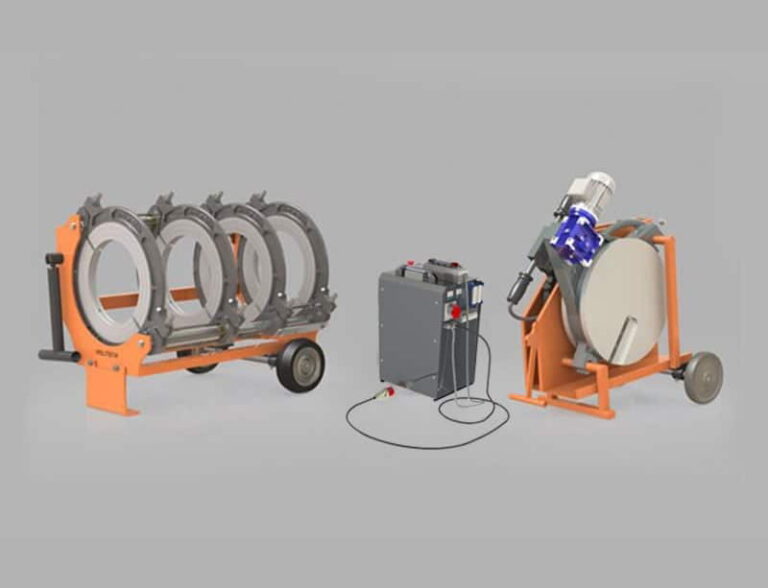
The most decisive factor in selection is the diameter range of the pipes you will weld. Determining the smallest and largest diameters you most frequently encounter on site enables you to choose the correct machine capacity. Fortiweld butt fusion welding machines are offered in different models covering a wide range, from small service lines to large infrastructure pipes; the diameter range supported by each model is specified on the relevant product page.
2. CNC Controlled or Hydraulic/Manual?
CNC-controlled models automatically manage the heating, pressure, and cooling phases and, if desired, generate a welding report. This is a significant advantage for public and infrastructure projects requiring repeatability and traceability. For smaller-diameter and low-volume jobs, a manual hydraulic model can be economical and practical.
3. Hydraulic Pressing System
Machines with hydraulic systems apply the joining pressure via hydraulic cylinders, which provides balanced and consistent pressure especially for medium and large diameters. If you work with large-diameter lines, hydraulic pressure is decisive for a smooth and homogeneous weld.
4. Field or Workshop? Electrical Infrastructure
Whether you will use the machine primarily on-site or in a workshop affects your preference for portability and durability. On sites where grid power is limited, the single-phase supply option makes generator operation easier and provides flexibility.
5. Welding Volume and Operating Speed
If your daily number of welds is high, a high-capacity and fast model enhances workflow continuity and quality consistency. For low-volume, periodic jobs, a more compact solution may be sufficient.
6. Traceability and Reporting Need
If your project requires the documentation of welding records (especially in public and infrastructure works), a CNC-controlled model that can record and report welding parameters should be preferred. Traceability has increasingly become a standard requirement in terms of quality assurance.
Fortiweld Butt Welding Machine Range
Fortiweld offers a wide range of butt fusion welding machines to meet different needs. CNC Hydraulic Butt Welding Machines category is suitable for large infrastructure projects requiring automatic phase management and reporting. Hydraulic Butt Welding Machines category ranges from manual hydraulic models to large-diameter industrial models. Thus, it is possible to find a suitable hdpe butt fusion welding machine at every scale, from small construction sites to large water, gas, and infrastructure lines.
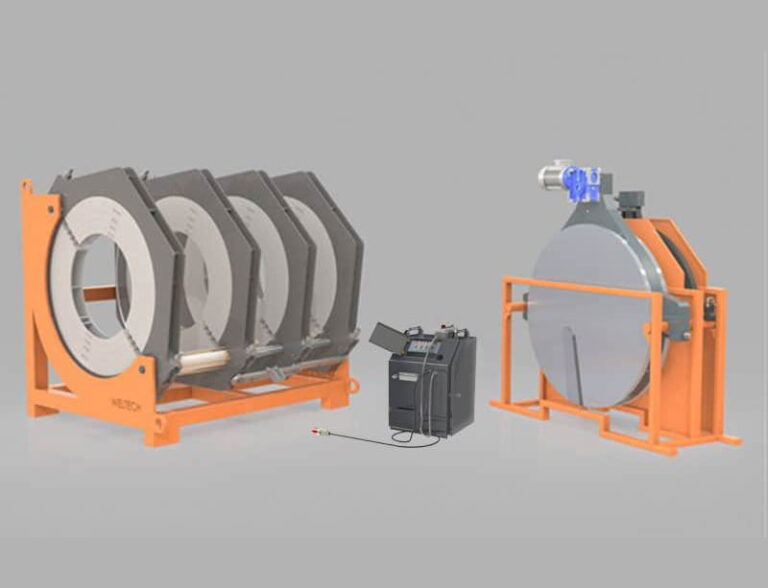
Application Areas of Butt Welding Machines
- Drinking water and infrastructure pipelines
- Natural gas distribution networks
- Wastewater and drainage lines
- Agricultural irrigation and drainage systems
- Industrial process pipelines
- Construction site and field welding applications
Maintenance Tips for a Long-Lasting Machine
Choosing the right machine is important, but using it correctly and performing regular maintenance is just as important for the continuity of weld quality. In general, attention to the following points is recommended:
- Keep the heater plate surface clean and scratch-free; properly clean any residues before each weld.
- Periodically check the hydraulic unit's oil level and hose connections.
- Maintain the sharpness of the planer blades; dull blades will not provide a smooth surface.
- Store the machine in an environment protected from moisture, dust, and impact; have a general check-up performed before the intensive season.
These simple precautions both extend the machine's lifespan and prevent unexpected downtime in the field.
Technical Support for the Right Selection
Correct plastic pipe welding machine selection often depends not on a single criterion, but on the combined evaluation of diameter, site conditions, welding volume, and reporting needs. For example, while a compact model may be sufficient for small service lines, a high-capacity model with reporting capabilities may be required for large-diameter infrastructure projects. If you are unsure, you can share your project details and receive a customized evaluation from the Fortiweld technical team.
Frequently Asked Questions
Which pipes does the butt fusion welding machine join?
Butt welding machines join HDPE/PE100 polyethylene pipes and fittings using the butt fusion method.
What is the difference between the CNC model and the manual hydraulic model?
CNC models automatically manage the heating, pressure, and cooling phases and can generate a welding report; manual hydraulic models are suitable for smaller diameter and economical jobs.
Which diameter range should I select a machine for?
The appropriate model is determined based on the smallest and largest pipe diameter you will weld; the Fortiweld technical team will guide you according to your diameter range.
Is there a model that operates with single-phase electricity?
Yes, on sites where limited grid or generator use is required, models with a single-phase supply option may be preferred.
Can I obtain welding records (reports)?
CNC-controlled models can record and report welding parameters; they are suitable for projects requiring traceability.
Let's Determine the Right Machine Together
Share your project's diameter range, site conditions, and welding volume; let's determine the most suitable butt welding machine together. You can request a quote or technical support from our contact page.