HDPE pipe in water infrastructure projects has become a standard solution in many applications, from drinking water distribution to wastewater conveyance lines, from irrigation to industrial water systems. This preference is no coincidence: the long lifespan of polyethylene pipes, their corrosion resistance, and the zero-leakage performance achieved when properly welded make HDPE unmatched in water networks designed with a lifespan expectancy of decades. However, carrying these advantages into the field depends as much on the quality of the welding equipment as on the pipe itself.
Key Advantages of Using HDPE Pipe in Water Infrastructure
In water conveyance and distribution systems, pipe selection is a strategic decision that affects the entire life cycle of the project. Looking only at the initial installation cost can be misleading; the real calculation should be made based on the total cost of ownership, which also includes operation, maintenance, and renewal costs. HDPE presents a strong profile in this assessment:
- Suitability for drinking: In drinking water applications, the fundamental requirement is that the pipe material does not leave any chemical residue in the water. HDPE pipes manufactured in accordance with standards are considered reliable in this regard; it is necessary to confirm with the supplier whether the products carry the relevant conformity certificates.
- Resistance to corrosion and abrasion: The internal surface wear and biological buildup seen in steel, cast iron, or concrete pipes cause far fewer problems in HDPE; this prevents flow loss in the long term and reduces water losses.
- Flexible structure: It maintains its shape by flexing against external forces such as ground movements, traffic load, or small-scale seismic activity. Under conditions where rigid pipe systems crack, HDPE can preserve its form integrity.
- Welding integrity: Butt fusion or electrofusion connections made with the correct method behave as a single piece with the main pipe material; the leakage risks created by mechanical connection points such as flanges or gaskets are eliminated.
- Low maintenance cost: Reduced corrosion, biological buildup, and mechanical connection problems significantly lower operating expenses over the long term. This difference becomes especially evident in network renewal projects.
Welding Methods Used in Water Line Projects
Two basic methods are applied when joining HDPE pipes to each other or to fittings. Which method is chosen is determined by the pipe diameter, line length, the nature of the working space, and the project specification. Both methods can be used together at different stages of the same project.
Butt Fusion
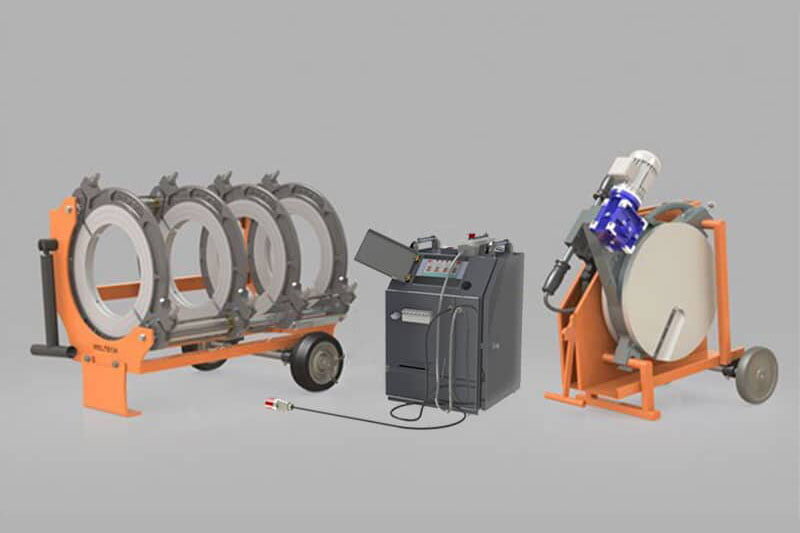
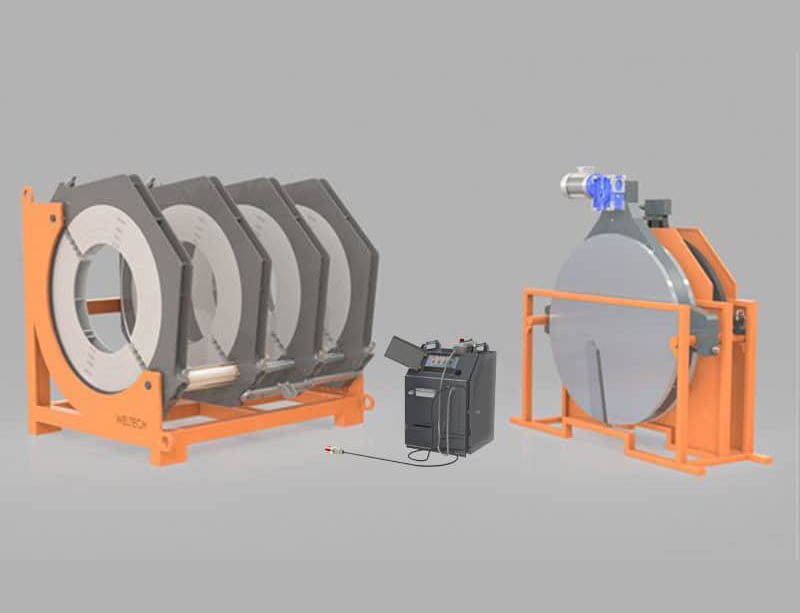
In large-diameter main transmission lines and long-distance distribution pipe laying, butt welding is the most commonly preferred joining method. The process is carried out by bringing the pipe ends to a specific temperature with a special heating plate and then joining them under controlled pressure. Once cooling is complete, the two pipe ends become a single, homogeneous piece exhibiting mechanical properties identical to the base material.
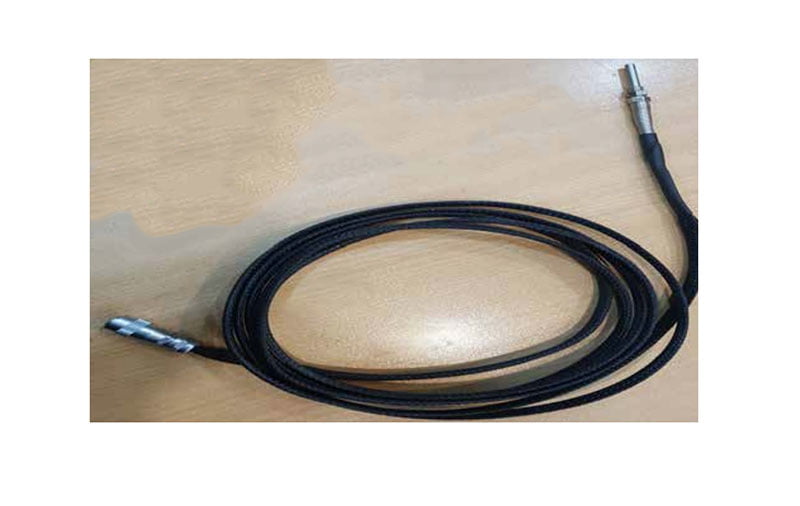
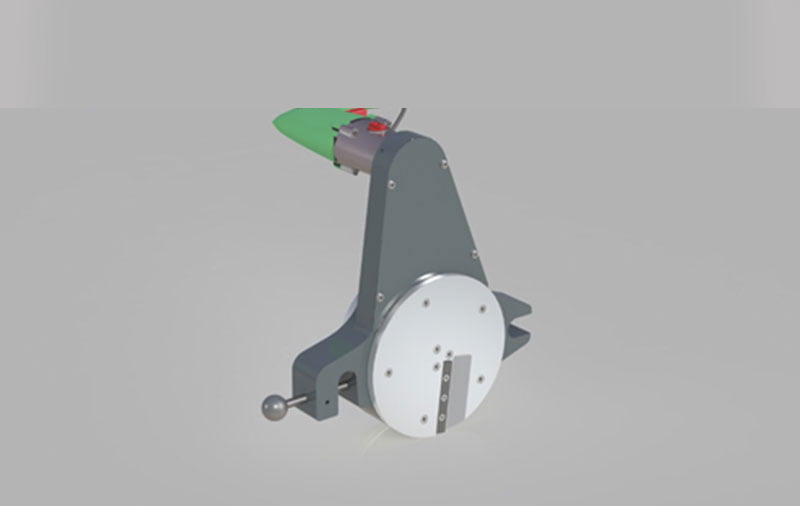
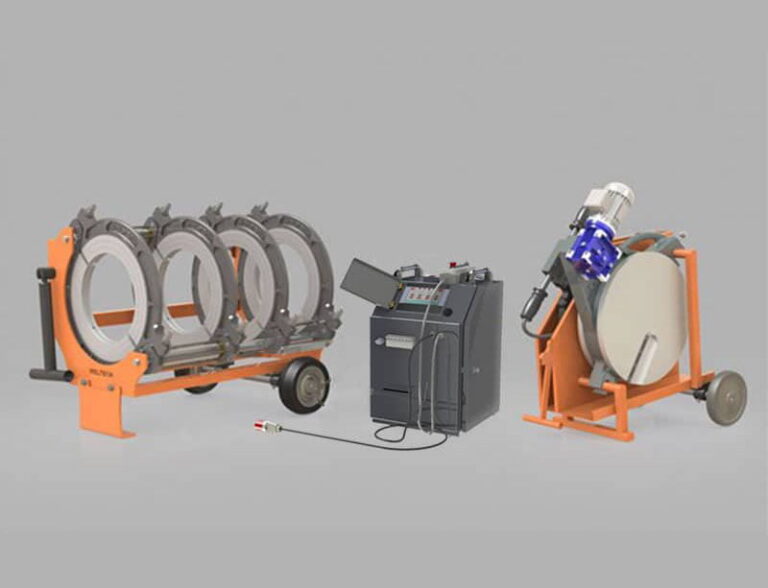
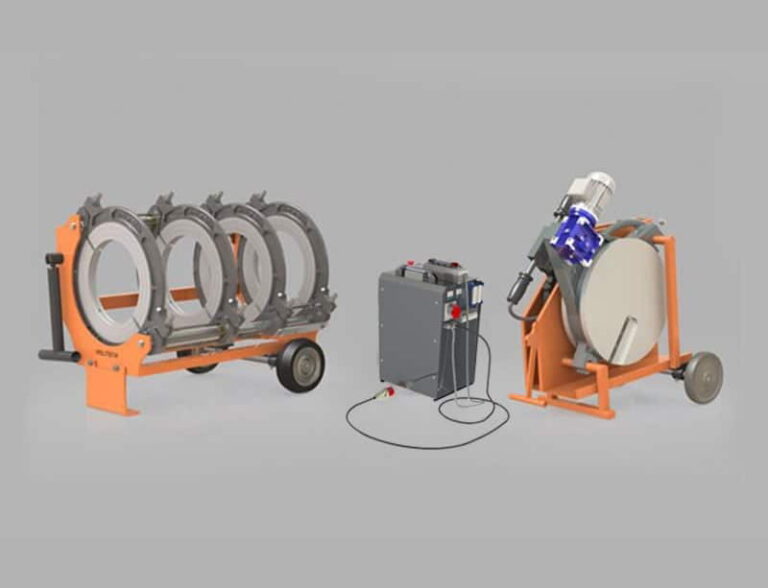
The reliability of this method depends directly on the precision of the equipment's pressure and temperature control. Under real field conditions — different pipe diameters, changing weather, intense work pace — providing this precision consistently is only possible with quality equipment. Fortiweld hydraulic butt welding machines, is designed to deliver the consistent performance required in all HDPE infrastructure works, including water projects.
Electrofusion Welding
At connections to existing lines, branch take-offs, repair fittings, and points requiring limited working space, the electrofusion method stands out. The electric current applied to the resistance wire inside the electrofusion fitting melts and fuses the fitting and the pipe together. The result is a homogeneous joint offering far greater leak-tightness assurance compared to mechanical connections.
When connecting to an existing line in urban infrastructure renewal projects or when working in narrow trenches, the practicality of the electrofusion method becomes decisive. Fortiweld electrofusion welding machines, reduce operator dependency with automatic welding parameter control and data logger support; they directly contribute to project traceability.
Points to Consider in Drinking Water and Wastewater Lines
In drinking water distribution systems, hygiene and chemical compatibility requirements come to the forefront in the selection of pipes and fittings. In wastewater conveyance systems, different classes may be preferred according to the chemical structure of the transported fluid, pressure conditions, and pipe diameter. In both applications, the pipe class (SDR value) and fitting type to be used require engineering calculation on a project basis; giving a general standard value can be misleading.
To determine the product specification suitable for your project, you can refer to the technical data information on the Fortiweld product pages or request support directly from our technical team.
Why Is Welding Quality So Important in a Water Project?
Water losses continue to be one of the biggest problems for network operators worldwide. A significant portion of leaks originates not from newly laid lines but from old or inadequately made connection points. A micro-leak at a weld point may go undetected in the first years; however, over time it disrupts the soil structure around the pipe, paving the way for much larger failures.
For this reason, in water projects, weld quality is not a cost item that can be overlooked at the outset; it is a critical investment factor that directly determines the lifespan of the network and the water loss rate. Quality welding equipment, a trained operator, and regular calibration this trio should be a fundamental component of every water infrastructure project.
Frequently Asked Questions
Is HDPE pipe safe in terms of health for drinking water lines?
HDPE pipes are considered safe for drinking water applications when manufactured under the relevant international standards. It is recommended that you confirm with your supplier whether the pipe to be used carries a certificate of suitability for drinking water applications.
Should butt fusion or electrofusion be preferred in a water line project?
In large-diameter main lines and long-distance laying, butt welding is advantageous in terms of efficiency. For connecting to an existing line, branch take-off, or repair points in confined spaces, electrofusion provides a more practical and reliable result. In many projects, both methods are applied together.
Is HDPE pipe legally accepted in municipal water projects?
In our country, the use of HDPE pipes is widely accepted in municipal and public water infrastructure projects. Nevertheless, each project should be evaluated according to the relevant legislation and specification requirements; it is recommended that current standards be checked in project engineering.
How is welding quality checked in a water line?
Weld quality is inspected through visual inspection, dimensional control, and, when necessary, destructive or non-destructive testing methods. Data logger-supported welding machines digitally record the parameters of each weld, strengthening project documentation and facilitating audit processes.
For which diameter range of water pipes does Fortiweld offer welding equipment?
The Fortiweld product range covers a wide spectrum from small-diameter distribution lines to large-diameter transmission pipes. To select the right equipment according to the diameter and capacity required by your project, you can review our product pages or contact our technical team.
Welding Equipment Selection in Large-Scale Water Projects
In large-volume projects such as municipal water network renewal, new transmission line laying, or agricultural irrigation infrastructure, the selection of welding equipment directly affects overall project efficiency. The main criteria to consider in equipment planning are as follows:
- Pipe diameter range: Machine capacity suitable for the minimum and maximum diameters to be used in the project
- Daily welding capacity: Production speed sufficient for the project work schedule and, if applicable, the need for multiple crews
- Data logger integration: The requirement to record welding data in public tenders is becoming widespread; this requirement should be questioned during the tender process and equipment should be selected accordingly
- Portability and field durability: Suitability for long-term use in open terrain and under varying climatic conditions
- Technical support and spare parts availability: Rapid response to field failures is critical for maintaining the project schedule
Fortiweld offers equipment solutions tailored to the project scale, with the wide diameter range and various capacity options required by water infrastructure projects. To determine the most suitable equipment combination for your project contact our technical team.