Choosing an electrofusion fitting is one of the most decisive decisions for the long-lasting and leak-proof operation of a piping system. An incorrectly selected or improperly installed fitting can lead to costly repairs and system downtime. In this guide, we cover the critical points to consider for choosing the right fitting.
The Role of Electrofusion Fittings in the Piping System
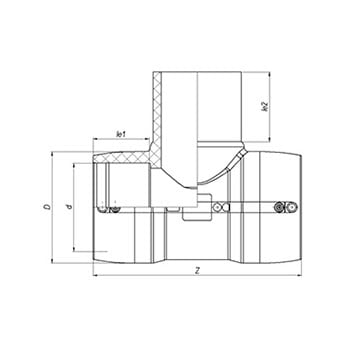
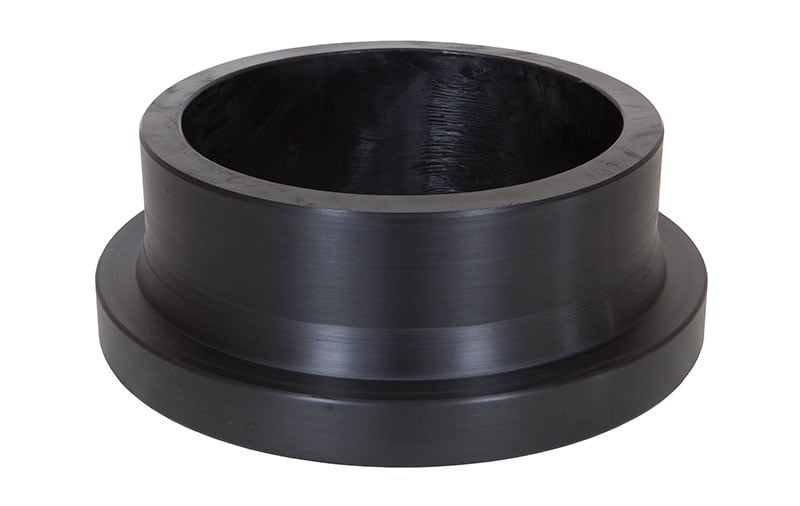
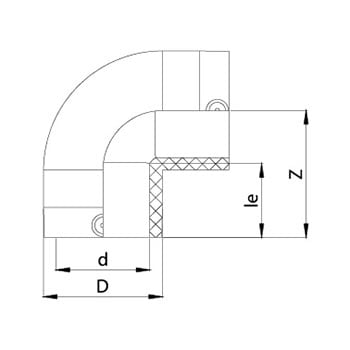
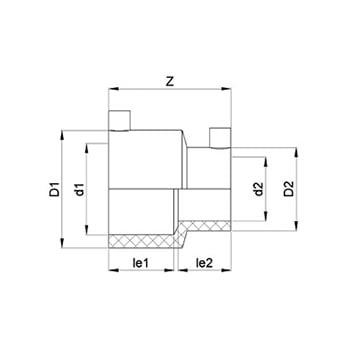
Electrofusion fittings are produced in various geometries such as couplers, elbows, T-connections (saddles), caps, and reducers. Each serves a specific function at different points of the pipeline: extending the line, changing direction, making a diameter transition, or repairing a damaged section. The copper resistance wire embedded in the inner surface of these parts heats up with the current from the electrofusion welding machine and fuses with the polyethylene pipe surfaces at the molecular level. The result is a joint point with strength equal to the pipe.
The correct selection and proper installation of HDPE electrofusion fittings are prerequisites for achieving this high-quality joint. To review the available Fortiweld fitting models, our HDPE electrofusion fittings category you can visit.
Criteria to Consider in Selection
Diameter and SDR Compatibility
The nominal diameter of the electrofusion fitting must be compatible with the outer diameter of the pipe it will be connected to. Since pipes in different SDR (standard dimension ratio) series have different wall thicknesses, even if they have the same nominal diameter value, a perfect fit with the internal geometry of the fitting may not be achieved. This directly affects welding quality. We recommend confirming diameter and SDR compatibility on the product page or with our technical team.
Material Class and Raw Material Quality
Fittings produced with HDPE100+ raw material offer improved notch resistance and long-term hydrostatic strength compared to standard PE 100 products. Correctly determining the material class is critically important, especially in natural gas transmission lines, main drinking water transmission lines, and pipe systems exposed to mechanical loads. The raw material code and manufacturer certification on the fitting are the main references on this matter.
Compliance with Standards and Certification
Documents showing that the fittings to be used comply with the relevant national and international standards may be mandatory, especially in public tenders and audited projects. Requesting product test reports and declarations of conformity from your supplier will facilitate inspection processes in later stages.
Barcode and Welding Parameter Labels
High-quality electrofusion fittings have a barcode or data matrix on them. This code enables the electrofusion welding machine to automatically read the current time and cooling time parameters specific to the fitting. Fittings without labels, that are damaged, or cannot be identified should be avoided; if parameters are entered manually, the manufacturer's technical data must be strictly followed.
Proper Installation Preparation
Surface Cleaning and Scraping Process
The success of electrofusion welding largely depends on surface preparation. The oxidation layer, dust, grease, and moisture on the outer surface of the pipe prevent molecular fusion. The section to be welded should be stripped to a certain depth with a special scraping tool, then degreased with a suitable cleaner. The stripped surface should not be touched by hand.
Alignment and Fixing
During welding, it is essential that the pipe and fitting remain aligned on the axis and motionless. Fixing devices or alignment clips are used for this purpose. Any movement during welding or the cooling process may impair the quality of the joint.
Environmental Conditions
Strong wind, excessive humidity, or low temperature may adversely affect welding quality. Under these conditions, protective measures such as using a tent, windbreak, or heater should be taken. For exact limit values, it is recommended to refer to the fitting manufacturer's technical documents and the electrofusion machine's user manual.
To get information about the appropriate machine model, our electrofusion welding machines page you can review.
Which Type of Fitting Is Used in Which Situation?
- Coupler (straight connector): It is used to join two pipes of the same diameter or to bridge a damaged section with a repair piece.
- Elbow (90° or 45°): It is preferred at points where a change of direction is required in the pipeline. It is ideal when creating a pipe route in narrow spaces or around fixed obstacles.
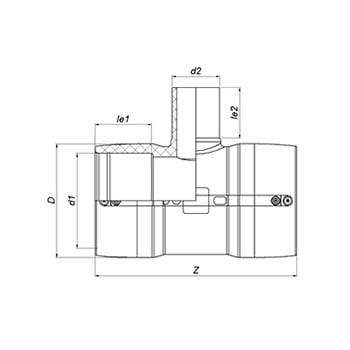
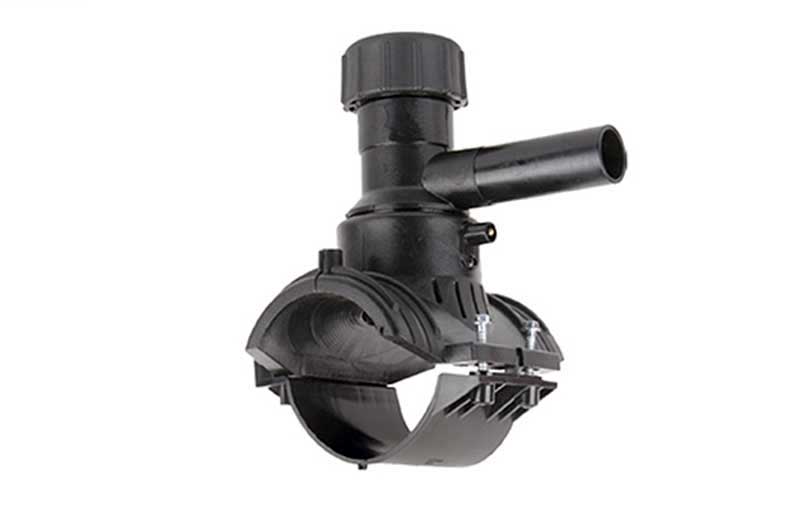
- Equal tee or reducing tee (saddle): It is used when a branch needs to be taken from the main line. It allows a connection to be made by drilling a hole in an existing line.
- Reducing coupler: It is preferred when pipes of different diameters need to be joined; it provides a leak-tight connection at diameter transition points.
- Cap (end cap): It is used to terminate the pipeline or to close it temporarily.
Final Checklist for the Right Selection
Before completing your electrofusion fitting selection, answering the following questions will minimize the risk of errors:
- Has the pipe outer diameter and SDR value been verified?
- Is the raw material grade (PE 100 / HDPE100+) compliant with the project specification?
- Is the barcode label on the fitting in readable condition?
- Has the certificate of compliance with standards been obtained?
- Are the surface preparation materials ready before welding (scraper, cleaner, fixing device)?
To get support regarding fitting selection or technical compatibility, from our contact page you can contact our technical team.
Frequently Asked Questions
Which pipe diameters are HDPE electrofusion fittings compatible with?
Electrofusion fittings are manufactured to cover a wide range of diameters. It is recommended that you review the product page or consult our technical team for the specific diameter range and SDR compatibility; incorrect matching negatively affects weld quality.
What is the difference between an electrofusion fitting and an injection fitting?
Electrofusion fittings fuse to the pipe surface by means of electric current through the resistance wire embedded in their inner surfaces; no mechanical connection is required. Injection fittings, on the other hand, are connected by compression or screw mechanisms and are intended for different application conditions. Do not hesitate to ask our technical team which type is suitable for your project.
What should I do if the barcode on the fitting is unreadable?
If the barcode cannot be read or the label is damaged, you must obtain the welding parameters (fusion time, cooling time) from the manufacturer's technical documents and enter them manually into the machine. It is recommended to avoid using fittings with damaged labels for critical lines.
Can electrofusion welding be performed in cold weather?
Low temperatures may affect weld quality. Specific temperature limits are stated in the technical documents of the fitting and machine manufacturer. In cold weather, measures such as wind protection and preheating can be applied; however, you need to review the technical documents for exact limits.
Do electrofusion fittings have a shelf life?
Polyethylene fittings may degrade over time when exposed to external factors such as UV light and ozone. Compliance with the storage conditions specified by the manufacturer (dry, cool, dark environment; stored in original packaging) extends shelf life. Please refer to the product technical sheet or our technical team for storage duration and conditions.
Frequently Asked Questions