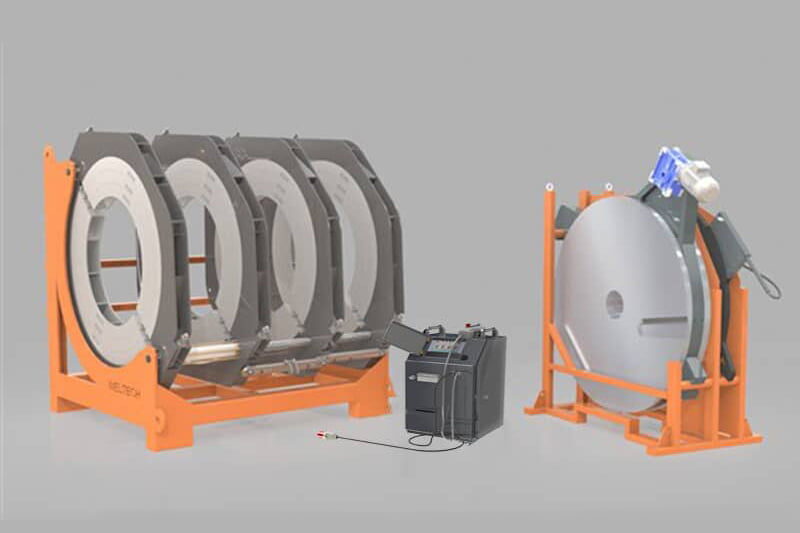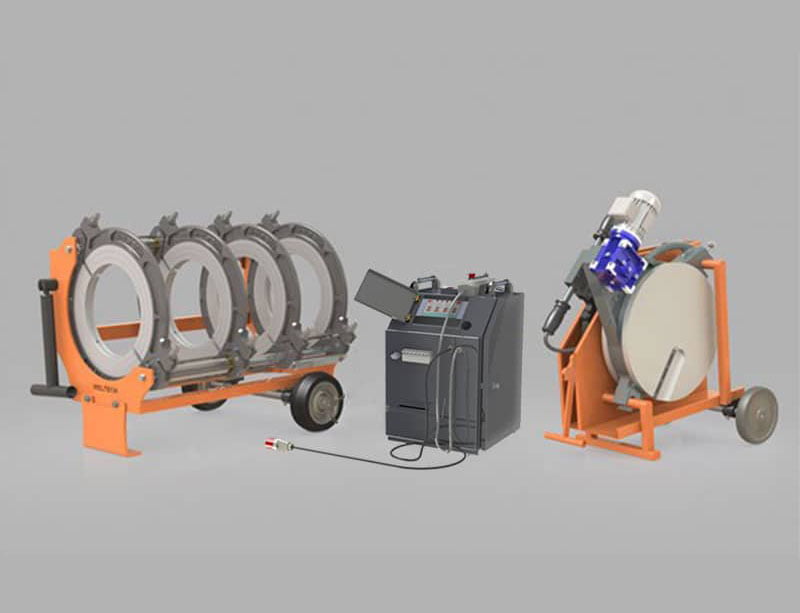
Butt welding machine, is an industrial equipment that permanently joins thermoplastic pipes and fittings through controlled pressure applied to the surface with heat. Especially in HDPE (high-density polyethylene) infrastructure projects, this method directly determines the integrity and long-term performance of the piping system.
How Does the Butt Fusion Method Work?
The butt fusion welding method is based on first flattening and cleaning the two pipe ends to be joined, then bringing them into contact with a heating plate for a certain period, and in the final stage removing the plate and pressing the pipe ends together. When carried out correctly, the welded area achieves a structure as durable as, or even stronger than, the pipe wall.
The success of this process largely depends on how consistently the heating time, surface contact quality, and applied pressure can be controlled by the machine. Therefore, machine selection is not a decision to be made randomly.
It should also be noted that butt fusion and electrofusion welding methods are often used not as alternatives to each other, but as complementary applications. While butt fusion is preferred for large-diameter straight line connections, the electrofusion method comes into play at points where threaded joints, T-connections, or pipe additions to fixed structures are required. In projects where both methods are used together, suitable equipment for each is kept ready on site.
Why Is Butt Fusion Preferred for HDPE Pipes?
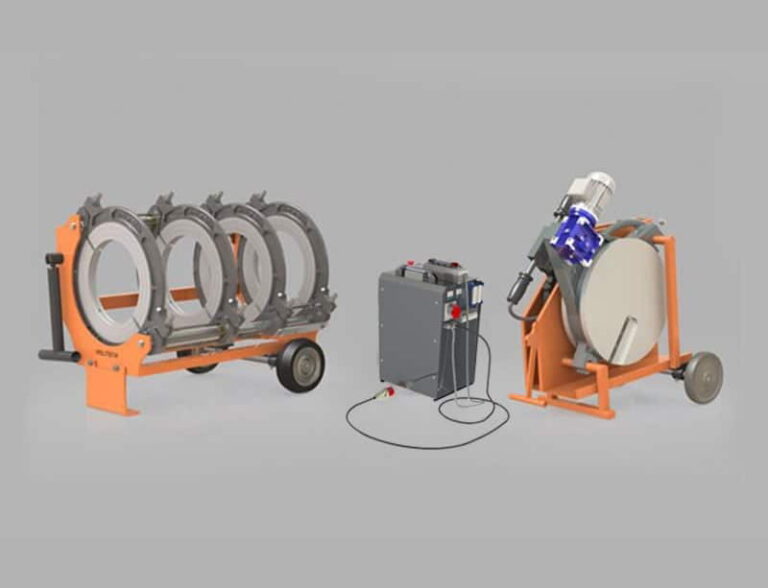
Although there are various methods for polyethylene pipe welding, butt fusion has become the preferred choice for large-diameter lines, high-pressure systems, and long installation distances. There are several main reasons for this:
- High joint strength: When applied correctly, the weld line exhibits mechanical properties equivalent to the pipe body.
- Leak-proof connection: No gasket or adhesive is used at the connection points; this reduces the maintenance burden in the long term.
- Wide diameter range: Applicable with different machine models, from small-diameter distribution lines to large-diameter main pipelines.
- Chemical resistance: The HDPE100+ material class ensures the pipeline operates safely in corrosive environments; the weld zone does not compromise this resistance.
- Long service life: With a quality welding application, a service life parallel to the total lifespan of the pipe system is achieved.
Key Criteria in Choosing the Right Machine
Diameter and Wall Thickness Compatibility
The first step in machine selection is determining the pipe diameter range to be used in the project. Each butt welding machine model is designed for a specific diameter range. Fortiweld’s hydraulic butt welding machines are categorized according to different pipe diameters, and it is recommended that you determine the appropriate model together with the technical team in line with your project's pipe diameter requirements.
Hydraulic or CNC?
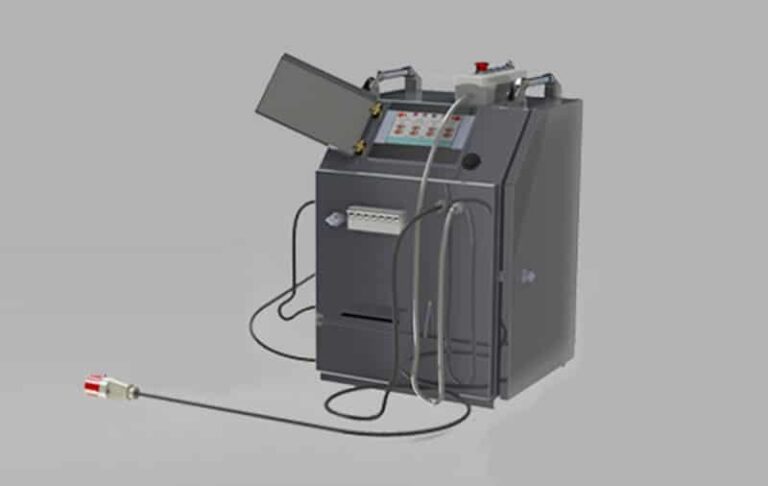
For teams working in field conditions, standard hydraulic models offer a powerful and portable solution. In contrast, in large infrastructure tenders requiring process records, in projects where quality certification is requested, or in applications with high repetition counts, CNC hydraulic butt welding machines stands out. CNC control parameterizes the process, minimizing the margin of human error and making the data for each welding operation reportable.
Power Source and Site Conditions
The electrical infrastructure of the project location directly affects the choice between single-phase and three-phase. In out-of-town or early-stage construction sites, generator-compatible models are critically important. The technical details on this matter are specified on the product pages; for need-specific configuration, it is recommended to consult the technical team.
Service and Spare Parts Availability
When the machine enters the site, uninterrupted operation is expected. For long-term projects, spare parts supply time and access to technical service are factors that directly affect total cost and schedule planning.
In Which Industries Is It Used?
- Drinking water and sewer networks
- Natural gas distribution and transmission lines
- Agricultural irrigation systems
- Industrial process pipelines
- Mining and wastewater infrastructures
- Energy and telecommunications cable ducts
- Marine discharge and breakwater projects
Using Electrofusion and Butt Fusion Together
In many large infrastructure projects, both welding methods are used together. While butt welding is preferred for large-diameter straight lines, the electrofusion method comes into play at T-connections and at points where pipes need to be added to a fixed structure. Fortiweld’s electrofusion welding machines can also be supplied under the same technical support infrastructure as butt welding machines.
Frequently Asked Questions
Which pipe materials can a butt fusion welding machine be used with?
The butt welding method can be applied primarily with HDPE (PE80, PE100, HDPE100+) as well as PP, PVDF, and similar thermoplastic pipe materials. The most common area of use is HDPE pipe systems.
What is the main difference between butt fusion and electrofusion welding?
Butt welding directly joins pipe ends with heat and pressure; it does not require a fitting. Electrofusion welding, on the other hand, uses a special coupler or fitting with embedded resistance wire. The situations in which each method is preferred vary according to project conditions.
Who can perform the welding process?
Butt welding operations must be carried out by authorized and trained operators. In many projects, welding certification is mandatory; you can get support from our technical team regarding machine supply and operator training.
Is a separate machine model required for very small or very large diameters?
Yes. Each machine model is designed for a specific diameter range. You can contact the Fortiweld technical team to receive a suitable model recommendation by specifying the pipe diameter to be used in your project.
Can the machine operate on site when there is no electricity?
Some Fortiweld models can be configured to be generator-compatible. Field electrical infrastructure and power supply requirements are specified on the product page; it is recommended to consult the technical team for special configuration.
Choosing the Right Machine Forms the Foundation of the Project
Butt welding can become the weakest link of the pipeline when applied with incorrect parameters or low-quality equipment. However, when combined with the right machine selection, suitable operating conditions, and expert operators, it results in a piping system that will provide trouble-free service for decades.
Fortiweld responds to the real needs from the field with its wide machine portfolio and technical support service for HDPE infrastructure projects. To determine the butt welding machine best suited to your project's requirements, contact our technical team; you will receive a prompt response for quotations and consultancy.